
 English
 عربى
عربى Español
 русский
 中文简体
中文简体






Tetanus is a serious infectious disease caused by Clostridium tetani, a bacterium widely found in soil, dust, and animal feces. Not all wounds require a tetanus shot; vaccination depends on a comprehensive assessment of the wound type and the individual's immune status.
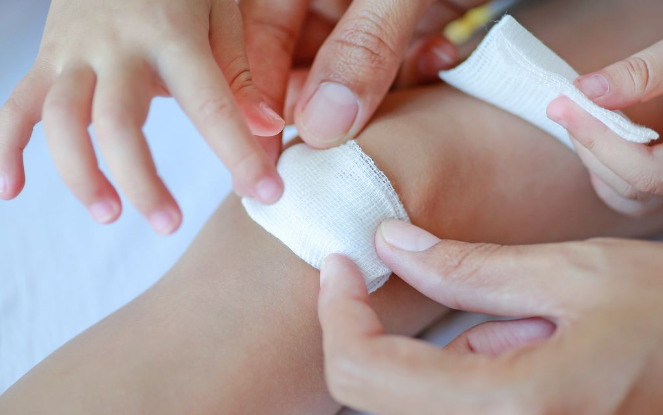
Necessary conditions for tetanus infection :
Clostridium tetani is an anaerobic bacterium that thrives only in anaerobic environments. Small, deep wounds are most likely to create such an environment. Contamination of wounds with soil, feces, or saliva increases the risk of infection. Wounds with abundant necrotic tissue provide ideal conditions for bacterial growth. Delayed or improper treatment after injury can increase the probability of infection. Patients with weakened immune systems are at higher risk.
High-risk wound types requiring vaccination :
Wounds contaminated with mud, feces, or saliva, especially deep puncture wounds. Deep, narrow wounds caused by rusty nails, splinters, or glass shards. Extensive burns or frostbite with tissue necrosis. Animal bites or scratches, especially from wild animals. Crush injuries causing severe tissue damage or ischemia. Wounds with foreign bodies that cannot be completely removed. Trauma caused by unsterilized instruments, such as self-treated wounds. Reinjury or contamination of old wounds. Wounds occurring in the wild or in agricultural environments.
Immunization history to be evaluated :
Whether or not primary immunization has been completed is an important consideration. The routine immunization schedule for children in my country includes the DPT (diphtheria, pertussis, tetanus) vaccine. Adults who complete the full vaccination schedule during childhood generally have protection for about 10 years. The timing of the final booster dose determines whether revaccination is needed. Those who have never been vaccinated or whose vaccination history is unclear are at the highest risk. Certain professions, such as military personnel and construction workers, may have stricter vaccination requirements.
Specific vaccination decision-making process :
For clean, small wounds, if the patient has received a booster shot within the past ten years, further vaccination is usually unnecessary. For any contaminated wound, if the patient has not received a booster shot for more than five years, immediate vaccination is recommended. For severely contaminated wounds or deep injuries, if the patient has not been vaccinated for more than five years, tetanus immunoglobulin may be required in addition to the tetanus vaccine. For those who have never been vaccinated or whose vaccination history is unknown, full immunization is recommended for any wound. Special populations such as the elderly and diabetic patients require a more proactive approach.
Precautions for wound treatment at the scene :
Immediately wash the wound with plenty of running water and soap. Squeeze out as much blood and contaminants as possible from the wound. Disinfect with an antiseptic such as povidone-iodine. Do not use traditional methods to stop the bleeding, such as applying mud or tobacco. For deep, small wounds, do not attempt to suture them closed. Seek professional medical attention promptly. Record the time of injury, the surrounding environment, and the characteristics of the wound.
Vaccination window :
Tetanus vaccination is best done as early as possible, ideally within 24 hours of injury. Even if more than 24 hours have passed, vaccination is still recommended as long as tetanus symptoms have not yet appeared. For high-risk wounds, vaccination should be administered even several days after the injury. Immunoglobulin should be injected as soon as possible after injury, preferably no later than 72 hours.
Precautions for special populations :
Children should complete their basic vaccinations according to the national immunization program. Elderly individuals with weakened immune systems may require more frequent booster vaccinations. Diabetic patients have slower wound healing and a higher risk of infection, so proactive preventative measures are necessary. Vaccination of pregnant women requires a risk-benefit analysis, but the tetanus toxoid vaccine is generally safe. Individualized assessment is required for immunocompromised individuals.
Observe carefully after vaccination :
Redness, swelling, and pain may occur at the injection site, which usually subsides on its own within 1-2 days. A small number of people may experience systemic reactions such as low-grade fever and fatigue. Severe allergic reactions are rare, but symptoms such as difficulty breathing should be noted. The date of vaccination should be recorded after completion for future reference. Even after vaccination, close monitoring of the wound is necessary.
The key to tetanus prevention lies in proper wound care and timely immunization. An appropriate vaccination decision can be made by assessing wound characteristics and an individual's immunization history. Prevention is more important than treatment after onset, as tetanus is difficult to treat and has a high mortality rate once it develops. When unsure whether vaccination is necessary, consulting a professional physician is the safest option. For more information on Innomed® Silicone Foam Dressing Sacrum , please refer to the previous articles. If you have customized needs, you are welcome to contact us; you wholeheartedly. At long-term medical, we transform this data by innovating and developing products that make life easier for those who need loving care.
Editor: kiki Jia


