 English
 عربى
عربى Español
 русский
 中文简体
中文简体




What should I do if the stitches crack after removal?
f the wound reopens after suture removal, medically termed incision dehiscence, there are two types. One is a superficial tear between the epidermis and dermis, resulting in a smal...
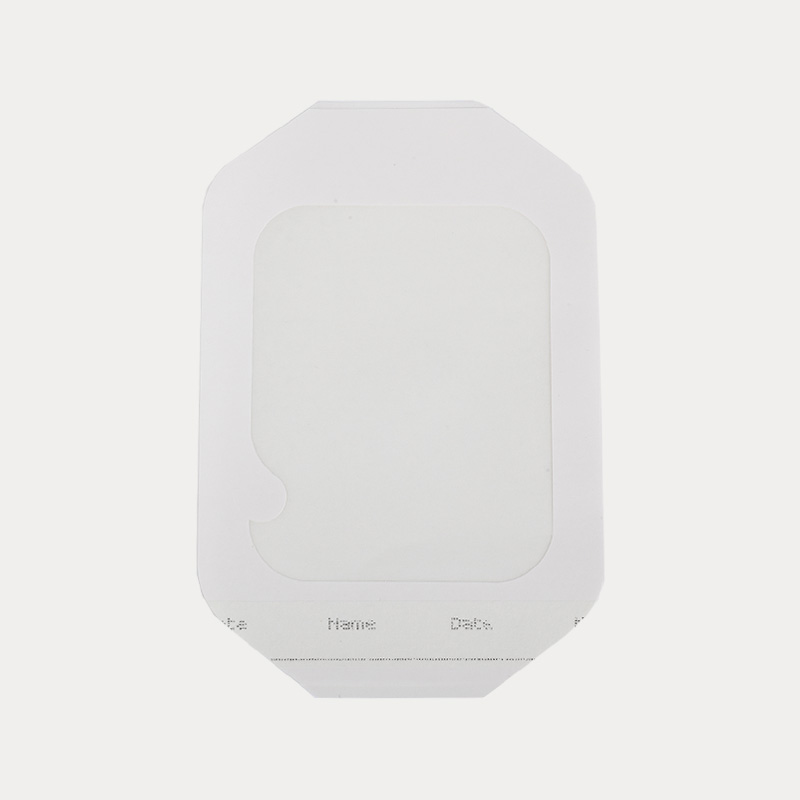
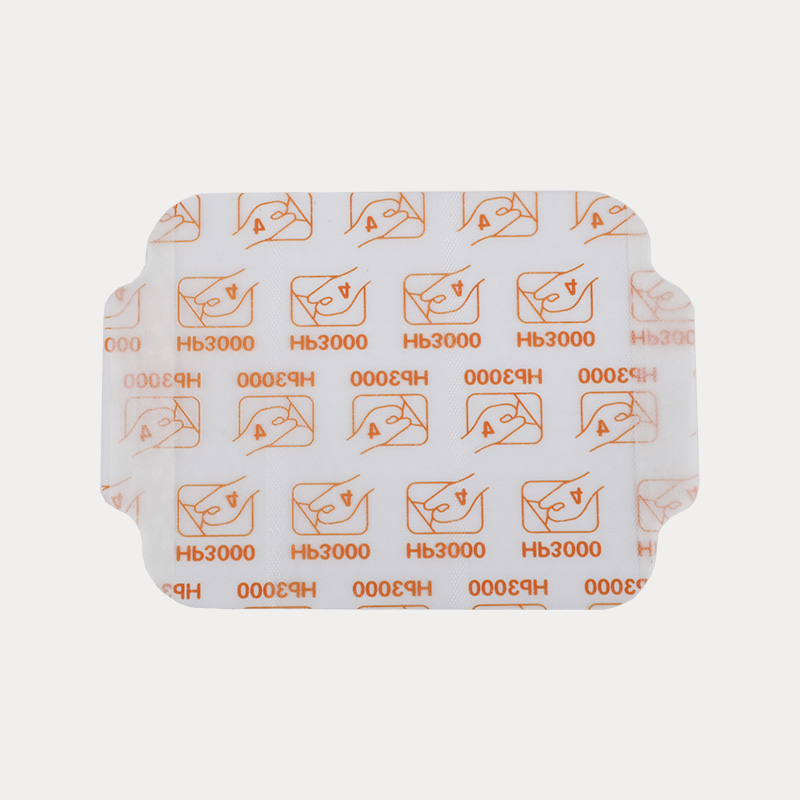
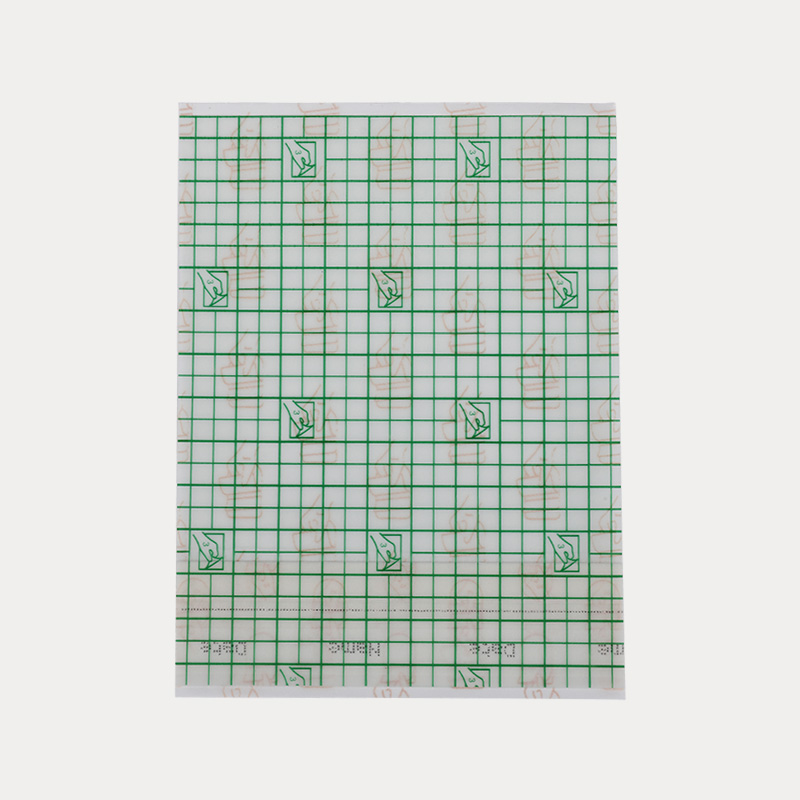
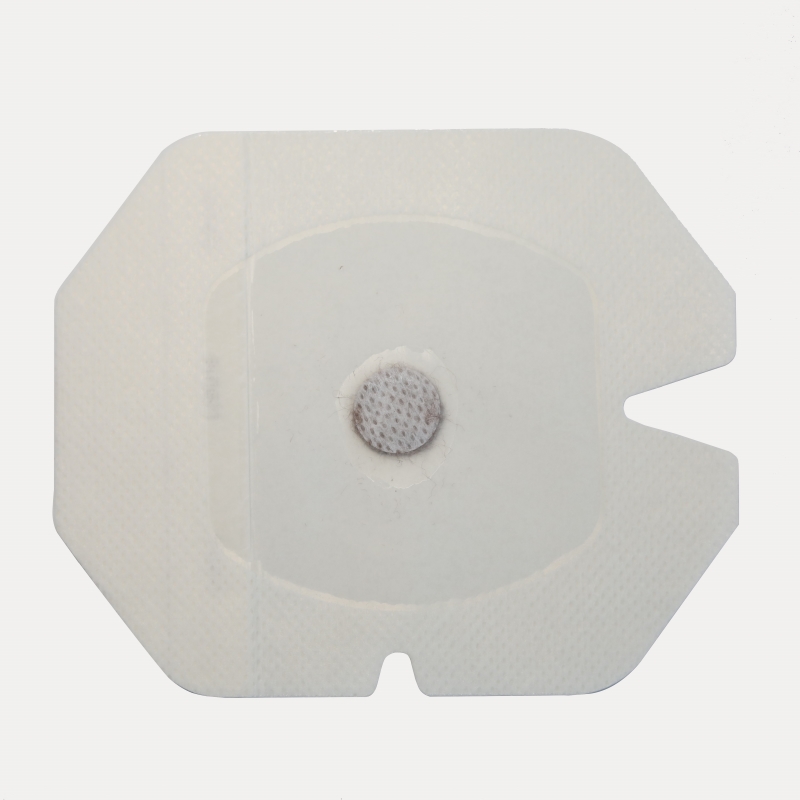
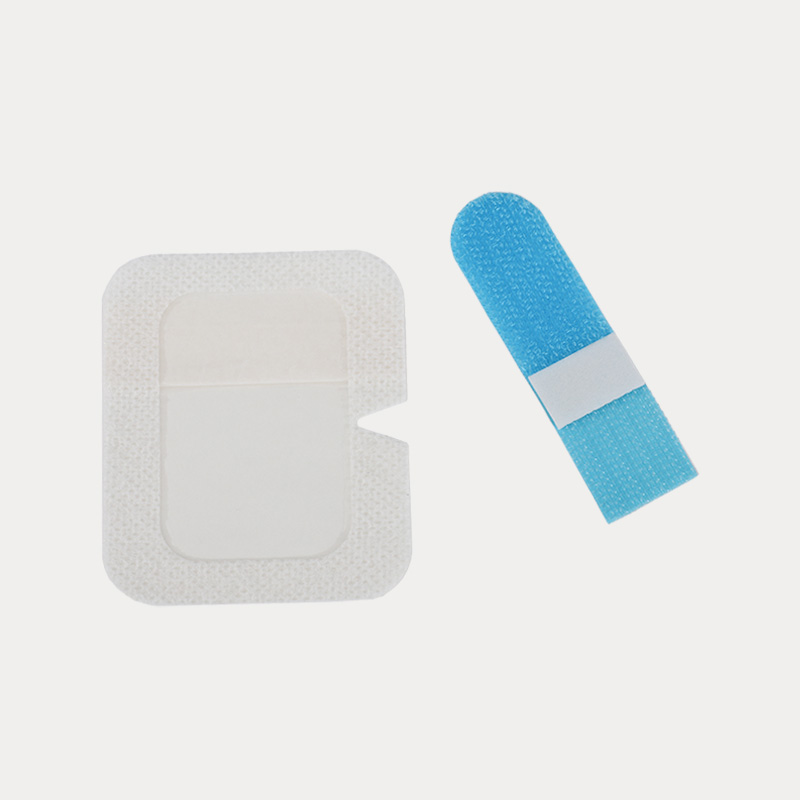
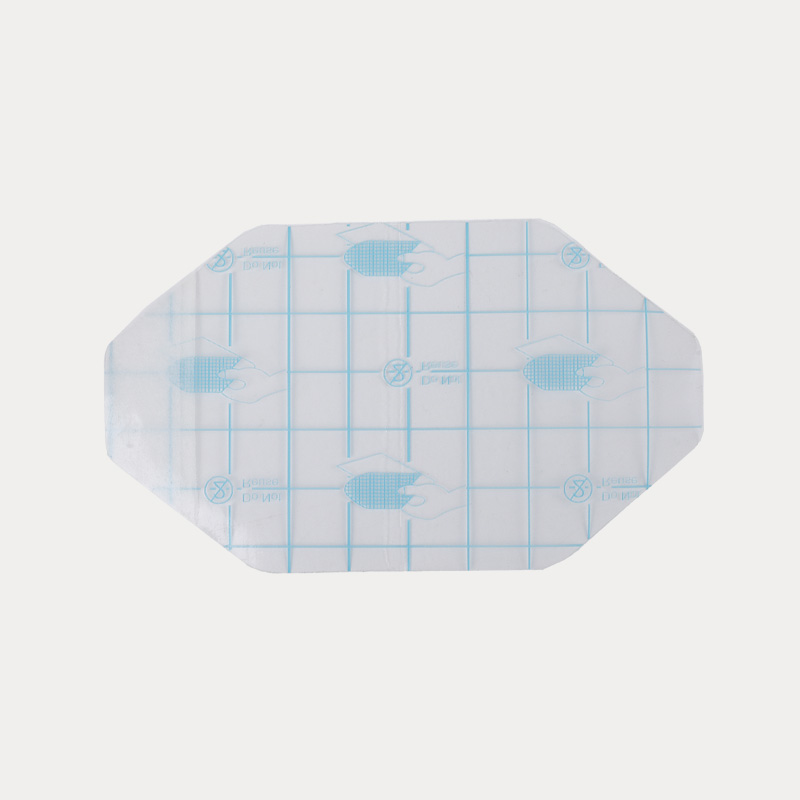
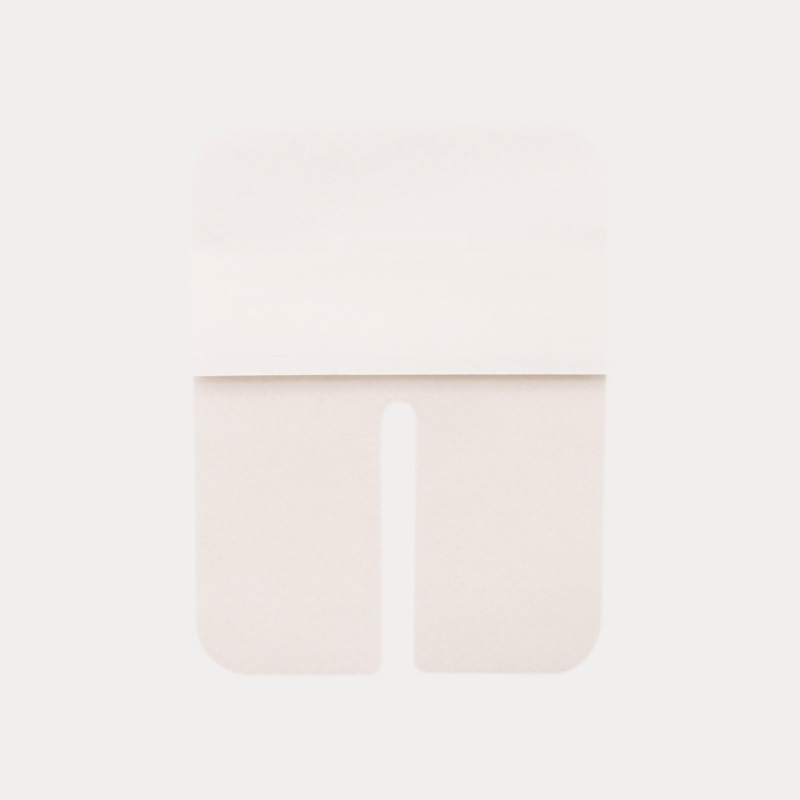
The transparent dressing is a transparent film dressing that can breathe with the skin. It is made of high permeability polyurethane film and special moisture permeable medical acrylic adhesive through special coating process.
The studies have shown that the water vapor volatile quantity of normal human skin is 240-1800g/m²/24h/37℃ within 24 hours. If the moisture permeability of polyurethane film is lower than the moisture volatilization rate of skin, the water vapor may accumulate between skin and dressing. In severe cases, it may macerate the skin, affecting the adhesive effect between the wound healing and the skin. However, the transparent dressing has high permeability and good adhesion, thus guaranteeing the quality
1. High permeable transparent polyurethane film (PU): 20-40g/m², film thickness 1.0 - 3.0 wires.
2. Moisture-Vapor transmission rate(MVTR) for flat coating method ≥ 1800g/m²/24h/37℃.
3. Moisture-Vapor transmission rate(MVTR) for dot mesh coating ≥ 3100g/m²/24h/37℃.
4. Tailored low-sensitive air permeability acrylic resin adhesive: 25-37g/m².
5. CCK paper, PE or PET protective film (outer layer).
6. Transparent.
7. Silicone release paper (bottom layer).
1. Fixation of the indwelling needle, and fixation of PICC and CVC.
2. Fixation of anesthesia catheter, pulmonary artery cannula, renal dialysis cannula, analgesia pump cannula.
3. Skin care of areas susceptible to friction or in humid environment, such as skin protection around tracheotomy areas. Skin care around bone knuckle during incontinence to prevent bedsores.
4. Care of mild bruise wound, incised wound and suture wound.
5. Fixation for other dressings.
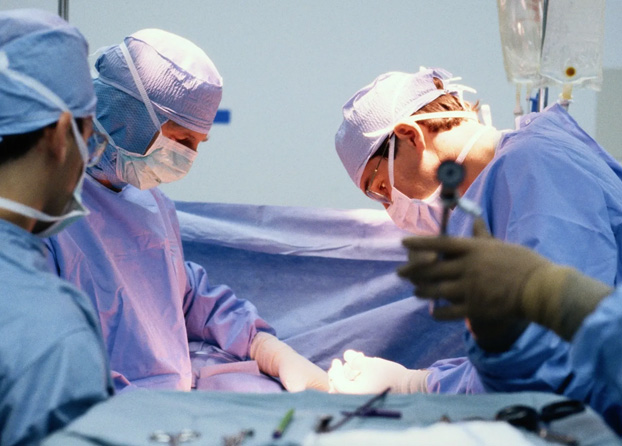
Our solutions start with a need. Patients and healthcare professionals inspire us to design medical solutions for wound management, surgery and pressure ulcer prevention. We want to enhance performance at every point of care – from the operating room to the home.
f the wound reopens after suture removal, medically termed incision dehiscence, there are two types. One is a superficial tear between the epidermis and dermis, resulting in a smal...
Bandaging is neither about being as tight as possible nor as loose as possible. The tightness directly determines whether the dressing can be secured, whether exudate can be contro...
Why does a wound that looks clean never heal? Some wounds appear red and healthy during dressing changes, with minimal exudate and no obvious pus, yet the area doesn't shrink for ...
Postoperative wound pain is mostly normal, but normal doesn't mean you have to endure it, nor does it mean all pain is nothing to worry about. Surgery involves cutting the skin, su...
In the first few minutes after a burn, the treatment directly determines the depth of the wound and the difficulty of subsequent recovery. Many people's first reaction is to apply ...
After being bitten by a cat or dog, many people's first reaction is to apply iodine, put on a bandage, or rush to the hospital. But the most important first step is actually rinsin...
A brown or dark mark left after a wound heals is medically known as post-inflammatory hyperpigmentation. It's not a scar, nor is it due to incomplete cleaning. Rather, it's a color...
Many people only think about intervention when the scar becomes noticeably raised, red, and itchy, by which time the optimal window for intervention has already passed. The timing ...

Longterm medical is a world-leading custom transparent film dressings manufacturers that equips healthcare professionals to achieve the best patient, clinical and economic outcomes.
Add:No. 277, Shuangshan Road, Deqing County, Huzhou
City, Zhejiang Province, China
Tel:0086 15157187579
Copyright © Zhejiang Longterm Medical Technology Co., Ltd All Rights Reserved.

