
 English
 عربى
عربى Español
 русский
 中文简体
中文简体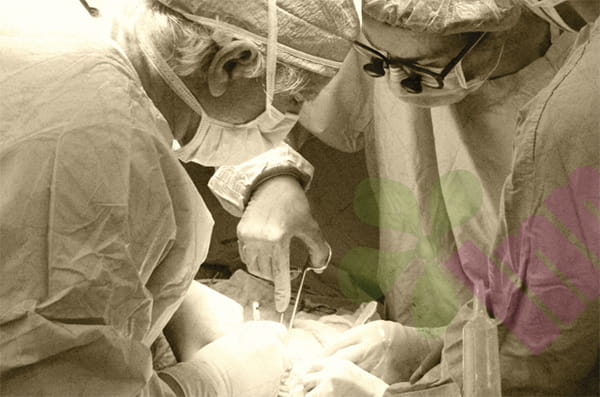






When changing wound dressings, many people focus on what medication to apply and what dressing to use, but overlook a more fundamental issue: whether the yellowish-white necrotic tissue, black scabs, grayish necrotic tissue, and adhering biofilm on the wound surface have been cleaned away. If these dead tissues remain on the wound surface, even the best medications and dressings will be ineffective. Debridement is not an optional step in the dressing change process; it determines whether all subsequent treatments can be carried out on a healthy foundation.
Is wound cleaning simply wiping away the dirt?
The goal of debridement is more than just making the wound look clean. Necrotic tissue, slough, and eschar lack a blood supply, making them ideal attachment surfaces and culture media for bacteria. Bacteria proliferate rapidly within these devitalized tissues, forming biofilms. The polysaccharide matrix of these biofilms blocks the entry of antibiotics and immune cells. Debridement removes these devitalized tissues, foreign bodies, bacterial clumps, and biofilms, exposing the wound base to healthy tissue with a blood supply. This allows granulation tissue to grow upwards from the clean base and epithelial cells to migrate from the edges to the center. Debridement also includes draining pus and necrotic debris from deep cavities and sinuses, relieving deep pressure, and preventing the spread of infection to surrounding and deeper areas.
What happens if necrotic tissue remains on a wound?
When necrotic tissue is present, the inflammatory response remains active, with neutrophils constantly accumulating and releasing proteases and reactive oxygen species. These substances kill bacteria but also damage surrounding normal tissue and newly formed granulation tissue. The wound remains in the inflammatory phase for a prolonged period, unable to enter the proliferative phase, resulting in excessive exudation, poor granulation tissue growth, and failure to shrink the wound area. If the infection is not drained, pus spreads along the interfascial spaces, potentially forming deep abscesses, sinus tracts, and undermining cavities. If necrotic tissue is not removed from diabetic foot wounds, the infection can easily spread to tendons and bones, leading to osteomyelitis and even amputation. If a black eschar from a pressure ulcer covers the infected area and appears dry and intact, pus may already be accumulating beneath the eschar. Debridement is the first step in breaking this vicious cycle.
Why can't we just change the dressing without cleaning the wound?
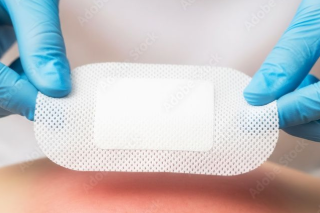
Dressing changes can manage exudate, control bacterial load, and provide a moist healing environment, but dressings cannot replace debridement to remove necrotic tissue. The silver ions or other antibacterial components released by antimicrobial dressings need to come into contact with bacteria to be effective; if bacteria are hidden deep within necrotic tissue and biofilms, the antimicrobial components cannot reach an effective concentration. Exudate management can only handle fluids that have already been drained; if deep-seated pus is not drained, the pressure will continue to damage surrounding tissue. Therefore, dressing changes and debridement are complementary. Debridement establishes a clean base, while dressing changes maintain the healing environment. Without debridement, dressing changes are merely ineffective.
Does a wound becoming larger after cleaning indicate a worsening of the condition?
After debridement, the wound area often appears larger and deeper than before debridement. This is not due to wound deterioration, but rather the exposure of the true defect previously concealed by necrotic tissue and eschar. Pre-debridement measurements are taken at the outer edge of necrotic tissue, while post-debridement measurements are taken at the boundary of viable tissue; the two sets of data cannot be directly compared. After debridement, the area and depth should be recorded again from the new basal boundary, and subsequent measurements should be observed to see if the wound gradually shrinks. If the wound color turns reddish, exudate decreases, and pain lessens after debridement, it indicates that the debridement has achieved the desired effect.
Which wound cleaning procedures must be performed by professionals?
Sharp instrument debridement involves removing necrotic tissue with scalpels and scissors. It requires sterile conditions, local anesthesia, and an understanding of anatomical layers. Home treatment can easily injure blood vessels, nerves, and tendons, and may push infection deeper. Enzymatic and autolytic debridement are relatively gentler, but still require professional assessment of the wound type and selection of agents. Mechanical debridement, such as wet and dry dressings and irrigation, can sometimes be performed under guidance, but irrigation and packing of deep cavities and sinuses are still recommended to be performed by healthcare professionals. Patients with diabetes, lower limb ischemia, and coagulation disorders face higher risks during debridement and must be assessed by a wound care specialist or surgeon. Home care can focus on keeping the wound clean, changing dressings as prescribed, observing and recording changes, and seeking immediate medical attention for debridement if there is an increase in necrotic tissue, unusual odor, increased redness and swelling, or purulent exudate.
How should we cooperate with post-wound cleaning care?
After debridement, the wound needs to be kept moist but not overly macerated. Choose dressings according to the amount of exudate: hydrocolloid for small amounts, foam for moderate amounts, and alginate with an outer layer of foam for large amounts or cavities. Avoid frequently removing dressings to check for granulation tissue. Do not repeatedly irrigate the wound with alcohol, iodine, or hydrogen peroxide. Ensure adequate intake of protein, vitamin C, and zinc; control blood sugar; improve lower limb circulation; and decompress bony prominences. Debridement is not a one-time event; chronic wounds often require multiple, gradual debridements. Each dressing change is an opportunity for assessment and cleaning. Thorough debridement allows subsequent dressings and medications to be effective, giving the wound a chance to heal. For more information on Innomed®Silicone Foam Dressing, refer to the Previous Articles. If you have customized needs, you are welcome to contact us; You Wholeheartedly. At longterm medical, we transform this data by innovating and developing products that make life easier for those who need loving care.
Editor: kiki Jia


