
 English
 عربى
عربى Español
 русский
 中文简体
中文简体






Wounds behind the ear are among the most difficult to fix in head and neck wounds. The skin in this area adheres tightly to the skull, with extremely thin subcutaneous tissue and almost no cushioning fat layer. The skin is tight and has limited mobility. After the dressing is applied, the movement of the ear, head rotation, and the pulling of eyeglasses and mask straps constantly exert shear forces on the edges of the dressing. The curved indentation of the postauricular sulcus makes it difficult for flat dressings to fit completely, and the edges easily become loose and lose adhesion quickly. Sleeping on one's side compresses the area behind the ear, causing the dressing to shift under pressure, and exudate flows down the postauricular sulcus to the neck, causing skin maceration. These combined factors necessitate a more targeted approach to fixing dressings for postauricular wounds, rather than simply applying gauze and tape.
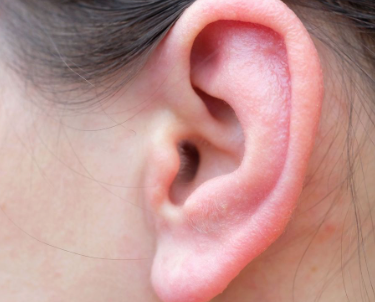
How to choose a dressing for a wound behind the ear?
Ordinary square gauze and narrow-edged tape are not ideal for the area behind the ear. Thin hydrocolloid dressings or silicone foam dressings should be preferred, as these dressings have a certain degree of flexibility and can conform to the curvature of the postauricular sulcus. When cutting, according to the size of the wound and the direction of the postauricular sulcus, cut the dressing into a narrow strip or oval shape aligned with the long axis of the sulcus. The width should be enough to cover the wound and extend outward by about one centimeter; too wide a dressing will create creases and gaps at the root of the auricle. If the wound is deep in the postauricular sulcus, a small piece of calcium alginate dressing or hydrocolloid fiber strip can be used to fill the sulcus first, and then covered with the outer dressing. The edge of the outer dressing should not extend too far into the auricular cartilage, otherwise the dressing will be repeatedly pulled when the auricle moves. For clean wounds with very little exudate, hydrocolloid dressings alone can achieve both coverage and fixation, without the need for additional tape. For wounds with moderate exudate, thin silicone foam dressings are recommended. The foam layer absorbs the exudate while the silicone adhesive side can be repeatedly applied, making it particularly useful in structural areas like behind the ear where the position needs to be adjusted multiple times.
How to secure dressings to counteract auricular movement and skin tension?
Preparing the skin before applying the dressing is especially important behind the ear. The sebaceous glands behind the ear secrete more sebum, resulting in more oil on the skin surface. Incomplete cleaning can reduce the adhesion of the adhesive. Wipe the skin behind the ear clean with a non-woven cloth or cotton pad dampened with warm water, paying attention to removing oil and dead skin cells from deep within the postauricular sulcus. Then allow it to dry completely. When applying the dressing, have the patient gently tilt their head to the opposite side to keep the skin behind the ear relatively relaxed. If the head is in a neutral position, changes in skin tension when turning the head will pull the dressing away. First, place the center of the dressing into the postauricular sulcus, then gently press it in with your fingers from the bottom of the sulcus outwards to ensure the dressing is completely embedded without any gaps. If an outer layer of tape is needed, the tape should be parallel to the postauricular sulcus, not across it. Horizontal tape will restrict skin movement and create stress concentration at the base of the auricle. You can use cloth tape or silicone tape, cut into two or three narrow strips, and place them one above the other on the surface of the dressing. Extend the ends of the tape down behind the ear to the skin of the neck to increase the adhesion area. For wounds that require long-term fixation, you can add another strip of hypoallergenic tape from behind the ear to below the zygomatic arch in front of the ear to form circumferential support without compressing the auricle.
How to reduce dressing fall-off during sleep and daily activities?
The dressing behind the ear often falls off at night, a common problem for many patients. The best sleeping position is on the healthy side, with the wound side facing upwards, to avoid direct pressure on the dressing. If the patient prefers to sleep on their back, a small circular pillow or a side-sleeping pillow with ear grooves can be used to reduce continuous contact and friction between the pillow and the area behind the ear. The mechanical interference of eyeglasses and mask straps on the dressing is easily overlooked. Repeated sliding of eyeglasses against the edge of the dressing can lift it, and prolonged friction from mask straps can not only cause the dressing to shift but also create new pressure sores. It is recommended to cover the dressing with a soft non-woven fabric insert, or temporarily use a neckband mask instead of an ear loop mask. For eyeglasses, anti-slip covers can be used temporarily to reduce pressure between the eyeglasses and the skin behind the ear. Water can easily get into the dressing when washing hair or face. Before bathing, cover the dressing with a waterproof transparent film, sealing the edges with hypoallergenic waterproof tape. After bathing, immediately remove the waterproof layer and check the dressing for moisture. Patients who sweat a lot need to have their dressings changed more frequently behind their ears. Soaking in sweat can cause the adhesive to become ineffective and soften the skin, making the dressings more likely to slip off.
What methods can be used to strengthen the fixation of a dressing when it has repeatedly fallen off?
If conventional methods fail to secure the dressing stably behind the ear, zonal fixation and auxiliary fixation tools should be considered. First, apply a thin layer of hydrocolloid dressing to the wound area to protect it, then cover it with a slightly larger silicone foam dressing. The outermost layer should be an elastic mesh or tubular gauze cover over the entire head, securing the dressing with a knot at the top of the head. The dressing should be held in place by overall coverage rather than localized adhesion. Medical elastic head covers provide more even pressure than ordinary mesh covers and are suitable for wounds behind the ear that require some pressure support. In cases of adhesive allergies or broken skin behind the ear preventing the use of tape, a self-adhesive elastic bandage can be used to wrap around the head. When bandaging, the bandage should pass over the forehead, occiput, and behind the ear, with a tightness that allows for one finger to fit comfortably, avoiding excessive tightness that could impede venous return from the head. For deep wounds requiring daily dressing changes, when medical staff place drainage strips, the end of the strip should be secured to the outside of the dressing behind the ear and marked with tape to prevent it from slipping out with the dressing. In summary, the approach to securing wounds behind the ear involves ensuring the dressing shape matches the curvature of the postauricular sulcus, maintaining a tension-free skin condition during application, minimizing interference from the auricle, glasses, and masks, and, in special cases, using a mesh headband or other overall fixation method instead of localized application. Each step is designed to reduce shearing forces and maintain a seamless fit. For more information on Innomed® Silicone Foam Dressing, please refer to the Previous Articles. If you have customized needs, you are welcome to contact us; You Wholeheartedly. At long-term medical, we transform this data by innovating and developing products that make life easier for those who need loving care.
Editor: kiki Jia


