
 English
 عربى
عربى Español
 русский
 中文简体
中文简体






Black scabs are a common phenomenon during wound healing, but improper treatment can hinder the healing process and even lead to complications. Understanding the nature of black scabs and the correct treatment methods are important for promoting normal wound healing.
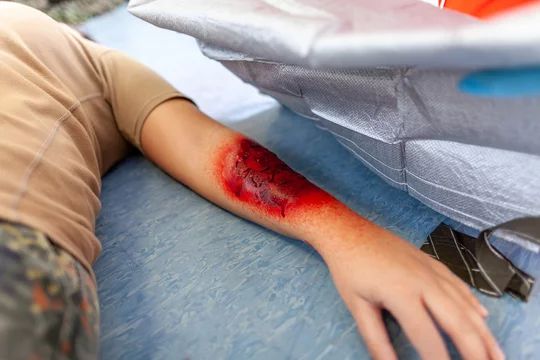
What is black scab on wounds?
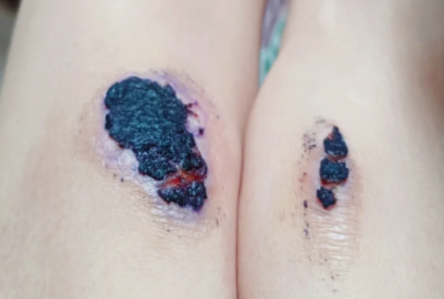
Black scab is a hard, black or dark brown covering that forms on the surface of a wound. It is primarily formed by the drying of coagulated blood, necrotic tissue, and exudate. This scab is the body's natural protective mechanism, covering the wound surface and preventing bacterial invasion in the early stages of wound healing. However, black scab can also become a breeding ground for bacteria, hindering the growth of new tissue and prolonging healing time.
How does the healing process take place under a black scab?
Under the black scab, the wound undergoes a series of healing stages. Autolytic debridement occurs beneath the scab, with the body's own enzymes gradually breaking down necrotic tissue. Simultaneously, epithelial cells at the wound edge begin to migrate toward the center, and granulation tissue gradually fills the wound surface. When new tissue grows to a sufficient extent, the black scab will naturally fall off. This process is known as reverse healing, meaning it heals from the wound base upward.
When is it necessary to remove black scab?
Generally, black scabs on small, superficial wounds do not require treatment and will fall off naturally after healing. However, if redness, swelling, increased pain, or purulent discharge develops beneath the scab, this indicates possible infection and may warrant removal . Removal should also be considered if the scab is too thick and hard, completely blocking the drainage of exudate. For pressure injuries or areas with poor circulation, leaving the scab in place may increase the risk of deeper tissue damage.
How to remove black scab safely?
Debridement is the primary method for treating black scabs. Mechanical debridement uses sterile instruments to gently remove loose scabs and is suitable for black scabs with separated edges. Autolytic debridement involves soaking the wound with saline to break down the black scab. After debridement, depending on the condition of the wound, medications to promote wound healing, such as growth factors, may be used. Growth factors promote tissue repair and accelerate healing. Moist wound dressings can then be applied.
How to promote wound healing after debridement?
After debridement, create a suitable wound healing environment. Keep the wound moderately moist and use modern dressings such as hydrocolloid or foam dressings. To control infection risk, use silver-containing dressings or antibiotic ointments as appropriate. Improve local blood circulation by gently massaging the surrounding skin to promote blood flow.
Which situations require special attention?
For black scabs on joints, care should be taken to protect functional mobility during debridement. Facial wounds require particular care to avoid leaving noticeable scars. Debridement should be gentler for wounds in the elderly or those with poor circulation. Long-lasting black scabs that do not heal require exclusion of malignancy. Patients with bleeding disorders or those taking anticoagulants require medical evaluation before debridement.
How to prevent excessive black scab formation?
Proper wound care can prevent excessive black scab formation. Keep the wound moderately moist and avoid complete drying. Remove excess exudate promptly to prevent accumulation and drying. Use appropriate dressings that balance moisture and breathability. Avoid unnecessary damage and protect new tissue. Change the dressing regularly and monitor changes in the wound.
Black scabs on wounds are a natural part of the healing process, but they need to be treated and managed correctly. With proper debridement and care, most wounds heal successfully. The key is to keep the wound clean, provide a suitable healing environment, and promptly identify and address complications. When faced with uncertainty, it is always wise to seek professional medical help. For more information on Innomed® Silicone Foam Dressing , refer to the Previous Articles. If you have customized needs, you are welcome to contact us; You Wholeheartedly. At longterm medical, we transform this data by Innovating and Developing Products that Make Life Easier for Those Who Need Loving Care.
Editor: kiki Jia


