
 English
 عربى
عربى Español
 русский
 中文简体
中文简体






Wound healing is a complex physiological process influenced by a variety of factors. In winter, many people's wounds seem to heal more slowly or experience poor healing. This is not an illusion; there are scientific reasons behind it. Understanding these seasonal influencing factors and taking targeted measures is crucial for patients who are injured or undergo surgery in winter.
What factors affect wound healing in winter?
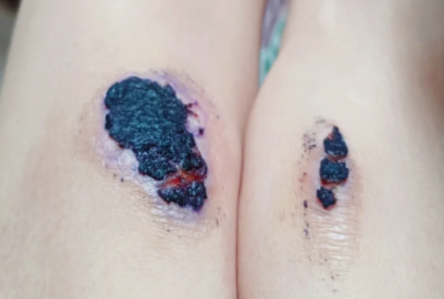
Winter air humidity drops significantly, making both the dry, cold outdoors in the north and the air very dry indoors due to air conditioning heating in the south. This dry environment directly accelerates the evaporation of moisture from the wound surface. Ideal wound healing requires a moderately moist microenvironment that promotes the migration and proliferation of epidermal cells. When a wound is excessively dry, a thick, hard scab easily forms. While this scab may seem to protect the wound, it actually acts as a physical barrier to cell growth, preventing new epidermal cells from spreading from the edges to the center and thus delaying healing. Furthermore, dry skin is more prone to itching and flaking; scratching around the wound can lead to infection or further damage.
Another key factor is slowed blood circulation. In cold environments, the body activates a protective mechanism, constricting peripheral blood vessels (especially those in the skin and extremities) to reduce heat loss and maintain core body temperature. The direct consequence of this vasoconstriction is reduced blood flow to wounds. Blood is responsible for delivering oxygen, nutrients, immune cells, and growth factors essential for healing, while also removing metabolic waste. Slowed blood circulation means the wound area is in a relatively "ischemic and hypoxic" and "nutrient-deficient" state, naturally slowing down cell repair and reducing the body's ability to fight infection.
What impact does winter lifestyle have on wound healing?
People generally reduce their activity levels in winter, especially outdoor activities. Prolonged sitting or lying in bed directly slows down blood circulation throughout the body, further exacerbating insufficient blood supply to wounds. This problem is even more pronounced for patients who need bed rest. Furthermore, nutritional intake may be unbalanced in winter. The intake of fresh fruits and vegetables may decrease, while the intake of high-calorie, high-fat foods may increase ; nutrient deficiencies directly slow down the healing process.
How to make wounds heal faster in winter?
In the dry winter, choosing dressings that can lock in moisture is more important than ever. Hydrocolloid dressings, foam dressings, or silicone gel dressings are preferred. These modern functional dressings actively create a closed or semi-closed moist environment for the wound, preventing excessive moisture evaporation while absorbing excess exudate, making them ideal for winter care. Never allow the wound to be exposed to dry air and form a thick scab. When the patient's condition permits and the wound is stable (e.g., securely sutured), very gentle passive or active movements can be performed. These movements act like a pump, promoting venous and lymphatic return, reducing edema, and indirectly improving local microcirculation.
For more information on Innomed®Hydrocolloid Dressing, Refer to the Previous Articles. If you have customized needs, you are welcome to contact us; You Wholeheartedly. At longterm medical, we transform this data by Innovating and Developing Products that Make Life easier for those who need loving care.
Editor: kiki Jia


