
 English
 عربى
عربى Español
 русский
 中文简体
中文简体





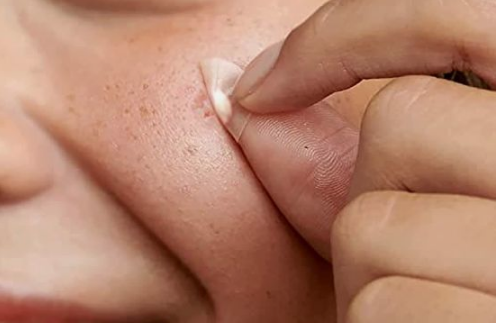
Acne patches, scientifically known as "artificial skin" or "hydrocolloid dressings," are small, medical-grade dressings used for localized skin problems. Their core material is typically a hydrophilic hydrocolloid that absorbs a small amount of tissue fluid and forms a soft, moist gel pad on the surface. For acne care, their primary function is not to "treat" the deep inflammation of acne, but rather to provide a physical barrier and a microenvironment that promotes local healing. Specifically, they absorb tissue fluid and a small amount of pus that seeps out after pimples break open, keeping the wound clean; they isolate external bacteria and contaminants, reducing the risk of secondary infection; simultaneously, the moist environment they maintain helps epidermal cell migration and repair, accelerating the healing of micro-wounds and potentially reducing local redness and swelling. For pimples that have already ruptured and have open wounds, proper use of acne patches can effectively help them recover.
How should I choose acne patches?
Choosing an acne patch cannot be generalized; the key is to consider the stage of your acne and your main goal. Acne patches on the market can be broadly divided into two categories: "invisible patches" without added ingredients and "functional patches" with added antibacterial or anti-inflammatory ingredients.
For pimples that have already ruptured, have white or yellow pustules emerging, or have been accidentally squeezed, the primary goal is to absorb the exudate, isolate bacteria, and promote healing. In this case, a hydrocolloid pimple patch with strong absorption capacity should be chosen. These patches are usually thicker, and the center turns white after absorption. They effectively absorb secretions, prevent scabbing, and reduce external friction.
For inflammatory pimples that are red, swollen, and painful but haven't yet formed a pustule, if your goal is to reduce redness and inhibit bacteria, you can try functional acne patches containing antibacterial and anti-inflammatory ingredients such as salicylic acid, tea tree oil, niacinamide, or piozoline. These patches may use sustained-release technology to deliver the ingredients locally, helping to soothe inflammation. However, they usually have poor absorption and are not suitable for pimples that have already broken open.
How to use acne patches correctly?
After cleansing your face and before skincare products are absorbed, first, thoroughly cleanse your hands and face with a gentle cleanser. For pimples with pustules, disinfect the area with an alcohol swab. If the pustules are mature and superficial, after strict disinfection, gently puncture the top of the pustules with a sterilized comedone extractor , then gently press with a clean cotton swab to absorb the pus. Next, ensure the pimple and surrounding skin are completely dry, without any moisture or skincare residue, otherwise it will affect the adhesion. Take out the pimple patch, align it with the center of the pimple, and gently press the edges with your fingers for a few seconds to ensure it adheres tightly to the skin without air bubbles or lifting.
Acne patches should be considered a localized, emergency care tool, not a routine skincare step. In your daily skincare routine, they should be used after cleansing and basic moisturizing, and before sunscreen or makeup. After applying the patch, you can apply sunscreen or makeup as usual, but be careful to gently glide it over the patch area to avoid rubbing and causing it to fall off. After removing makeup and cleansing at night, decide whether to replace the patch and leave it on overnight, depending on the situation.
For more information on Innomed®Acne Plaster, Refer to the Previous Articles. If you have customized needs, you are welcome to contact us; You Wholeheartedly. At longterm medical, we transform this data by Innovating and Developing Products that Make Life easier for those who need loving care.
Editor: kiki Jia


