
 English
 عربى
عربى Español
 русский
 中文简体
中文简体






Wearing new shoes is a trivial matter, but improper handling can lead to serious consequences. A recent case illustrates this: a foot injury caused by wearing new shoes eventually developed into a severe systemic infection. This case reminds us that neglecting even minor wounds can pose significant risks.
Basic facts of the incident
A 15-year-old girl went out wearing new leather shoes that hadn't been properly broken in. The heels of the shoes were hard, causing constant friction against her skin. Several hours later, the girl felt pain in her heel and discovered blisters had formed. She used an unsterilized needle to pop the blisters and simply applied a regular bandage. Three days later, the injured area became red, swollen, hot, and painful, and the affected area continued to expand. The girl developed a fever, which gradually rose to 39 degrees Celsius. By the time she was taken to the hospital, a severe infection had formed on her heel, and bacteria had entered her bloodstream, causing sepsis.
What caused this?
The friction between the hard upper of a shoe and the skin of the heel causes the epidermis and dermis to separate. Tissue fluid seeps out, forming friction blisters, a protective reaction of the skin. Breaking these blisters disrupts the skin's natural barrier. Bacteria from unsterilized instruments and the environment enter the subcutaneous tissue. The enclosed environment of a band-aid creates favorable conditions for bacterial growth. Common skin flora such as Staphylococcus aureus proliferate in large numbers. The infection spreads along the lymphatic vessels, causing local cellulitis. Bacteria enter the bloodstream, leading to a systemic inflammatory response.
The function of hydrocolloid heel patches
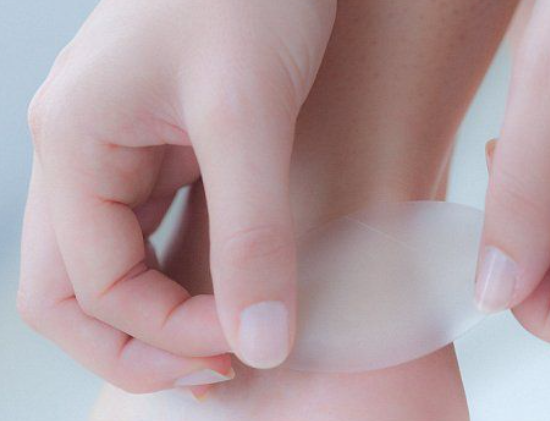
Why not use adhesive bandages? We recommend hydrocolloid heel protectors instead. The soft, cushioned layer of hydrocolloid heel protectors reduces direct pressure on the skin from the heel. Their surface friction is lower than direct skin-shoe contact, reducing shear forces. The material is breathable, preventing moisture buildup. They provide continuous protection and are less prone to shifting even during long walks. Early use can prevent blisters and protect the skin barrier.
What should you do in the early stages of infection?
If redness is observed at the site of friction, immediately stop wearing the shoes. Clean the red area with saline solution and keep it clean and dry. Protect the skin with a hydrocolloid dressing before blisters form. If blisters have already formed, keep the blister skin intact and do not break them yourself. Cover with a sterile dressing and avoid further friction. Closely observe any changes in the area; seek medical attention immediately if the redness and swelling worsen.
What are the warning signs ?
The localized redness and swelling rapidly expand beyond the injured area. The pain intensifies, becoming throbbing. The skin temperature at the injured site rises significantly. Red streaks appear and extend proximally. Accompanying symptoms include fever, chills, and general weakness. Increased heart rate and rapid breathing occur. Altered mental status may occur, such as drowsiness or agitation.
How can we prevent this in our daily lives ?
Break in new shoes thoroughly before wearing them, starting with a short break-in period and gradually increasing it. Pay special attention to protecting bony prominences such as the heel, ankle, and outer side of the little toe. Use professional protective products such as silicone pads or hydrogel patches. Wear appropriately thick socks for extra cushioning. Inspect your feet before and after activities to detect early injuries promptly. Educate children and teenagers about the importance of foot protection.
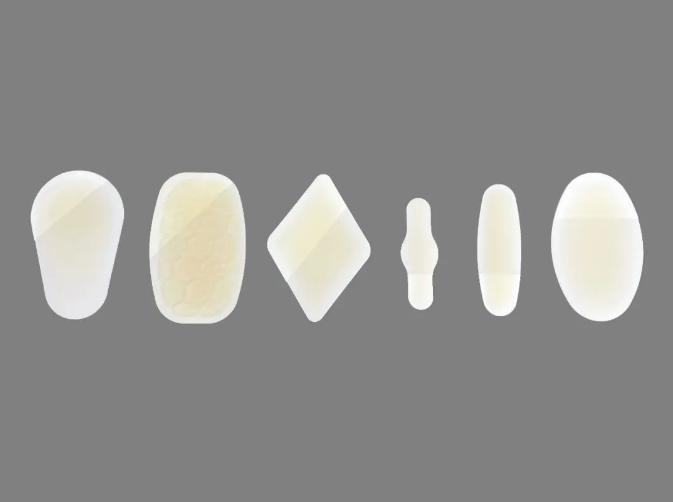
This case serves as a reminder that proper care of minor wounds is crucial. Serious infections can be completely avoided through appropriate preventative measures and early intervention. Hydrocolloid heel patches, as effective protective tools, should be more widely used in daily footwear. For any skin abrasions, vigilance should be maintained, and proper care principles should be followed.
For more information on Innomed® Hydrocolloid Blister Plaster, Refer to the Previous Articles. If you have customized needs, you are welcome to contact us; You Wholeheartedly. At longterm medical, we transform this data by Innovating and Developing Products that Make Life easier for those who need loving care.
Editor: kiki Jia


