
 English
 عربى
عربى Español
 русский
 中文简体
中文简体





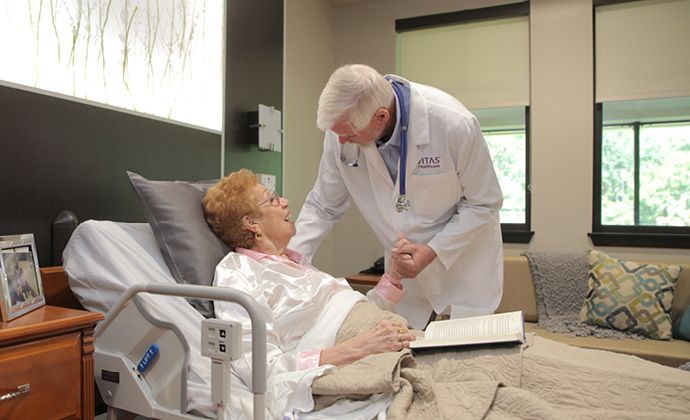
Intravenous infusion is a common treatment method in clinical practice . However, the skin of the elderly and children is special. The skin of the elderly is loose, inelastic, and thin, while the skin of children is delicate and sensitive. When ordinary medical tape is used to fix the infusion needle, problems such as skin redness, itching, and damage often occur, causing additional pain to the patients.
What are the potential risks of using ordinary medical tape to secure intravenous infusions ?
Ordinary medical tapes are mostly made of non-woven fabric or cotton, which are highly adhesive but have poor skin compatibility. Elderly people have slower skin metabolism and less collagen, making them less tolerant of the adhesive strength of tape. Removing the tape can easily tear the epidermis, leading to skin damage and bleeding, especially on thin, delicate areas like the wrists and backs of the hands, potentially causing minor wound infections. Children have thinner skin with more capillaries, making them more susceptible to contact dermatitis from the chemicals in the tape, resulting in redness, papules, and itching. Some children may also scratch the infusion site due to discomfort, increasing the risk of needle displacement. Furthermore, ordinary tape has poor breathability after application, leading to a damp and hot environment, especially in summer or during prolonged infusions. This can easily breed bacteria, further aggravating skin discomfort and increasing the risk of infection, causing considerable inconvenience for both the elderly and children during infusions.
Why is the use of silicone gel tape recommended ?
Made of medical-grade silicone, silicone gel tape is more suitable for the delicate skin of the elderly and children. Its gentle adhesiveness and hypoallergenic design work through physical adsorption, securing the IV needle firmly to prevent displacement or detachment, allowing for slight limb movement during infusion without causing strong skin irritation. Clinically proven, the incidence of contact dermatitis is significantly lower than with ordinary medical tape. Silicone gel tape boasts excellent breathability, with good oxygen permeability and moisture absorption, quickly wicking away sweat and moisture from the skin surface, keeping it dry and clean, and preventing discomfort from prolonged wear. Even during extended infusions, it maintains skin comfort. Furthermore, the soft and elastic silicone material conforms closely to skin texture and adapts flexibly to body movements, preventing the tape from lifting or detaching due to limb bending or stretching, resulting in more stable fixation. It is especially suitable for securing joints in the elderly and the active limbs of children. When removing the tape, the silicone gel tape can be easily peeled off without sticking to the skin or hair, avoiding pain and skin damage during removal, greatly improving patient comfort, and significantly reducing the resistance of the elderly and children to intravenous infusion.
What are the precautions for use ?
Before using silicone gel tape, clean the skin at the infusion site. Wipe with warm water and gently dry with a clean towel to remove oil, sweat, and other impurities. Avoid leaving residue that could affect the tape's adhesion and ensure a secure hold. Choose the appropriate tape size based on the infusion site and needle size. Avoid overstretching the tape when applying it, as this can create additional tension on the skin, especially important for elderly people whose skin has less elasticity. Overstretching may cause wrinkles in areas of loose skin, affecting the hold. For children with extremely sensitive skin or elderly people with minor skin abrasions, perform a skin sensitivity test behind the ear or on the inside of the arm before use. Cut a small piece of tape, apply it, and observe for 24 hours. If no redness, itching, or other abnormalities occur, it is safe to use. During the infusion, family members should regularly observe the skin condition and the tape's hold. If redness, itching, or other discomfort occurs, or if the tape edges peel up, replace the tape or adjust the hold immediately. Consult medical staff if necessary. After the infusion is finished, remove the tape gently. First, gently press the edge of the tape to allow air to enter between the tape and the skin, then slowly peel it away in the opposite direction of the needle. Avoid violent tearing, especially for children; distracting them can reduce their fear and ensure a smooth removal process. Furthermore, note that silicone gel tape is a single-use product and should not be reused to avoid cross-infection. Store it in a cool, dry place, away from direct sunlight to ensure the tape's adhesive properties are not affected. Silicone gel tape, with its gentle, hypoallergenic, breathable, comfortable, and secure fixation, is an ideal choice for securing infusions for the elderly and children. It effectively solves the skin discomfort problems caused by ordinary tape, making the infusion process safer and more comfortable, providing considerate care for patients with delicate skin. For more information on Innomed® Medical Silicone Tape, refer to the previous articles. If you have customized needs, you are welcome to contact us; You Wholeheartedly. At long-term medical, we transform this data by innovating and developing products that make life easier for those who need loving care.
Editor: kiki Jia


