
 English
 عربى
عربى Español
 русский
 中文简体
中文简体






Low winter temperatures can easily lead to burns from using hot water bottles for warmth, cooking in the kitchen, and showering with hot water. Mild burns may result in redness and blistering, while severe burns can cause open wounds. The key to burn care is relieving pain, preventing infection, and promoting healing. Traditional methods like applying toothpaste or soy sauce are not only ineffective but may also worsen the injury. As a type of functional wound dressing, can hydrogel dressings play a crucial role in burn care, quickly relieving pain and accelerating wound healing?
What are the drawbacks of traditional care for burns ?
Many people habitually apply toothpaste, sesame oil, or ice directly to burns, but these practices pose significant risks. Toothpaste and sesame oil are not sterile and can easily carry bacteria, increasing the risk of wound infection and potentially interfering with a doctor's assessment of the burn's severity. Applying ice directly can impede local blood circulation, worsening tissue damage and prolonging healing time. Covering a burn with ordinary gauze not only has poor exudate absorption but also tends to stick to the wound, causing further injury during dressing changes and exacerbating pain. Especially in winter, heavy clothing can cause gauze to rub against the wound, further hindering healing. For burns on joints or other mobile areas, ordinary gauze may shift due to movement, failing to effectively protect the wound.
What type of dressing should be used for burns?
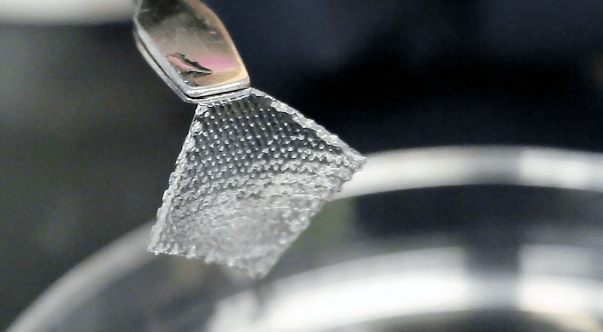
Hydrogel dressings offer precise care tailored to the specific characteristics of burn wounds. With a water content ranging from 60% to 95%, they rapidly cool the wound upon application, carrying away heat through water evaporation. This effectively relieves the burning pain after a burn, making them gentler and safer than traditional cold compresses, without damaging the healthy skin surrounding the wound. For children or people with sensitive skin, this gentle cooling method reduces irritation and enhances comfort. Simultaneously, hydrogel dressings absorb wound exudate, creating a moist healing environment and preventing the wound from drying out and forming scabs, reducing the likelihood of scarring. This is especially important for burns on exposed areas such as the face and hands.
In addition, hydrogel dressings have excellent breathability and biocompatibility, preventing external bacterial invasion and reducing the risk of infection. Their soft texture conforms to the body's curves, allowing them to adhere firmly even to frequently moving areas such as fingers and elbows, preventing shifting or falling off due to movement. For minor burns with redness and swelling, hydrogel dressings can reduce inflammation and alleviate symptoms. For wounds with blisters or ulcers, they protect newly formed tissue, preventing secondary damage from friction and contamination, promoting epithelial cell growth, and shortening the healing period—typically reducing healing time by about 30% compared to wounds treated with ordinary gauze.
How to use hydrogel dressings correctly ?
Before applying hydrogel dressings, the burn wound must be cleaned. For unbroken, red, and swollen wounds, simply rinse with saline solution and dry. For wounds with blisters or ulcers, clean away dirt and necrotic tissue under the guidance of a doctor, disinfect with iodine solution, and allow the wound to dry before applying the dressing to avoid irritating the wound with residual disinfectant.
Choose a hydrogel dressing of the appropriate size, ensuring it completely covers the wound and 1-2 cm of surrounding healthy skin to prevent gaps that could allow bacteria to enter. Apply gently, pressing it firmly to ensure it adheres well to the wound; avoid bandaging too tightly to prevent restricting local blood circulation. Generally, minor burns can be changed every 3-5 days, while wounds with significant exudate can be changed every 1-2 days. Observe the wound healing process during dressing changes. If purulent exudate, increased redness and swelling around the wound, or fever occurs, seek medical attention immediately.
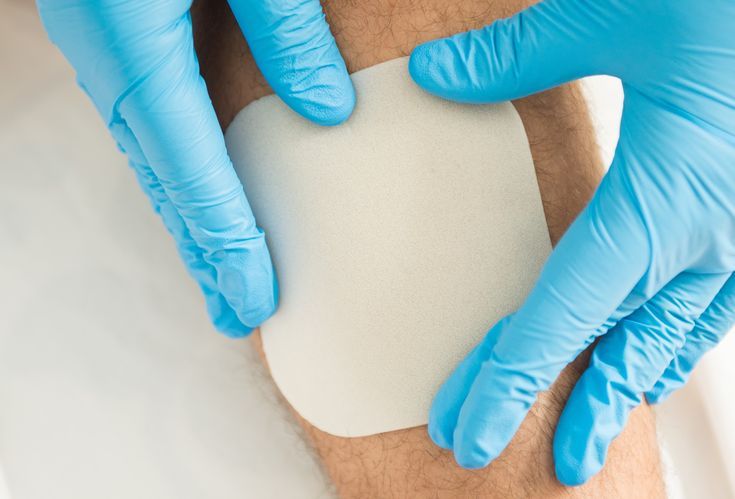
When using hydrogel dressings in winter, keep the skin around the wound dry and avoid friction from clothing to prevent the dressing from falling off. Choose loose, soft cotton clothing to reduce friction. For large-area, deep burns, seek medical attention immediately. Do not use hydrogel dressings on your own, as this may delay treatment.
Choosing the right method for burn care is crucial in winter. Hydrogel dressings, with their multiple advantages of relieving pain, absorbing exudate, preventing infection, and promoting healing, have become an ideal choice for burn care. Abandoning traditional, incorrect care methods and using hydrogel dressings correctly allows burn wounds to heal quickly in a gentle environment, reducing pain and scarring, providing scientific assurance for winter wound care.For more information on Innomed® Hydrogel Dressing, refer to the previous articles. If you have customized needs, you are welcome to contact us; You Wholeheartedly. At long-term medical, we transform this data by innovating and developing products that make life easier for those who need loving care.
Editor: kiki Jia


