
 English
 عربى
 Español
 русский
 中文简体






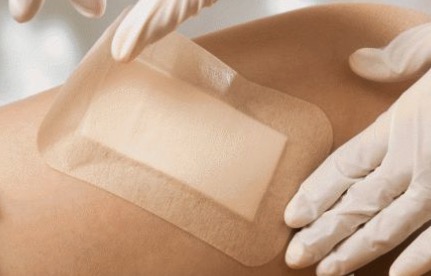
After an injury or after stitches are removed, the most common thing family members say is, "Apply scar patches as soon as possible!" The logic is sound, but how "early" is "as soon as possible"? Applying them too early to a wound that hasn't fully healed carries risks, while applying them too late misses the optimal window for healing. This sense of timing is precisely what most people fail to grasp.
Scars have a life cycle.
Scars are not static; they have two journeys.
The first phase is called the proliferative phase, which lasts from about one month to six months after the injury. During this time, fibroblasts work frantically, collagen accumulates in large quantities, and the scar appears red, hard, and raised, often itchy and swollen—it's like a freshly baked loaf of bread that continues to expand.
The second stage is called the maturation stage, which starts after 6 months and can last for a year or even two years. Collagen gradually rearranges, blood vessels degenerate, and the scar slowly softens, flattens, and fades in color.
The best thing about scar patches is that they "apply the brakes" during the proliferative phase: through the hydration of the silicone layer and moderate pressure, they inhibit excessive collagen accumulation, preventing the "bread" from growing too large. Once it has matured and set, becoming red, hard, and raised, applying silicone patches can mainly only soften it, relieve itching, and lighten the color; it's very difficult to flatten it.
So when exactly can we start applying the stickers?
One crucial condition: the wound must be completely epithelialized—the scab must fall off naturally, there should be no oozing, no cracks, and the surface should be a layer of intact new skin. This usually takes one to two weeks after suture removal for minor surgeries and about a week after healing for ordinary wounds.
Why not apply it sooner? Silicone membranes need to be applied to intact skin to be effective. Applying them to open wounds not only fails to prevent hyperplasia but also carries the risk of infection and maceration.
Why does everyone emphasize "early"?
The "fuel" for hyperplasia is the tension and inflammation that persist during the early stages of wound healing. The first three months of the hyperplasia period are the golden window; intervention at this time is like extinguishing a fire when it first starts. If you wait until the scar has already grown red and hard, it's like the fire has already burned through; extinguishing it then will only leave you with a mess.
So the rhythm is: let the wound heal properly first, and then start applying the dressing immediately after it heals—not the earlier the better, but "apply it the day you can, don't delay."
How long should I apply it each day, and how can I tell if it's effective?
The effectiveness of silicone adhesive patches is directly related to the duration of wear. Wearing them for a cumulative total of 12 hours per day is the minimum, ideally more than 20 hours, for 3 to 6 months. You can remove them when showering, dry them, and then reapply them.
How do you know if it's working? In the first month, observe the "feeling": has the itching and swelling lessened, and has the color become less red? In the second or third month, observe the "texture": has the hardness softened, and has it become less raised? Don't expect to see obvious changes in a week—scar intervention is a process measured in months.
In addition, a single silicone patch can be washed and reused repeatedly. It is generally recommended to replace it when the adhesiveness noticeably decreases, about one patch every two weeks to one month, depending on the product instructions.
Several frequently asked questions, explained in one go
Can old scars be treated with silicone gel? Yes, but lower your expectations—for mature scars older than six months, silicone gel mainly softens and relieves itching; don't expect it to flatten them.
Can children use it? Yes, silicone itself is gentle, but it should be used under parental supervision to prevent accidental swallowing after removal. For large burn scars, it is recommended to use it in conjunction with pressure therapy under the guidance of a doctor.
Does it conflict with massage? No, it doesn't. During the time you remove the dressing, gently massage the scar for a few minutes to help with collagen rearrangement. The two work together, they are not mutually exclusive.
For more information on Innomed®Silicone Foam Dressing, Refer to the Previous Articles. If you have customized needs, you are welcome to contact us; You Wholeheartedly. At longterm medical, we transform this data by Innovating and Developing Products that Make Life easier for those who need loving care.
Editor: kiki Jia


