
 English
 عربى
 Español
 русский
 中文简体
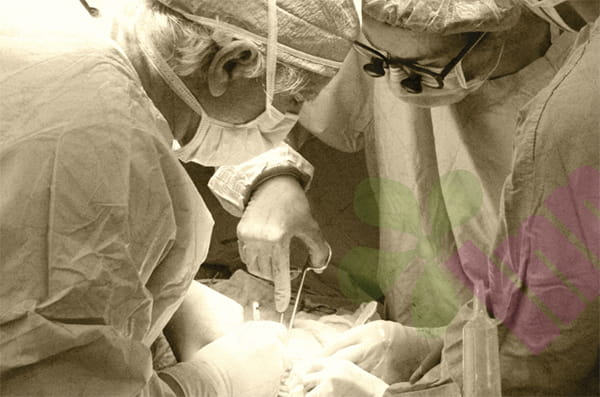






Anyone who has changed dressings for an elderly family member knows this: the worst part isn't the wound itself, but the moment the bandage is removed—the tape tears away a layer of skin, creating several new cuts around the wound. While one side is healing, another is being injured; the person hasn't even recovered, and the skin is already giving out.

Why is the skin of the elderly so fragile?
Skin is one of the first organs in the body to "age." As we age, collagen in the dermis is lost, subcutaneous fat thins, and the skin loses elasticity and its "cushion." Add to this chronic illnesses, dehydration, malnutrition, and long-term use of hormonal medications, and the skin can become so thin it's almost transparent, with blood vessels clearly visible. Clinically, there's even a term "paper-thin skin"—describing this state where it breaks at the slightest touch.
The dermis of young skin is like a sturdy fishing net; it can withstand being torn. But the net of an elderly person is already thin, and the same shearing force will directly create a hole.
What does the adhesive strength of ordinary tape mean for thin skin?
Most adhesive tapes and dressings on the market are designed for the strength of ordinary adult skin. The shearing force generated when removing them is not a problem for young people, but fragile skin cannot withstand it at all. Repeatedly applying and removing them in the same place can also cause a very typical problem—medical adhesive-related skin injury, such as redness, blisters, and peeling off large sections of the surface layer.
Many family members assume that the elderly person is "allergic to the tape," but in most cases it is not an allergy, but rather that the skin cannot withstand the adhesive force itself.
Why is silicone gel foam dressing a good choice for brittle skin?
Silicone gel adheres to a "light" surface, with just enough adhesive to hold it in place. When removed, it doesn't pull on the stratum corneum, putting much less strain on thin skin. In addition, the middle foam layer absorbs exudate and cushions external pressure and friction—making it ideal for bedridden elderly people to apply to bony prominences like the sacrum, coccyx, and hips, providing comprehensive coverage and protection in one step.
For people with sensitive skin, the biggest source of harm from changing dressings isn't disinfection, but rather the "sticking" and "tearing" sensation. Replacing these two steps with gentler materials often leads to a significant improvement in skin condition.
In terms of dressing change techniques, are there a few details that could "save lives"?
- Before peeling, moisten the edges with saline or warm water to soften the adhesive.
- Hold the skin down with one hand, and use the other hand to gently peel it off at an angle close to zero or 180 degrees, following the direction of the hair. Never pull it vertically upwards.
- Don't repeatedly stick it in the same spot; rotate it between different locations.
- For areas with particularly sensitive skin, first spray a layer of non-irritating skin protective film, which is equivalent to putting a thin raincoat on the skin;
- Do not apply alcohol directly to the area around the wound; the more you apply it, the drier and more brittle the wound will become.
These few steps, combined with gentle dressings, are inexpensive yet highly effective.
In what situations should you hand it over to a professional?
If you develop large blisters, extensive skin peeling, persistent redness and oozing around the wound, or if your skin condition worsens over several days, don't try to tough it out on your own. Call a wound care specialist or ostomy therapist. Their techniques and product choices are often honed through repeated practice.
For more information on Innomed®Silicone Foam Dressing, Refer to the Previous Articles. If you have customized needs, you are welcome to contact us; You Wholeheartedly. At longterm medical, we transform this data by Innovating and Developing Products that Make Life easier for those who need loving care.
Editor: kiki Jia


