
 English
 عربى
عربى Español
 русский
 中文简体
中文简体





When elderly family members scrape their skin or undergo surgery, the wounds often take a long time to heal. Sometimes, even if they appear almost healed, increased oozing may occur again after a few days. This isn't necessarily due to poor care from family members, nor is it always a matter of incorrect dressing methods. Rather, it's because the skin and the body's overall repair capabilities undergo systemic changes in old age. A wound that closes in two weeks in a young person may take four to six weeks or even longer in an older person, and is more prone to stalling or infection along the way. Understanding these changes is crucial to focusing care on aspects that can truly improve the situation.
Where do skin and blood vessels age?
Skin aging is more than just wrinkles. The epidermal renewal cycle extends from about 28 days in youth to over 40 days, the migration and proliferation of keratinocytes slows down, and the epithelialization of wounds progresses slowly. The dermis thins, the number of fibroblasts decreases, the ability to synthesize collagen weakens, and the rate at which granulation tissue fills defects cannot keep up. Subcutaneous fat atrophies, reducing its buffering capacity, making it easier for the same external force to cause damage to deeper tissues. In terms of blood vessels, arteriosclerosis reduces the perfusion reserve of the skin and subcutaneous tissue, decreases capillary density, and the local oxygen supply and nutrient delivery to the wound are already insufficient. Decreased venous return can easily lead to lower limb edema, further increasing the distance oxygen travels from the blood to tissue cells. A pale wound bed and dull granulation tissue are often direct signs of insufficient perfusion.
How does immune aging slow down repair?
The immune system of older adults is in a state of chronic low-grade inflammation, but their ability to respond acutely to bacterial invasion is actually reduced. Neutrophils chemotactically migrate to the wound more slowly, their phagocytic and bactericidal efficiency decreases, and the transition of macrophages from a pro-inflammatory phenotype to a pro-repair phenotype is delayed. As a result, the risk of infection is increased, and early infection symptoms are often atypical, possibly without fever or severe pain, only increased exudation or darkening of the wound's surrounding area. Once the infection cannot be controlled, the inflammatory phase is prolonged, and the proliferative phase is delayed, leaving the wound stuck in a stage of high exudation and poor granulation tissue formation. Therefore, when changing dressings for elderly wounds, observing the color and odor of the exudate and changes in the surrounding skin is more important than simply looking at the area.
Are you getting enough nutrition?
Wound healing requires protein, vitamin C, zinc, and sufficient calories. Elderly individuals often experience insufficient protein intake due to poor teeth, diminished taste, decreased appetite, or a deliberately bland diet. Low serum albumin levels restrict collagen synthesis and immune cell function. Anemia reduces oxygen delivery, and dehydration decreases skin elasticity and perfusion. In diabetes, large fluctuations in blood sugar levels exacerbate damage to microvascular and immune cell function. Nursing care should ensure daily intake of eggs, milk, fish, lean meat, or soy products, along with fruits and vegetables to supplement vitamins. Nutritional supplements may be used under a doctor's guidance if necessary. Do not excessively restrict staple foods and protein intake due to concerns about blood sugar; energy support is crucial during wound healing.
What role do medications and chronic diseases play?
Glucocorticoids, immunosuppressants, some anticoagulants, and chemotherapy drugs can directly inhibit healing or increase the risk of bleeding. Hypertension, arteriosclerosis, diabetes, chronic kidney disease, and venous insufficiency slow down repair at multiple stages, including perfusion, metabolism, and immunity. Elderly patients on multiple medications especially need regular review by their doctors to see if there are any adjustments to the types or dosages, rather than discontinuing medication on their own. Chronic disease control goals need to be individualized during the wound healing period; both excessively high and low blood sugar levels are detrimental to healing.
How can I help with home care?
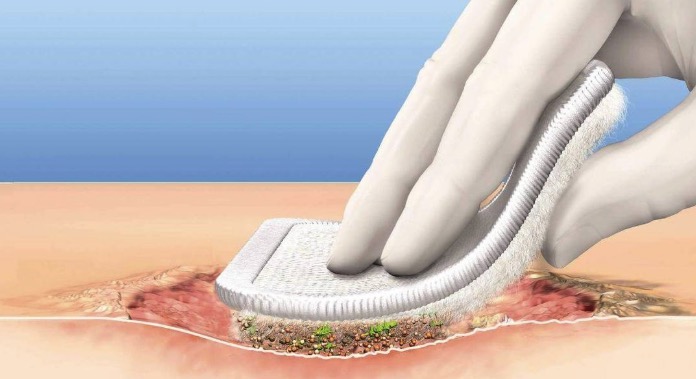
Decompression is fundamental. Bedridden elderly patients should be turned over at least every two hours, with their heels suspended in the air and bony prominences cushioned with foam dressings. Clean the wound with saline solution, avoiding direct irritation from alcohol and hydrogen peroxide. Choose dressings based on the amount of exudate: hydrocolloid for small amounts, foam for moderate amounts, and alginate with an outer layer of foam for large amounts or cavities. Do not change dressings daily; frequent removal of dressings when exudate is minimal can tear away new tissue. Keep the surrounding skin dry and avoid soaking in urine and feces. Take photos daily to record the area, exudate, and surrounding skin. If the wound does not shrink after two weeks or if redness, swelling, enlargement, odor, or fever develops, seek medical attention immediately. Slow wound healing in the elderly is the result of multiple factors. By properly managing nutrition, irrigation, decompression, infection control, and dressing management, most wounds can still heal steadily; however, more patience and closer observation are required. For more information on Innomed®Silicone Foam Dressing, refer to the Previous Articles. If you have customized needs, you are welcome to contact us; You Wholeheartedly. At long-term medical, we transform this data by Innovating and Developing Products that Make Life easier for those who need loving care.
Editor: kiki Jia


