
 English
 عربى
عربى Español
 русский
 中文简体
中文简体






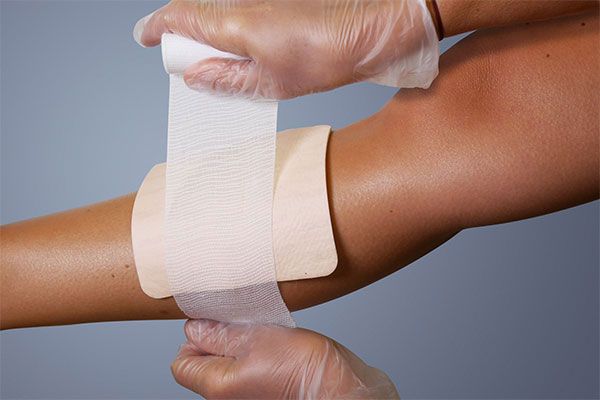
When changing dressings, a layer of gauze is first placed on the wound, followed by an alginate dressing, then a foam dressing, and finally secured with tape or bandage. This multi-layered approach is quite common in home care and some primary care dressing changes. Many people worry that covering the wound with so many layers will make it too stuffy, resulting in insufficient local oxygen and affecting granulation tissue growth. This issue needs to be analyzed from several aspects, including the oxygen permeability of the dressing itself, the way the wound requires oxygen for healing, and the actual impact of the multi-layered structure on gas exchange. It cannot be simply assumed that more layers necessarily mean oxygen deficiency.
Where does the oxygen needed for wound healing come from?
The oxygen supply to wound tissue primarily comes from hemoglobin transported in the bloodstream, diffusing through capillaries into the wound bed and being utilized by fibroblasts, endothelial cells, and immune cells. The proportion of airborne oxygen directly penetrating the wound through dressings is extremely limited. Normal, intact skin absorbs negligible amounts of oxygen directly from the air. Although open wounds are in direct contact with air, the diffusion distance of oxygen from the air to deeper tissues is very short. The local microcirculation is the true determinant of wound oxygenation. Therefore, as long as local capillary perfusion is normal, and hemoglobin concentration and oxygen saturation are within normal ranges, the number of dressing layers does not substantially affect the core source of oxygen supply to the wound tissue. Conversely, if local blood vessels are compressed or blocked, or if the patient has severe anemia and hypoxemia, tissue hypoxia will still occur even if the wound is completely uncovered and exposed to air. Linking wound healing directly to breathing air is a common misconception.
What are the differences in gas permeability among different dressings?
The gas permeability of dressings depends primarily on the backing material and structural design. Polyurethane films and foam dressings typically have a semi-permeable outer layer, allowing water vapor and oxygen molecules to pass through while blocking liquid water and bacteria. Even with a large application area, these dressings do not completely block gas exchange. Hydrocolloid dressings, composed of hydrophilic colloidal particles and a polyurethane film, have a relatively lower oxygen permeability than films and foam dressings, but still maintain a certain level of gas passage. Vaseline gauze and paraffin gauze have poor gas permeability and strong sealing effects, but are usually only used as an anti-adhesion layer in direct contact with the wound, not the main component of a multi-layered structure. What truly needs attention is the use of completely airtight materials in multi-layered dressings, such as applying a layer of ordinary sealing bag or plastic film over a foam dressing. The addition of such an airtight layer completely blocks gas permeation, creating a closed, oxygen-deficient environment on the wound. This should not occur in standard dressing practices.
What does the actual effect of multi-layer dressings on local oxygenation depend on?
The impact of multi-layered dressings on the local wound environment is more about temperature and humidity management than oxygen deprivation. Multiple layers increase the total thickness of the dressing, reducing heat and moisture loss from the wound surface, resulting in a slightly higher local temperature and maintained humidity levels compared to a single-layer dressing. A warm and humid environment is generally beneficial for cell migration and autolytic debridement, but excessive humidity can cause maceration of the surrounding skin. Local blood perfusion will be reduced and tissue oxygen supply will be truly affected if one layer of the multi-layered dressing uses a poorly breathable material, or if the bandage is too tight and compresses the capillary network around the wound. A more practical indicator of whether dressing layering affects wound oxygen supply is the condition of the wound and surrounding skin. If the granulation tissue is reddish after removing the dressing and the surrounding skin is not whitish or macerated, the current gas exchange and humidity levels are within acceptable ranges. If the granulation tissue turns darker, the wound emits a sour odor, and the surrounding skin is pale and edematous, it suggests that the dressing combination may need simplification and adjustment.
In what situations are multiple layers of dressings more beneficial than a single layer?
The significance of multi-layer dressings lies in allowing each layer to perform a different function: the contact layer prevents adhesion, the absorbent layer manages exudate, and the outer layer blocks contamination and provides fixation. This division of labor is more effective than a single thick gauze in wounds with moderate to heavy exudate. While a single layer of gauze is thin and breathable, its exudate management ability is poor, and it quickly becomes saturated, creating a pathway for bacteria. In a multi-layer structure, as long as each layer uses a dressing product with appropriate breathability, the overall thickness limits oxygen exchange within a clinically acceptable range and will not slow down granulation tissue growth. The key operational principle is to avoid blindly adding layers with the same function, such as adding several layers of gauze after using a highly absorbent foam dressing, or continuing to use a combination of alginate and foam dressings on wounds with minimal exudate. Too many layers do not lead to hypoxia but rather to excessive moisture and an increased risk of skin maceration. Each time the dressing is changed, the necessity of the dressing layers should be reassessed based on the amount of exudate and the condition of the wound. Removing excess layers promptly is more important than worrying about whether the dressing allows the wound to breathe. For more information on Innomed® Alginate Dressing, refer to the Previous Articles. If you have customized needs, you are welcome to contact us; You Wholeheartedly. At longterm medical, we transform this data by innovating and developing products that make life easier for those who need loving care.
Editor: kiki Jia


