
 English
 عربى
عربى Español
 русский
 中文简体
中文简体





Many people notice a pattern after consecutive all-nighters: acne breakouts aren't evenly distributed, but rather concentrated on the chin, jawline, and even the upper neck. The skin in these areas seems to react more severely to sleep deprivation than other areas. This selective acne is not a coincidence; it's directly related to the unique receptor distribution, hormone metabolism characteristics, and sensitivity of the pilosebaceous unit to stress-related hormones in the jawline area. Understanding this mechanism helps explain why treating jawline breakouts after staying up late cannot simply be done using the same methods as for forehead or cheek acne.
What are the special characteristics of the skin and hormone receptors in the mandibular region?
Different areas of the skin are not uniformly sensitive to androgens. The activity of pentaalpha reductase within sebaceous gland cells varies across different facial areas. Sebaceous gland units in the jawline and chin have a stronger ability to convert potent androgens such as dihydrotestosterone (DHT), while the forehead and cheeks are relatively less sensitive. Staying up late and sleep deprivation disrupt the circadian rhythm of the hypothalamic-pituitary-adrenal axis, increasing the secretion of cortisol and adrenal-derived androgen precursors. These hormone precursors are converted into active androgens by pentaalpha reductase within sebaceous gland cells, directly stimulating sebaceous gland hyperplasia and excessive secretion. Because of the high pentaalpha reductase activity in the jawline, the local androgenic effect is amplified under the same hormonal fluctuations, leading to a rapid surge in sebum secretion and a rapidly increasing risk of clogged hair follicles. This is the endocrine basis for the concentration of acne in the jawline after staying up late.
How does staying up late cause stress hormones to push the hair follicles on the jawline towards inflammation?
Sleep deprivation is not just a matter of fatigue; it's a clear stressor for the skin. After staying up late, cortisol levels rise. Cortisol directly promotes sebum secretion and, by upregulating keratinocyte proliferation in the follicular infundibulum, narrows the follicular opening, obstructing sebum excretion and forming microcomedones. The anaerobic environment inside microcomedones is ideal for the proliferation of Propionibacterium acnes. The bacteria break down sebum, producing free fatty acids that trigger an inflammatory cascade, leading to the formation of red, swollen pimples. The skin on the jawline is thinner than on the cheeks but thicker than around the eyes. Hair follicles are deep within the jawline and closely attached to the platysma and facial muscles. Frequent talking, chewing, and facial expressions on the jawline repeatedly subject the tissue around the follicles to mechanical traction. Once inflammation is initiated, it spreads more easily to deeper areas, resulting in red, swollen nodules that are often harder, more painful, and slower to heal than those on the cheeks. After staying up late, many people unconsciously rest their chin on their hands. The bacteria on their fingers and the pressure applied to the jawline skin further aggravate folliculitis.
Why do I get pimples on my jawline after staying up late?
Women often experience acne on their chin before their menstrual cycle, and many confuse breakouts on the jawline after staying up late with premenstrual acne. While their locations are similar, their underlying mechanisms differ. Premenstrual acne is primarily driven by changes in the ratio of progesterone to estrogen during the luteal phase. Under the influence of progesterone, the sebaceous gland ducts undergo hyperkeratosis, while the relative dominance of androgens increases sebum secretion. Breakouts on the jawline after staying up late are primarily driven by stress axis activation and cortisol rhythm disruption, and are not directly related to the menstrual cycle. If someone who has never had jawline acne suddenly develops large patches of inflammatory papules on their jawline after consecutive all-nighters, without similar symptoms during previous menstrual cycles, staying up late can be considered the main trigger. Both conditions share the characteristic of increased local androgen activity, so topical medications targeting androgen receptor sensitivity, such as benzoyl peroxide and azelaic acid, may be effective in both cases. However, premenstrual acne has a clear cyclical pattern, while breakouts after staying up late usually resolve on their own once sleep patterns return to normal.
How can I minimize scarring after a breakout of pimples on my jawline?
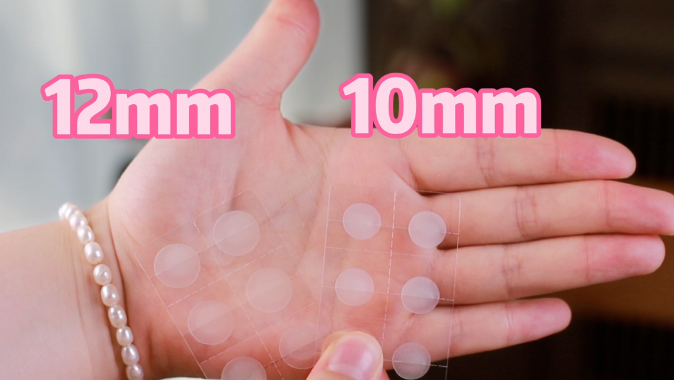
Two issues require special attention when caring for acne on the jawline: slow inflammation resolution and significant post-inflammatory hyperpigmentation. For the inflammatory phase, apply benzoyl peroxide gel topically to inflamed papules and pustules. While the skin on the jawline generally tolerates this medication well, it's essential to start with a low concentration and strictly limit application to the affected area. Extensive application can irritate the jawline, leading to patchy erythema and desquamation. Azelaic acid cream is effective against both inflammation and hyperpigmentation. Once the inflammation and swelling have subsided, it can be applied twice daily, morning and evening, to the entire jawline to reduce the extent of post-inflammatory hyperpigmentation. Restoring sleep is a more fundamental intervention than any topical medication. Even if a regular sleep schedule is temporarily disrupted, try to make up for lost sleep. The hormonal effects of sleep deprivation will significantly decrease after several days of continuous, sufficient sleep. In terms of diet, staying up late slows down gastrointestinal motility, and the intake of high-sugar and high-fat foods often increases simultaneously. These foods aggravate sebum secretion through the insulin-like growth factor pathway. The jawline is also sensitive to this metabolic fluctuation, so during breakouts after staying up late, you should actively reduce your intake of refined carbohydrates and dairy products. Squeezing jawline pimples is strictly prohibited. There is communication between the veins in this area and the cavernous sinus in the brain. Squeezing inflammatory pimples may cause infectious substances to flow back into the intracranial venous system. Although the incidence is low, the consequences are serious. The prohibition against squeezing the danger triangle of the face also applies to the jawline. In addition to light cleansing and gentle moisturizing, break the habit of repeatedly touching your jawline after staying up late. Finger contact is a major factor that causes many jawline pimples to grow from a few to large patches. For more information on Innomed® Acne Plaster, refer to the Previous Articles. If you have customized needs, you are welcome to contact us; You Wholeheartedly. At long-term medical, we transform this data by innovating and developing products that make life easier for those who need loving care.
Editor: kiki Jia


