
 English
 عربى
عربى Español
 русский
 中文简体
中文简体






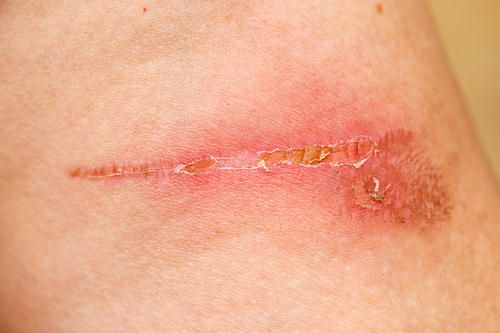
When changing the dressing, it was discovered that the epithelium at the wound edge wasn't healing, leaving a red, exposed base. The wound was still the same size as it was two weeks ago, which is indeed worrying. Many people's first thought is that it might be a nutritional deficiency, with zinc often being the first thing that comes to mind. This idea has some merit, but careful consideration is needed.
What role does zinc play in the epithelialization process?
Zinc is an essential trace element for the human body, ranking third in abundance in the skin after the liver and muscles. Its role in wound healing is indeed directly related to epithelialization. Zinc is a cofactor for approximately 300 enzymes and over 3,000 proteins, participating in DNA synthesis, cell division, and antioxidant defense. Specifically in the epithelialization process, zinc can influence the expression of integrins on the surface of keratinocytes. In vitro studies have found that zinc supplementation can induce keratinocytes to express α3, α6, and αV integrins, which are closely related to cell migration, thereby enhancing the ability of epidermal cells to migrate towards the center of the wound. Simultaneously, zinc can also protect epithelial cells from damage by free radicals and bacterial toxins through the antioxidant effects of metallothionein, reducing cell apoptosis.
Zinc deficiency can indeed slow down epithelialization, but not that many people are zinc deficient.
Both hereditary zinc deficiency and acquired zinc deficiency due to severe malnutrition can manifest as skin lesions and delayed wound healing. Severe cases can even present with extensive epidermal necrosis similar to Stevens-Johnson syndrome, which improves rapidly after zinc supplementation. However, the problem is that the number of clinically diagnosed zinc-deficient patients is not as high as many people imagine. A healthy adult needs approximately 8 to 15 milligrams of zinc daily, which can be met by a normal diet. High-protein foods such as meat, seafood, and eggs are rich in zinc. Unless there is a long-term strict vegetarian diet, malabsorption syndrome, extensive burns, or long-term parenteral nutrition, significant zinc deficiency is generally uncommon.
Whether zinc supplementation is effective for epithelial stasis depends on the specific situation.
This question has been answered relatively clearly in the academic community. Oral zinc supplementation does help patients with chronic ulcers who are zinc deficient, especially those with leg ulcers, as it accelerates healing. However, for people who are not zinc deficient, oral zinc sulfate may actually delay re-epithelialization. An animal experiment observed that oral zinc supplementation slowed down the re-epithelialization process in rats that were not zinc deficient. Clinical studies have also indicated that zinc supplementation is only effective when serum zinc levels are below a certain threshold; for patients with normal zinc levels, additional zinc supplementation provides no additional benefit.
Topical zinc application deserves more attention than oral administration.
Many people focus solely on oral zinc supplementation, neglecting the more direct approach of topical application. Topical zinc preparations have a long history in wound care; zinc oxide ointment is a classic example. Topical zinc application offers several advantages. First, zinc ions can directly act on the wound surface, promoting epithelial cell migration and collagen synthesis without requiring intestinal absorption or blood transport. Second, topical zinc preparations also have astringent and anti-infective effects, reducing wound exudation and inhibiting bacterial growth. Third, for individuals with normal serum zinc levels, topical zinc can still stimulate epithelialization, a benefit superior to oral administration. Recent advancements in dressings also utilize this principle, such as incorporating zinc ions into alginate hydrogels or nanofiber membranes to achieve sustained zinc ion release, promoting angiogenesis and collagen deposition.
What causes need to be investigated when epithelialization stops?
When epithelialization stalls, zinc deficiency is just one of many possible causes, and not the most common one. In clinical management of chronic wounds, the following issues should be prioritized: Is there biofilm or necrotic tissue residue at the wound base? Without cleaning these, epithelial cells have no place to settle. Is there infection around the wound? Low-grade infection may not manifest as redness, swelling, heat, or pain, but it is sufficient to inhibit epithelial growth. Is the wound dry or macerated? Epithelial cell migration requires a moderately moist environment; too dry or too wet is detrimental. Regarding systemic factors, whether blood sugar control is adequate, and whether there is anemia or hypoproteinemia, often have a greater impact on epithelialization than zinc deficiency. If epithelialization stalls after addressing these factors, then consider testing serum zinc levels. Supplement only if zinc deficiency is confirmed; otherwise, do not supplement. A rule of thumb is that addressing local biofilm and infection issues first is often more effective than zinc supplementation. If there are no signs of epithelialization after more than two weeks of local treatment, then consider testing blood zinc, iron, and albumin levels to find the cause from a systemic nutritional perspective. For more information on Innomed® Silicone Foam Dressing, refer to the Previous Articles. If you have customized needs, you are welcome to contact us; You Wholeheartedly. At long-term medical, we transform this data by innovating and developing products that make life easier for those who need loving care.
Editor: kiki Jia


