
 English
 عربى
 Español
 русский
 中文简体






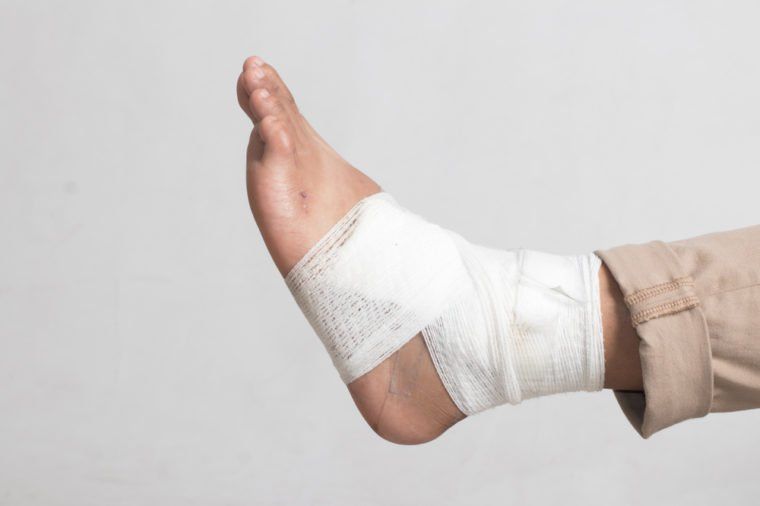
When the weather gets dry, many diabetic patients start to crack their heels. Buying a box of heel patches from the pharmacy and applying them seems convenient and easy—it sounds like there's no problem. But for diabetic patients' feet, any "small wound" is not a small matter. Whether to apply them and how to apply them needs to be carefully considered first.
Why should diabetic patients be extra careful about cracked heels?
For most people, a cracked heel will heal on its own after a few days of pain. But for diabetics, the feet face a triple blow.
The first layer is neuropathy: long-term high blood sugar damages peripheral nerves, leading to dulled sensation in the feet. As cracks deepen and become infected, pain may go unnoticed—pain is the body's best warning signal, but for diabetics, it's often silent. The second layer is vascular disease: poor blood supply to the lower limbs prevents nutrients from reaching the wound, causing it to heal much slower than normal. The third layer is the high blood sugar environment itself: high blood sugar promotes rapid bacterial growth, and a 2mm crack can develop into a deep ulcer within weeks.
That's why endocrinologists always repeatedly tell you to check your feet every day.
First, conduct a satisfactory self-check.
Before applying heel tape, check the crack according to these points: Find a well-lit place; if you can't see clearly, ask a family member for help, or take a picture with your phone and zoom in. How deep is the crack? Is there any oozing, and what color is it? Is the area around the crack red and swollen? Is there any odor? Are the temperature and color of both feet symmetrical?
If any of the following symptoms appear: redness, swelling, yellow oozing, unusual odor, or darkening of the skin, do not attempt to treat it yourself; seek immediate medical attention. This is not an overreaction; it is a fundamental rule of wound management for diabetic patients.
In what situations can you take care of yourself at home?
Superficial, dry chapped feet with normal surrounding skin color can be treated at home. The steps are as follows: Soak your feet in warm water to soften the calluses. The water temperature must be below 37 degrees Celsius. Test the water temperature with your elbow or a thermometer; never test it with your foot—people with less sensitive feet are more likely to burn themselves. After soaking, thoroughly dry your feet, especially between the toes. Apply a non-irritating moisturizing cream around the cracks, being careful not to apply it deep into the cracks or between the toes, as dampness in these areas can easily lead to fungal growth. Finally, apply a heel patch to cover the cracks.
When choosing heel pads, hydrocolloid or silicone gel materials are more suitable: they seal in moisture, allowing the cracks to heal in a humid environment without forming hard scabs, while also preventing the cracks from being repeatedly pulled and deepening when walking.
Is it all done after you put it on?
No. Check the cracks once a day, and continue if there are signs of improvement. If there is no improvement after 24 to 48 hours, or if the skin becomes macerated and white, or the area around the cracks becomes red, discontinue use and seek medical attention.
If your blood sugar is not well controlled, any wound on your foot, no matter how small, should be examined by a professional before you try to treat it yourself. This is worth repeating because the worst outcomes of diabetic foot often start with a small wound that looks harmless.
Daily routines are more important than what you put on.
Cracks are the result, prevention is the cause. Checking your feet daily, emptying your shoes for foreign objects before wearing them, not walking barefoot, trimming your toenails straight down rather than too short, drying your toes after washing your feet, and consistently applying moisturizing cream during dry seasons—these seemingly insignificant habits are more effective at protecting your feet than any heel patch.
For diabetic patients' feet, the best treatment is always to prevent wounds from ever forming.
For more information on Innomed®Silicone Foam Dressing, Refer to the Previous Articles. If you have customized needs, you are welcome to contact us; You Wholeheartedly. At longterm medical, we transform this data by Innovating and Developing Products that Make Life easier for those who need loving care.
Editor: kiki Jia


