
 English
 عربى
عربى Español
 русский
 中文简体
中文简体






Patients with foot wounds, especially those recovering from diabetic foot, paronychia surgery, or secondary infections of tinea pedis, often use the same towel to dry their feet during dressing changes and daily cleaning. Many people, when their wounds fail to heal or infections recur after initial improvement, rarely consider that the problem might lie with the towel they use daily. After use, the towel remains damp, allowing shed epithelial cells and bacteria from the skin's surface to accumulate between the cotton fibers. If there are open wounds or skin abrasions on the feet, using an unsterilized towel again can directly inoculate these bacteria onto the wounds or broken skin, creating a new source of infection. This reinoculation mechanism is a hidden but real factor contributing to recurrent foot infections.
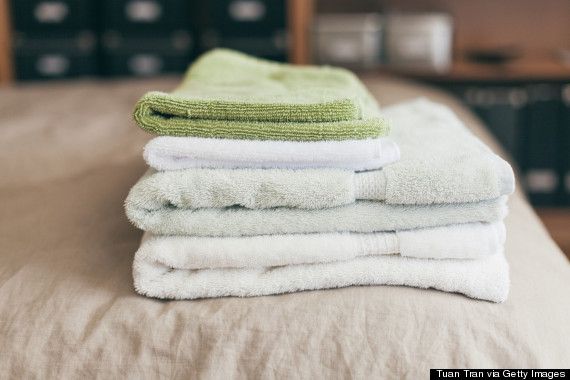
How many bacteria can survive on a damp towel?
Cotton towels remain highly moist for hours after use, and their fibrous network provides bacteria with a large surface area and abundant organic nutrients. Common skin bacteria such as Staphylococcus aureus, Staphylococcus epidermidis, and various Enterobacteriaceae can survive and multiply on damp towels. A microbiological survey of household towels in Japan showed that after one day of use, the number of bacteria per square centimeter on towels could reach hundreds of thousands to millions of colony-forming units, and after two days of use, the total bacterial count in some samples was comparable to that of household dishcloths. Among the Staphylococcus aureus detected on towels were strains resistant to multiple antibiotics; these strains originated from colonization on the user's own skin or cross-transmission among family members. For users with broken skin on their feet, bacteria can bypass the skin barrier and directly enter the tissue through direct contact with the broken skin via the towel; this route of inoculation is far more efficient than indirect transmission through the air or contact with environmental surfaces.
Are fungi on towels more troublesome than bacteria?
A significant portion of foot infections are fungal, especially tinea pedis and onychomycosis. Fungi such as Trichophyton rubrum, Trichophyton mentagrophytes, and Candida albicans have stronger survival rates in towel fibers than most bacteria, and their spores are more tolerant of dryness. Even after a towel contaminated with fungus has completely dried, the fungal reproductive structures can survive for weeks and become active again upon re-exposure to a damp environment. Sharing towels among family members is a typical route for the spread of tinea pedis within households, and the homology of fungal strains among members using the same towel has been repeatedly confirmed in molecular epidemiological studies. For patients with macerated and eroded interdigital skin due to tinea pedis, scratching creates tiny fissures in the skin, allowing fungi from the towel to directly colonize the dermis and cause secondary infections. Clinically, this manifests as redness, swelling, oozing, and pain between the toes, which differs from simple eczematous tinea pedis and requires a combination of antifungal and antibacterial treatment for control.
How should foot towels be cleaned and disinfected effectively?
Effective disinfection requires a washing method that significantly reduces the number of microorganisms. Simply washing towels with cold water and regular soap has limited effect on bacteria removal and is negligible against fungal spores. The recommended practice is to thoroughly wash towels in warm water with soap or laundry detergent after each use, then hang them in a well-ventilated location with sunlight to dry. The drying process itself inhibits the continued growth of most bacteria, but it is still not thorough against fungal spores. Every two to three days, soak foot towels in hot water at a temperature above 60 degrees Celsius for 10 to 15 minutes. This condition can kill most vegetative bacteria and some fungi. If a family member has athlete's foot or foot infections, towel disinfection should be upgraded to boiling for 10 minutes daily or soaking in a diluted chlorine-based disinfectant solution for 30 minutes before regular washing. After soaking, the disinfectant solution must be thoroughly rinsed to remove any residue, as chlorine-based disinfectant residue can irritate the skin. Microwave heating has some disinfecting effect on pure cotton towels, but it is important to note that the towels must be wet before heating; dry towels may overheat and catch fire in a microwave. Ultraviolet disinfection cabinets and high-temperature programs on washing machines with drying functions can also be used as alternatives for daily disinfection, but it is necessary to confirm whether the actual temperature and duration reached by the equipment meet the disinfection requirements.
How can patients with foot wounds use towels to break the chain of reinfection?
The most effective method is to change how you use towels, rather than simply increasing the frequency of disinfection. When you have wounds or broken skin on your feet, avoid directly wiping the wound area and between your toes with a towel. After cleaning, gently pat dry with a disposable non-woven cloth or sterile gauze, and discard after use. If you still need to use a towel to wipe other healthy areas of your feet, prepare two towels of different colors for separate use. One should be used to wipe healthy skin, and the other specifically for the non-broken areas around the wound. Hang the two towels separately to prevent cross-contamination. The frequency of towel replacement is more crucial than disinfection. It is recommended that patients with foot wounds change and wash their towels daily. Cotton towels used for more than a month gradually loosen their fiber structure, making it more difficult to remove the biofilm of microorganisms accumulated between the fibers through ordinary washing. Consider shortening the towel's lifespan. Family members should absolutely not share towels. Sharing towels is a significant way for bacteria and fungal strains to exchange within the family, especially if someone in the family has a history of athlete's foot or diabetic foot. The risk of cross-infection from this sharing is no less than that from sharing nail clippers or slippers. After washing, towels should be stored in a dry, well-ventilated place. Avoid folding them in damp corners of the bathroom or hanging them on poorly ventilated towel racks. A dry environment is more effective than any disinfectant in inhibiting the survival and reproduction of microorganisms in the fibers. For more information on Innomed® Super Absorbent Dressing, refer to the Previous Articles. If you have customized needs, you are welcome to contact us; You Wholeheartedly. At long-term medical, we transform this data by innovating and developing products that make life easier for those who need loving care.
Editor: kiki Jia


