
 English
 عربى
عربى Español
 русский
 中文简体
中文简体






Silver-containing dressings are widely used in the treatment of infected and chronic wounds. Silver ions, with their multi-target attack mechanism against bacterial cell membranes, respiratory chain enzymes, and DNA, have long been considered extremely difficult to induce antibiotic resistance in bacteria. However, with the extended use and expanded application of silver-containing dressings, some noteworthy phenomena have emerged in clinical observations and laboratory studies. Some bacteria have shown a trend of increased survival ability after repeated exposure to low concentrations of silver ions. This issue has attracted attention in the field of wound care. Answering the question of whether bacteria develop resistance to silver requires analysis from two levels: the bactericidal mechanism of silver and the stress adaptation mechanism of bacteria, rather than simply applying the concept of antibiotic resistance.
How does the bactericidal mechanism of silver ions differ from that of antibiotics?
Antibiotics typically target a single site on bacteria; for example, penicillin inhibits cell wall synthases, and quinolones inhibit DNA gyrase. Bacteria only need a single gene mutation at this target site to acquire resistance. Silver ions attack in a completely different way. Once inside the bacterial cell, silver ions act simultaneously on multiple key structures, including binding to sulfur-containing proteins on the cell membrane to disrupt membrane integrity, binding to iron-sulfur clusters in the respiratory chain to interfere with energy metabolism, embedding between DNA base pairs to prevent replication and transcription, and inducing excessive reactive oxygen species, causing oxidative damage. This multi-target simultaneous attack means that for bacteria to acquire complete resistance, mutations in multiple unrelated genes must occur simultaneously, a probability that is extremely low. This is the fundamental reason why silver preparations, used in medicine for decades, have not experienced the large-scale failure seen with antibiotic resistance.
What is the silver tolerance phenomenon observed in the laboratory?
While comprehensive resistance is rare, enhanced tolerance has indeed been observed in bacteria after repeated exposure to sublethal concentrations of silver ions in laboratory studies and some clinical isolates. This tolerance mechanism differs from classic resistance gene mutations; bacteria primarily counteract silver toxicity by activating a series of stress response genes, including upregulating the silver ion efflux pump system to actively pump intracellular silver ions out, synthesizing more extracellular polysaccharide matrix to isolate silver ions outside the cell, and enhancing the antioxidant system to scavenge silver-induced reactive oxygen species. These stress responses are characterized by phenotypic adaptation rather than stably inherited gene mutations; once the silver ion pressure is removed, the bacterial tolerance level gradually returns to baseline. Another factor requiring attention is the presence of bacterial biofilms. Bacteria in chronic wounds rarely exist in a free state; the vast majority are embedded in the extracellular polysaccharide matrix they secrete, forming a biofilm. The polymer network on the outer layer of the biofilm has a strong adsorption and blocking effect on silver ions, so that the actual concentration of silver that the bacteria inside the biofilm come into contact with is much lower than the concentration released by the dressing. This structural protection is more common than drug resistance at the genetic level, and it is also the main reason why silver-containing dressings are less effective when used in clinical practice for biofilm-infected wounds.
How long should silver-containing dressings be used continuously?
Currently, there are no universally accepted regulations, but the general consensus in wound care is that silver-containing dressings are suitable for short-term use when infection is clearly present. It is generally recommended that continuous use not exceed two to four weeks, and that infection signs be reassessed at each dressing change to ensure control. If, after two weeks, the wound infection symptoms such as purulent exudate, surrounding redness and swelling, and odor do not significantly improve, continuing to use the same type of silver-containing dressing is no longer meaningful, and bacterial culture should be repeated and the anti-infection regimen adjusted. If infection signs subside and the wound enters the granulation tissue growth stage, silver-containing dressings should be discontinued and replaced with ordinary moist wound dressings. This is because silver ions also have an inhibitory effect on proliferating fibroblasts and keratinocytes, and prolonged exposure to silver-containing dressings may slow down granulation and epithelialization. In wounds with high bacterial load and deep infection or osteomyelitis, silver ion dressings should only be used as an adjunct to systemic anti-infection treatment, not a replacement; deep infections should not be expected to be resolved solely by dressings. Before using silver-containing dressings in home care, it is best to have a professional assess the wound type and degree of infection. Self-diagnosis of infection followed by long-term continuous use of silver-containing dressings without bacteriological examination may mask the true changes in pathogens and drug resistance.
How can we reduce the risk of developing silver tolerance?
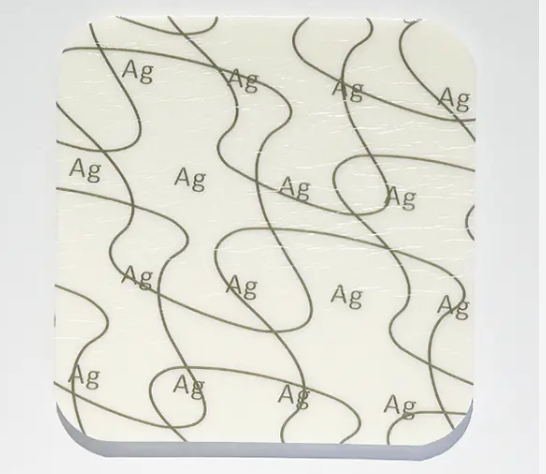
The practical principle for reducing silver tolerance is to ensure that wound tissue receives a sufficiently high effective silver concentration when necessary, rather than continuously exposing it to low concentrations of silver ions when unnecessary. Choosing a silver-containing dressing with a reasonable release profile is more important than simply pursuing a high silver content. Too rapid a release leads to peak silver concentrations exceeding safe limits, while too slow a release keeps bacteria under sub-lethal concentrations for extended periods, creating a breeding ground for tolerance. Do not cut silver-containing dressings too small for complete coverage; bacteria in uncovered areas will continue to proliferate and recolonize previously treated wound areas. Do not deliberately extend the interval between silver-containing dressing changes to save costs. Silver ions on the dressing are gradually released and consumed after absorbing exudate; after exceeding the product's recommended maximum usage time, the effective silver concentration decreases, and continuing to apply the dressing provides bacteria with a training environment of low-concentration silver exposure. During the use of silver-containing dressings for chronic wounds, regular wound bacterial cultures should be performed to understand changes in the types and quantities of pathogens. If necessary, the antimicrobial material should be changed based on the culture results, rather than using the same silver-containing dressing from start to finish. Properly applied silver ion dressings are a local antibacterial tool during the infection phase of a wound. Use within the correct time window can significantly reduce bacterial load and create conditions for granulation tissue growth. However, continued use after the infection phase yields diminishing returns and may introduce unnecessary risks. For more information on Innomed® Silver Ion Dressing Foam, refer to the Previous Articles. If you have customized needs, you are welcome to contact us; You Wholeheartedly. At long-term medical, we transform this data by innovating and developing products that make life easier for those who need loving care.
Editor: kiki Jia


