
 English
 عربى
 Español
 русский
 中文简体





Removing dressings is a hidden nightmare for many wounded soldiers. Especially gauze and ordinary foam dressings, which, after the exudate dries, stick to the wound, and the pain of peeling them off brings scabs and skin off together, making people gasp in pain. Some people even prefer to change dressings less often—but less dressing change is bad news for wound healing.
Silicone gel foam dressings were developed to solve this problem. How can they achieve the effect of "not sticking to the skin after removal"?
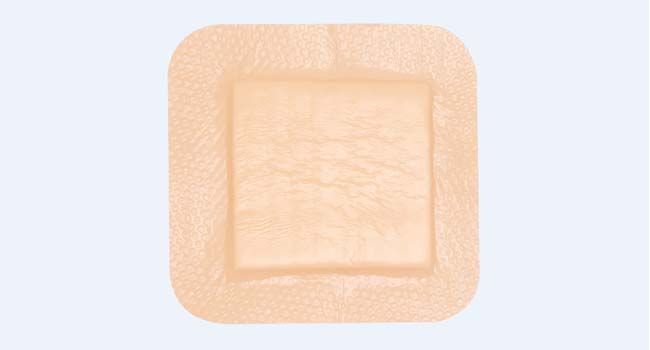
What kind of material is silica gel?
Silicone gel is a soft gel layer formed by the cross-linking of liquid silicone. Its most prominent feature is its "low surface energy"—in layman's terms, its adhesion to the skin is a light, draping rather than a firm, gripping adhesion. This adhesion is sufficient to hold the dressing in place on the skin without getting into the crevices of the wound or reacting with exudated proteins.
Ordinary acrylic adhesives take a different approach: they "weld" to the skin using strong intermolecular forces, adhering firmly, but at the cost of causing considerable pulling on the skin and wounds when removed.
Why doesn't it stick to the wound bed?
The key is that silicone gel "only adheres to dry, intact skin." The wound surface is always moist, with exudate and new tissue, and the silicone gel layer has almost no adhesion to this moist surface—it can't hold on, so it won't take away granulation tissue and newly formed epithelial cells when it's removed.
Newly formed capillaries and epithelial cells are very delicate and can be easily torn by ordinary adhesives, resulting in bleeding, scab formation, and regrowth in a recurring cycle. Silicone gel bypasses this problem: it gently adheres to the skin side but not to the wound side, and when removed, the wound remains exactly as it was.
Is pain really just a matter of comfort?
It's not just that. Every time dressing is changed, bleeding occurs and new tissue is torn away, which is like dismantling and rebuilding a "construction site" that's only half-finished, significantly prolonging the healing time. In medicine, this has a specific term: dressing-related adhesive injury. Pediatricians, burn specialists, and geriatricians pay particular attention to this because the skin of these groups is either delicate or fragile and cannot withstand repeated trauma.
For wounds that require frequent dressing changes, choosing a non-stick dressing is itself part of the treatment.
What kind of people are particularly suitable to use it?
Several groups of people are practically tailor-made for it: elderly people with thin skin, those who use hormones long-term, diabetics, or those who are bedridden for a long time; patients with chronic wounds who need frequent dressing changes; and children—who cry every time ordinary dressings are removed, while the gentle removal of silicone gel is a relief for both parents and children. In addition, the foam layer itself also has a cushioning and pressure-reducing effect, making it suitable for pressure sores and wounds on bony prominences, providing coverage and protection in one step.
Is it worth the higher price?
A simple calculation will make it clear. Regular dressings are cheap, but if each dressing change causes pain, bleeding, and tearing of new tissue, the healing period is prolonged, resulting in more dressing changes, without factoring in the pain and risks. Silicone gel foam dressings are more expensive per unit, but when spread over the entire healing period, they may not be more expensive—not to mention saving on the sweat and effort required for daily dressing changes.
For more information on Innomed®Silicone Foam Dressing, Refer to the Previous Articles. If you have customized needs, you are welcome to contact us; You Wholeheartedly. At longterm medical, we transform this data by Innovating and Developing Products that Make Life easier for those who need loving care.
Editor: kiki Jia


