
 English
 عربى
عربى Español
 русский
 中文简体
中文简体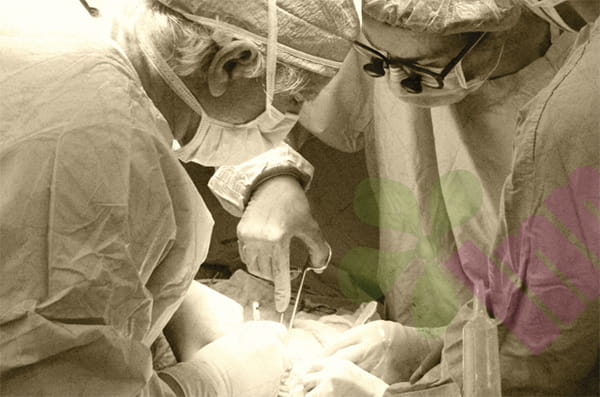






After surgery, a soft lump may appear near the incision. Many people think that simply draining it will solve the problem. This lump is called a seroma, which is a cavity left after subcutaneous tissue removal where lymphatic fluid or tissue exudate has accumulated. While aspiration may seem to provide immediate relief, the effect often doesn't last more than a few days, and the fluid quickly re-accumulates. The reason is simple: aspiration only drains the fluid; the cavity where the fluid is stored remains. More problematic is that each aspiration leaves a needle puncture in the skin, a tiny channel directly connecting the outside to the previously sterile fluid cavity. Bacteria on the skin surface can easily enter through this puncture. Once bacteria proliferate in the seroma, the clear, transparent fluid turns into cloudy pus, leading to deep infections or even cellulitis. Many chronic sinus tracts that are difficult to heal in clinical practice develop this way, initially caused by secondary infections from repeated aspirations. Therefore, for seromas without obvious signs of infection or pain that interferes with rest, aspiration should be avoided whenever possible.
What can functional wound dressings do?
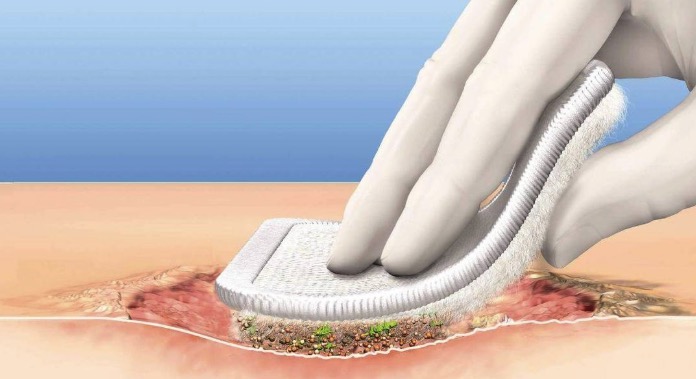
The key to managing seromas lies in eliminating cavities, not repeated drainage. This involves a type of functional wound dressing called tension-reducing dressings. These dressings are applied perpendicular to the surgical incision, continuously applying a uniform tension that allows the surgically removed subcutaneous tissue to reattach to the deeper fascia. The cavity closes, there's no space for fluid accumulation, and the fluid is absorbed and dissipated by the surrounding tissue. These tension-reducing dressings are completely different from ordinary medical tape; ordinary tape lacks sufficient tensile strength. Truly effective dressings are those with a thickness of about 0.5 mm and a highly elastic fiber layer. They are typically left on for three to seven days without changing; frequent tearing can interfere with tissue adhesion. Besides tension-reducing dressings, there are also functional dressings called polyurethane foam dressings. Their function is to absorb small amounts of exudate while providing cushioning pressure, and they can be used as an adjunct to tension-reducing dressings, layered over them. However, it's important to note that foam dressings themselves do not have the ability to close cavities, so they cannot be used alone to treat seromas.
Besides dressings, what other treatments can be done?
After applying tension-reducing dressings, several additional procedures can enhance the effect. Pressure bandaging is the most basic approach. Place a folded gauze or sponge pad on the seroma surface, secure it with an elastic bandage, and apply even, consistent pressure, avoiding sudden changes in tightness or looseness. Appropriate pressure is determined by the absence of purplish discoloration of the local skin and unbearable stinging pain. If the seroma is large and painful, a puncture for decompression can be considered, but only this one time. After the puncture, the cavity must be immediately sealed with tension-reducing dressings and pressure bandages, and the puncture site must be protected with sterile dressings for at least 48 hours. Regarding medication, short-term oral administration of drugs like Daflon or Diosmin to improve lymphatic drainage can help accelerate fluid absorption. Patient self-management is also crucial. Avoid strenuous activity on the affected limb for two weeks post-surgery. For example, after breast cancer surgery, avoid climbing walls, as such large-amplitude upper limb movements can generate shear forces, causing the newly adhered tissue to separate again. In terms of diet, it is important to control salt intake. Eating too much salt can aggravate tissue edema, while a light diet is more conducive to the resolution of seroma.
In what situations is puncture necessary?
Not all seromas are contraindicated for aspiration. If the fluid accumulation is large enough to cause significant skin tension, a hardened texture, and pain that disrupts sleep, a single aspiration can alleviate symptoms. Another situation where secondary infection is suspected requires aspiration to extract fluid for bacterial culture and drug sensitivity testing, guiding subsequent antibiotic use. The aspiration procedure itself has its value; the problem lies in repeated aspirations. A single aspiration for diagnosis or emergency decompression is reasonable, but it should not be performed repeatedly as a routine treatment. With proper use of functional wound dressings, pressure dressings, and rest, over 60% of early seromas can resolve spontaneously within two to three weeks, completely eliminating the need for needle insertion.
For more information on Innomed® Silver Ion Dressing Foam, refer to the Previous Articles. If you have customized needs, you are welcome to contact us; You Wholeheartedly. At long-term medical, we transform this data by innovating and developing products that make life easier for those who need loving care.
Editor: kiki Jia


