
 English
 عربى
عربى Español
 русский
 中文简体
中文简体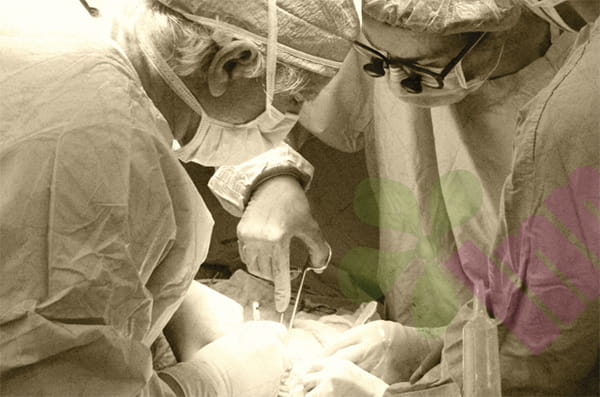






A black scab forms on the surface of a wound, which many people believe is a sign that it's almost healed. This judgment is sometimes correct, and sometimes wildly wrong. If it's just a superficial abrasion, a thin, dark brown, dry scab will form after a few days, adhering tightly to the wound without swelling or oozing, and that is indeed healing. But there is another type of black scab that is completely different.
Why does pus easily accumulate under black scabs?
The formation of a black scab is predicated on tissue necrosis. In patients with severe crush injuries, burns, frostbite, or vascular occlusive diseases, local tissue dies due to ischemia. As the necrotic skin dehydrates and dries, a black scab forms. This scab itself is inactive tissue, lacking blood vessels, so immune cells and antibiotics cannot reach the area beneath it via the bloodstream. Meanwhile, the necrotic tissue and exudate beneath the scab provide an ideal culture medium for bacteria.
How can I tell if there's a problem underneath the black scab?
Not all black scabs are problematic; the key is to learn to distinguish between healthy dry scabs and dangerous closed scabs. Healthy dry scabs are thin and brittle, with a flat or slightly concave surface, and are light or dark brown in color. There are no gaps between the scab and the surrounding skin, and the surrounding skin is neither red nor swollen. The patient also does not experience pain or fever. This type of scab does not require special treatment; simply keep it dry and let it peel off on its own. Dangerous black scabs have several characteristics. First, thickness: scabs thicker than two millimeters should raise suspicion. Second, color: pure black or charcoal black, not brown. Third, surrounding skin appearance: obvious redness, swelling, and increased skin temperature around the scab, with pain upon pressure. Fourth, fluctuation: gently press the center of the scab with your finger; if you feel fluid moving underneath, it indicates fluid accumulation. Fifth, exudation: sometimes yellow or yellowish-green exudate can be seen oozing from the edges of the scab; sometimes the exudate is bloody or has a foul odor. Sixth, systemic reactions: the patient may experience low-grade fever, fatigue, and decreased appetite. If any of these conditions are met, the black scab cannot be left.
How should the pus under the black scab be treated?
The core principle of treating pus under a scab is debridement, which means removing the necrotic scab to expose the pus and necrotic tissue underneath. This cannot be done at home. Debridement requires assessing the depth and extent of the necrotic tissue. Deep debridement may damage the healthy tissue underneath, while shallow debridement may not remove all the tissue. Moreover, the debridement process can cause bleeding and pain, requiring aseptic technique and specialized instruments. In hospitals, debridement usually begins by soaking the scab in saline or iodine solution to soften it. Then, sterile forceps and scissors are used to carefully peel off the softened scab piece by piece. After removing the scab, a layer of yellowish-white necrotic fascia or fatty tissue is often revealed underneath, which may have formed a cavity.
What should be used to promote healing after debridement?
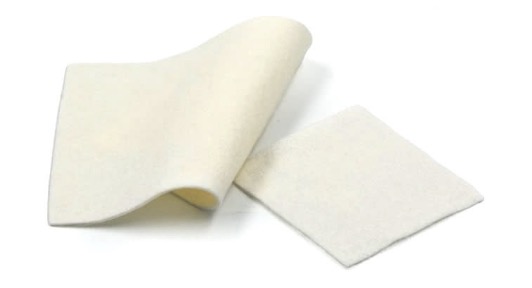
After the scab is removed, the wound becomes an open or semi-open wound. The next goal is to control infection, promote granulation tissue growth, and ultimately close the wound. Functional wound dressings can be used at this stage. If the wound is relatively clean after debridement and there is no obvious purulent discharge, a foam dressing containing silver ions or a silver hydrocolloid dressing can be used. Silver ions have broad-spectrum antibacterial effects and can be released continuously for several days, inhibiting the growth of residual bacteria. This type of dressing can be worn continuously for three to five days without needing to be changed daily, reducing the chance of repeated exposure and secondary contamination. If the wound has a lot of exudate, soaking several gauze pads every day, an alginate dressing can be used. It has a strong absorption capacity and can absorb pus and exudate to form a gel, keeping the wound moist but not macerated. Alginate dressings usually need to be changed daily because once saturated, they no longer have a drainage effect. Another situation is when a deep cavity forms after debridement, and a regular dressing cannot reach the bottom. In this case, a strip of alginate dressing or iodine-soaked gauze can be loosely packed into the cavity, and then covered with dry gauze. As the cavity gradually becomes shallower, the packing material should be shortened until it is completely removed. It is important to note that functional dressings are only auxiliary tools and cannot replace thorough debridement. If necrotic tissue is not completely removed, even the best dressing will be ineffective, as bacteria will continue to multiply beneath the necrotic tissue.
For more information on Innomed® Alginate Dressing, refer to the Previous Articles. If you have customized needs, you are welcome to contact us; You Wholeheartedly. At long-term medical, we transform this data by innovating and developing products that make life easier for those who need loving care.
Editor: kiki Jia


