
 English
 عربى
عربى Español
 русский
 中文简体
中文简体






Cancerous wounds refer to lesions formed when malignant tumors directly invade the skin or rupture from the inside out. They are commonly seen in breast cancer, head and neck tumors, and malignant melanoma. Unlike ordinary external injuries, these wounds do not heal naturally; instead, they continue to expand as the tumor grows. One of the most unbearable problems for patients and their families is the odor. This smell is extremely pungent, described by some as resembling the stench of rotting flesh. Patients are afraid to go out, avoid contact with others, and experience immense psychological stress. The source of this odor is actually quite clear: it is the result of the combined effects of tumor tissue necrosis and secondary infection. Tumors grow rapidly, but blood supply cannot keep up. Cells in the central area of the tumor die and decompose due to ischemia. Necrotic tissue contains a large amount of protein, which, after being decomposed by bacteria on the surface, releases volatile substances such as amines and sulfides. These compounds are the source of the odor.
Can the odor from a cancerous wound be controlled?
Many people believe that cancerous wounds that develop an unpleasant odor are beyond help and that they should simply endure the pain. This is incorrect. While cancerous wounds are indeed difficult to heal, the odor can be completely controlled and even eliminated. There are two core strategies for controlling odor: one is to kill or inhibit the bacteria that produce the odor, and the other is to absorb or neutralize the odor molecules that have already been released. The former relies on the topical application of antibacterial medications and dressings, while the latter relies on physical absorbent materials. Using both in combination can significantly reduce or even completely eliminate the odor in most patients. Moreover, controlling odor not only improves the smell itself but also reduces the bacterial load, lowers the risk of infection, and allows patients to live with dignity in the final stages of life—a crucial goal of palliative care.
What methods can be used to reduce odor?
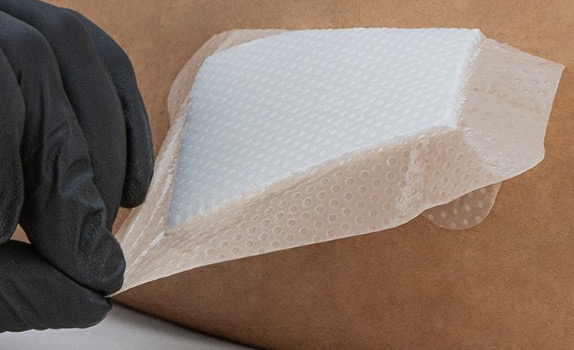
The most direct way to address the odor produced by bacterial protein decomposition is through antibiotics or antibacterial dressings. Metronidazole is a first-line drug for treating odor in cancerous wounds. Metronidazole is particularly effective against anaerobic bacteria, and the hypoxic environment deep within cancerous wounds is precisely where anaerobic bacteria thrive. The method of use is to crush metronidazole tablets into powder and sprinkle it evenly on the cleaned wound surface, or to soak gauze in metronidazole injection solution for wet dressings, once or twice daily. Clinical experience shows that most patients experience a significant reduction in odor within one to two days after using metronidazole. If the effect is not ideal, other antibiotics can be used in combination, such as silver sulfadiazine or silver ion-containing dressings. Silver ion dressings have broad-spectrum antibacterial effects, continuously releasing silver ions to kill bacteria. One silver-containing foam dressing can be worn for two to three days without needing daily changes, making it more convenient for patients. However, the disadvantages of silver ion dressings are their higher price and unsuitability for patients allergic to silver.
Besides dressings, what other daily care is needed?
Daily care for cancerous wounds is much more frequent than for ordinary wounds because of the large amount of exudate, strong odor, and tendency to macerate the surrounding skin. Dressings should be changed at least once a day, and sometimes twice a day (morning and evening) if there is heavy exudate. Before changing the dressing, gently rinse the wound with saline solution to remove surface exudate and sloughed necrotic tissue. Do not scrub vigorously, as the tissue in cancerous wounds is very fragile and easily bleeds upon contact. After rinsing, gently pat dry with sterile gauze, then choose a dressing according to the wound's condition. If the wound has a large amount of yellow or grayish-white necrotic tissue, a self-dissolving debridement hydrogel can be applied to the wound overnight and rinsed off the next day; the necrotic tissue will be softened and removed. If the wound has a tendency to bleed, thrombin solution can be sprayed after rinsing, or a silver-containing alginate dressing can be used for packing; alginate has hemostatic properties. Protecting the surrounding normal skin is also important. The exudate from cancerous wounds often contains digestive enzymes, which can irritate the surrounding skin, causing eczema or maceration and whitening. You can apply zinc oxide ointment or a skin protectant cream to the skin around the wound to form a physical barrier and block the irritation of exudate. If the surrounding skin is already red and broken, you can first sprinkle a layer of stoma care powder to absorb the exudate, and then spray on a skin protectant.
For more information on Innomed® Silver Ion Dressing Foam, refer to the Previous Articles. If you have customized needs, you are welcome to contact us; You Wholeheartedly. At long-term medical, we transform this data by innovating and developing products that make life easier for those who need loving care.
Editor: kiki Jia


