
 English
 عربى
عربى Español
 русский
 中文简体
中文简体






Postoperative infection is a common complication after surgery, with an incidence rate of approximately 1% to 5%, depending on the type of surgery and the patient's underlying condition. Once infection is confirmed, the core principle of management is to control local inflammation as early as possible, prevent the infection from spreading to deeper tissues, and simultaneously support the patient's overall health. So, how do we determine if an infection has truly occurred at the suture site? Let's take a look together.
Will removing the stitches cause the wound to reopen?
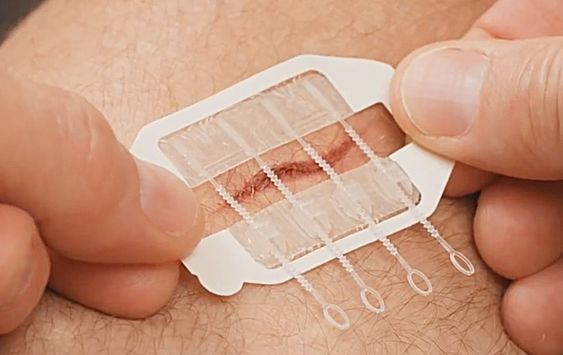
In fact, when infected, pus and necrotic tissue are trapped under the skin by sutures. Increased pressure can actually worsen tissue ischemia and pain. Suture removal is to establish a drainage channel, allowing inflammatory substances to drain. The number of sutures removed depends on the extent of the infection; sometimes only one or two sutures are removed, while other times all sutures need to be removed. The next step is thorough debridement, which involves removing necrotic tissue, blood clots, and foreign bodies using sterile instruments. This process may involve a small amount of bleeding, but it is a necessary procedure. Incomplete debridement can lead to prolonged infection. After debridement, the wound is usually not sutured again but treated as an open wound. Dressings are changed once or twice daily, using saline or a specific disinfectant to clean the wound and filling it with appropriate drainage materials, such as iodoform gauze or alginate dressings, depending on the amount of exudate. The purpose is to maintain unobstructed drainage and absorb excess exudate.
In addition to local treatment, is systemic antibiotic therapy necessary?
This depends on the severity of the infection. For superficial infections with only localized redness and swelling, a small amount of purulent exudate, and no systemic symptoms, some patients may recover spontaneously without oral or intravenous antibiotics after adequate drainage and dressing changes. However, for patients with fever, chills, lymphangitis, or a tendency for cellulitis to spread, antibiotics should be selected under the guidance of a doctor. Empirical treatment often covers Staphylococcus aureus and Streptococcus, as these are the most common pathogens in skin and soft tissue infections. The treatment plan can be adjusted based on wound secretion culture results and drug sensitivity testing. The course of antibiotic treatment is usually 5 to 7 days. It is crucial not to stop or reduce the dosage on your own, as this can easily induce bacterial resistance or lead to recurrence of the infection.
Besides professional treatment, what can patients do to cooperate with the treatment?
The primary task is to keep the wound absolutely dry. Cover it with a waterproof dressing when showering, and change it immediately if it gets wet. Secondly, elevate the affected limb. If the sutures are on the limbs, raising the limb above heart level helps reduce swelling and pain. Dietary requirements include adequate protein and vitamin C intake, such as lean meat, eggs, and fresh vegetables. These nutrients are crucial for collagen synthesis and immune cell function. Smoking should be avoided, as nicotine constricts small blood vessels, significantly reducing local blood oxygen partial pressure and delaying healing. Monitor body temperature and wound appearance daily. If pain suddenly worsens or exudation increases significantly, seek immediate medical attention, as this may indicate that the infection is not being effectively controlled.
Note that the following behaviors are unacceptable:
Do not squeeze the wound to try to drain pus. Squeezing may push bacteria into deeper tissues, causing fasciitis or even sepsis. Do not directly rinse the inside of an open wound with alcohol or iodine tincture. High concentrations of disinfectants are toxic to newly formed granulation tissue and will hinder healing. Do not believe in folk remedies, such as sprinkling powdered medicine or applying cooking oil to the wound. These substances not only fail to kill bacteria but will also become a culture medium for bacteria, increasing the difficulty of subsequent debridement. Regarding healing time, open wounds after infection usually take 2 to 4 weeks to close, significantly longer than the 7 to 10 days for primary sutures. Patients should be prepared for this and follow their doctor's advice for regular check-ups until the wound is completely epithelialized. If the infection signs do not improve after 3 to 5 days of the above-mentioned standard treatment, or if severe pain in the affected limb, purplish or blackish skin color, numbness, or other symptoms occur, it may indicate severe conditions such as necrotizing fasciitis or gas gangrene, requiring emergency hospitalization and surgical intervention. At this time, time is of the essence and cannot be delayed. For more information on Innomed® Wound Skin Closure, refer to the Previous Articles. If you have customized needs, you are welcome to contact us; You Wholeheartedly. At long-term medical, we transform this data by innovating and developing products that make life easier for those who need loving care.
Editor: kiki Jia


