
 English
 عربى
عربى Español
 русский
 中文简体
中文简体






Summer's rising temperatures present significantly different environmental conditions for wound healing compared to spring and autumn. The combination of high temperature and high humidity creates two unfavorable factors for wound healing. Increased perspiration in hot environments, coupled with the mixing of salts and metabolic products in sweat with wound exudate, alters the local pH and osmotic pressure, hindering fibroblast proliferation and epithelial cell migration. Simultaneously, bacteria multiply rapidly at temperatures above 30 degrees Celsius, with their proliferation cycle significantly shortened compared to lower temperatures. This means the same wound carries a higher risk of infection in summer. So, what specific aspects should be considered when caring for wounds in summer?
Cleaning is the foundation of wound care in summer. Wounds should be gently rinsed daily with saline solution or iodine solution to remove accumulated secretions and dirt. Avoid directly wiping open wounds with alcohol, as it is cytotoxic to newly formed granulation tissue and hinders the healing process. After cleaning, allow the wound to air dry or gently pat it dry with sterile gauze; do not rub it back and forth to avoid damaging the already formed, delicate epidermis. If the wound is located in an area prone to sweating, such as the armpits, groin, or feet, the frequency of cleaning may need to be increased, but ensure the skin around the wound is completely dry after each cleaning.
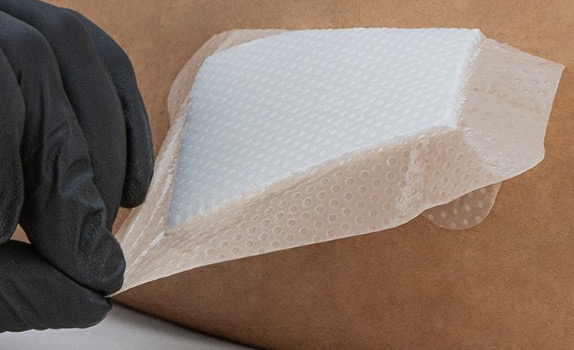
Choosing the right dressing is especially crucial in summer. Many people instinctively want to leave the wound open to breathe, but exposed wounds are more susceptible to contamination from sweat and insect contact in summer. Rapid evaporation can also lead to dryness and crusting, significantly slowing the migration of epithelial cells in a dry environment. The appropriate approach is to choose a highly absorbent and breathable dressing based on the amount of exudate. When there is significant exudate, highly absorbent foam dressings are suitable, such as silicone gel foam dressings. The foam layer of these dressings absorbs and locks in the exudate, preventing prolonged soaking of the surrounding skin and maceration damage. The silicone gel contact layer does not adhere to the moist wound surface, preventing the tearing of newly formed granulation tissue during dressing changes. Silicone gel foam dressings are suitable for covering and caring for non-chronic wounds with significant exudate. For superficial wounds with minimal exudate, breathable sterile gauze or hydrocolloid dressings can be chosen, maintaining a moist but not wet, and dry but not cracked surface.
How to protect wounds from water contamination when showering in the summer?
You can temporarily wrap the wound with a waterproof dressing or plastic wrap. Limit shower time to 15 minutes. After showering, immediately remove the dressing to check if water has gotten into the wound. If it becomes wet, you need to disinfect and change the dressing again. For everyday clothing, choose loose, breathable cotton garments to avoid direct friction from rough fabrics on the wound. If the wound is on the foot or lower limb, keep your shoes and socks dry and change them promptly after sweating.
In terms of diet, people's appetite may decrease in summer, but the nutritional needs for wound healing do not decrease. Adequate daily intake of protein sources such as eggs, fish, lean meat, and soy products, combined with vitamin C from fresh fruits and vegetables, directly supports collagen synthesis and tissue repair. At the same time, it is important to quit smoking and limit alcohol consumption, as nicotine in tobacco causes vasoconstriction, reducing local blood oxygen partial pressure at the wound site and delaying the healing process.
Observing wound changes daily is an essential step that patients can perform themselves. A properly healing wound will show gradual reduction in redness and swelling, decreased pain, and a decrease in exudate that lightens in color from yellow. If the redness and swelling expand by more than two centimeters within 24 hours, the pain changes from a dull ache to a persistent, throbbing pain, and the exudate turns yellowish-green and purulent or has an unpleasant odor, it indicates that the infection is progressing and requires immediate medical attention. The high temperatures of summer do not accelerate wound healing; on the contrary, they require more meticulous management. The key is to maintain cleanliness, choose appropriate dressings to control exudate, prevent sweat maceration, and promptly detect any abnormal signs.
For more information on Innomed®Silicone Foam Dressing Bordered, refer to the Previous Articles. If you have customized needs, you are welcome to contact us; You Wholeheartedly. At long-term medical, we transform this data by innovating and developing products that make life easier for those who need loving care.
Editor: kiki Jia


