
 English
 عربى
عربى Español
 русский
 中文简体
中文简体






After a dry scab forms on the surface of a wound, many people are concerned about how to reduce the risk of scarring later. Silicone gel scar dressings are a commonly used type of anti-scarring product in clinical practice, but their use has a clear prerequisite: the wound must be completely healed, the scab must have fallen off naturally, and the wound surface must be free of exudate, breaks, or unhealed fissures. Multiple product instructions and clinical guidelines state that silicone gel dressings should only be used after the wound or wound surface has completely healed; infected, ulcerated, or erosive wounds, as well as areas where scabs have not yet fallen off, are contraindicated. Therefore, whether this type of dressing can be used on a wound after scab formation depends on the condition of the scab and the healing progress underneath.
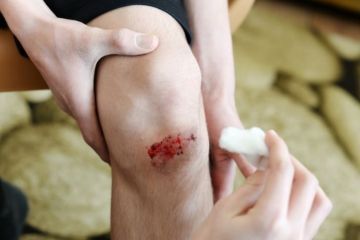
The scab acts as a temporary barrier during wound healing, covering the newly formed epidermis beneath which epidermal cells are undergoing epithelialization and migration. If a occlusive silicone gel patch is used prematurely at this stage, the adhesive force of the dressing may pull on the still-fragile epidermal layer, making it easier to tear off the fragile stratum corneum upon removal, thus reversing the healing process. Generally, the appropriate time to initiate silicone gel anti-scar treatment is two to three days after suture removal, or more than ten days after wound healing, when the scab has fallen off and the surface is dry and without exudate. Some clinicians suggest that for wounds such as facial scratches that tend to form atrophic scars, routine use of anti-scar medications is not recommended after healing, as these medications primarily inhibit scar thickness and may be detrimental to the recovery of atrophic scars.
Once the scab has fallen off naturally and the wound has completely closed, the mechanism of action of silicone gel scar dressings becomes apparent. Silicone gel maintains the hydration of the stratum corneum by reducing moisture evaporation from the skin surface. This physical effect can feedback-inhibit excessive proliferation of dermal fibroblasts, thereby reducing the degree and thickness of scar hyperplasia. For linear or strip-shaped surgical incisions, silicone gel patches provide both a moisturizing environment and a certain degree of tension reduction, preventing scar widening. A clinical observation of children with cicatricial syndactyly after surgery using foam silicone gel dressings showed that patients who used foam silicone gel dressings in addition to routine postoperative silicone gel treatment had significantly lower Vancouver Scar Scores at 6 and 12 months postoperatively compared to the control group using silicone gel alone. The incidence of pain and ulceration during treatment was also significantly reduced. This result demonstrates that early intervention with silicone gel dressings after wound healing has clear clinical value in controlling scar hyperplasia.
It's important to distinguish between different types of dressings. While both silicone gel foam dressings and silicone gel scar patches contain silicone, their uses differ. Silicone gel foam dressings are suitable for covering exudative wounds, absorbing exudate and cushioning pressure, making them ideal for the care of chronic wounds such as pressure ulcers and diabetic foot ulcers. Silicone gel patches or self-drying silicone gels, on the other hand, are typically used for scar prevention and treatment. These do not contain an exudate-absorbing foam layer; their primary function is to inhibit scar hyperplasia through occlusion, moisturization, and localized pressure. Therefore, for wounds after scabs have fallen off, silicone gel patches or gels specifically designed for scar treatment should be chosen, rather than silicone gel foam dressings intended for acute wound exudation management.
When using silicone gel scar dressings, ensure the scar area is clean and dry. The dressing area should be slightly larger than the scar edge. Apply for 12 to 24 hours daily, with a treatment course typically lasting three to six months or longer. Initially, start with two hours of application daily, observing for any allergic reactions such as redness, swelling, or itching. Gradually increase the application time as the skin adapts. If the scar is located at a joint or on the trunk or limbs, and the effect of silicone gel dressings alone is limited, it can be combined with elastic bandages or tension-reducing tape for pressure treatment. The synergistic effect of both is more effective in controlling scar thickness and width. For more information on Innomed® Silicone Scar Dressing, refer to the Previous Articles. If you have customized needs, you are welcome to contact us; You Wholeheartedly. At long-term medical, we transform this data by innovating and developing products that make life easier for those who need loving care.
Editor: kiki Jia


