
 English
 عربى
 Español
 русский
 中文简体






After a stoma surgery, many people gradually notice that the skin around the stoma becomes red and stinging, and in severe cases, it may even break and ooze fluid. The first reaction is often, "I'm having an allergic reaction, I need to switch brands." But to be honest, the most common culprit is not the product, but the daily procedures performed on the patient.
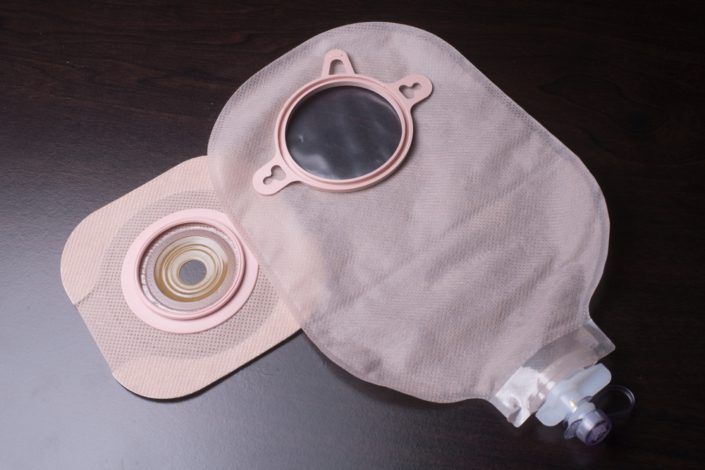
First, let's recognize the most common culprit: exudative dermatitis.
Excrement, which is naturally found in the intestines, quickly causes skin irritation and burns due to prolonged contact with the skin, caused by chemical irritation and ammonia produced by bacterial decomposition. Typical symptoms include redness, burning pain, and skin breakdown in the area where the waste is in contact with the chassis; the redness often corresponds to the shape of the chassis.
Here's a useful clue: if the red area matches the shape of the chassis, it basically pinpoints the leak and you can start looking for the cause; if the red area is irregular in shape and extends beyond the chassis, then consider other possible causes.
How to distinguish it from allergic dermatitis?
The characteristics of allergic dermatitis are: the erythema extends beyond the area covered by the dressing, itching is more pronounced than pain, small rashes and blisters may appear, and it often appears after switching to a new brand or product.
Exudative dermatitis, on the other hand, is characterized by burning pain as the primary symptom, with less noticeable itching, and a regular shape. Of course, both can coexist—it's crucial to identify the primary symptom to ensure the treatment approach is correct.
How do I treat broken skin?
I recommend a "sandwich" style of skincare, and the order is very important: wash with warm water and pat dry; sprinkle skin care powder to absorb the seepage and sweep away the surface powder; spray an alcohol-free skin protective film, wait for it to dry completely to form a layer of "skin" before applying the base.
For severe redness and breakage of the skin, reduce the burden on the ostomy area in the next few days: choose an ostomy pad with accurate pore size and a good fit, and if necessary, apply a layer of alginate or silver dressing to the damaged area to aid healing; until the breakage heals, shorten the replacement cycle to one to two days and observe frequently. Most mild to moderate exudative dermatitis will show significant improvement in two to three days with this treatment. If the condition recurs or the affected area continues to grow, please schedule an appointment directly with an ostomy therapist; they can often pinpoint the problem immediately upon examination.
There are also two types of skin injuries that are easily overlooked.
One type is mechanical damage: tearing off the base too forcefully or using incorrect removal techniques can directly pull off the stratum corneum. Prevention methods include pressing down on the skin with one hand while slowly peeling off the base at approximately 180 degrees, using an adhesive peeler if necessary.
Another type is folliculitis: In areas with dense hair, repeated application and removal of the base can cause inflammation of the hair follicles, resulting in small red spots. Before applying the base, trim the surrounding hair with scissors; do not pluck it—plucking makes inflammation more likely.
Don't overlook fungal infections
If small red spots appear around the erythema (medically called satellite lesions), and itching is severe, with a persistently damp environment—this is more like a Candida infection, a fungal infection, not oozing or an allergy. The treatment approach is completely different: antifungal powder or cream is needed, and the base layer can be applied after improvement, while keeping the skin dry throughout the process.
Prevention is worse than cure
For those experiencing recurrent dermatitis, review these habits: Did you gently peel off the base layer while holding the skin down? Was your skin thoroughly dry before applying the patch? Was the pore size cut to the latest measured dimensions? Was the skin care powder and protective film applied before application, not after the patch has broken? By ensuring these steps are followed correctly, most cases of exudative dermatitis can be prevented from occurring.
Here's another piece of advice on mindset: Even during the weeks when your skin is in stable condition, don't skip the skincare steps—if you only start caring for your skin when it's broken, you'll always be one step behind.
For more information on Innomed®Ostomy Pouch, Refer to the Previous Articles. If you have customized needs, you are welcome to contact us; You Wholeheartedly. At longterm medical, we transform this data by Innovating and Developing Products that Make Life easier for those who need loving care.
Editor: kiki Jia


