
 English
 عربى
عربى Español
 русский
 中文简体
中文简体






Postoperative wound dehiscence is a prominent risk faced by obese patients. Clinical observations show that the higher the body mass index (BMI), the more likely the abdominal incision healing process is to be fraught with complications. From early persistent effusion and fat liquefaction to later full-thickness or partial dehiscence, the abdominal wall incisions of obese patients are constantly under the combined influence of various adverse factors. Understanding how these factors affect the incision helps in taking more targeted preventative measures before and after surgery, rather than trying to remedy the situation after the incision has already dehiscenced.
What does a thick subcutaneous fat layer mean for wound healing?
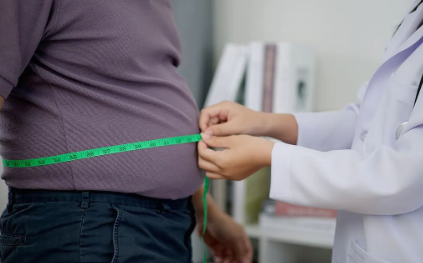
In obese individuals, the subcutaneous fat layer of the abdominal wall is significantly thickened, which is one of the most direct factors leading to poor wound healing. The blood supply to adipose tissue is far lower than that of skin and muscle; the capillary density per gram of adipose tissue is significantly less than that of an equivalent weight of muscle tissue. When the abdominal wall is surgically incised, the thick fat layer suffers from insufficient blood supply at the cut ends, making the adipose tissue near the incision edge prone to ischemia and necrosis. The rupture of necrotic fat cells releases a large amount of lipids, which accumulate within the incision, forming fat liquefaction, manifested as a continuous flow of pale yellow, oily exudate. Fat liquefaction itself is not an infection, but it provides a rich nutrient substrate for bacterial proliferation; once secondary infection occurs, it transforms into incision infection. Liquefaction necrosis prevents the subcutaneous layer from forming effective fibrous connections, preventing the tissues on both sides of the incision from adhering. While the skin surface may appear to align, a cavity exists beneath the skin, which becomes the starting point for wound dehiscence when abdominal pressure increases.
What effect does increased abdominal wall tension have on healing incisions?
Obese patients experience significantly higher resting abdominal wall tension than those of normal weight. Excessive abdominal fat accumulation increases the abdominal cavity volume, keeping the abdominal muscles and fascia in a state of constant stretching. The abdominal wall also deforms more dramatically during respiratory movements and changes in body position. Postoperatively, the tissues on both sides of the incision need to withstand continuous lateral tension during healing. If the tension after suturing exceeds the tissue's repair capacity, the collagen fibers synthesized by fibroblasts will be repeatedly broken, and the wound healing will remain at the fibrin adhesion stage, unable to enter a stable scar remodeling stage. Actions that suddenly increase intra-abdominal pressure, such as coughing, sneezing, straining during bowel movements, and standing up, subject the already fragile newly formed tissue to tensile forces exceeding its tensile strength. Partial or complete wound dehiscence often occurs in these instantaneous moments. Obese patients often have metabolic syndrome and chronic cough, resulting in frequent and significant fluctuations in abdominal pressure, and the incision is exposed to a high-tension environment for a longer period.
How do metabolic problems associated with obesity impair tissue repair capabilities?
Obesity rarely exists as an isolated weight problem; it is often accompanied by insulin resistance, dyslipidemia, and a chronic low-grade inflammatory state. In insulin resistance, fibroblasts exhibit decreased responsiveness to growth factors, weakened collagen synthesis, and slowed granulation tissue formation. Adipose tissue itself is an active endocrine organ, releasing inflammatory factors such as tumor necrosis factor and interleukins. These factors interfere with the normal repair process at the incision site, prolonging the inflammatory phase and delaying the proliferative phase. Hyperglycemia directly damages microvascular endothelial cells, resulting in insufficient capillary regeneration around the incision and reduced oxygen and nutrient delivery. Some obese patients experience sleep apnea, and recurrent nocturnal hypoxemia causes fluctuations in tissue oxygenation, compromising the continuous oxygen supply for wound healing. These metabolic issues collectively constitute the systemic basis for poor wound healing in obese individuals.
How can we reduce the risk of abdominal wounds reopening in obese individuals?
Among the interventions that can be taken in the preoperative stage, weight control is an important factor affecting the wound healing outcome. However, the urgency of surgery often does not allow for prolonged weight loss. Therefore, the focus before surgery should be on blood glucose management and respiratory function assessment. From a surgical technique perspective, incisions with a thick subcutaneous fat layer require layered suturing to eliminate dead space. Placing a drainage tube within the fat layer and maintaining unobstructed drainage helps reduce fat liquefaction and accumulation. The number of suture layers and the choice of sutures need to be adjusted according to the thickness and tension of the abdominal wall. In terms of postoperative management, the abdominal incision requires external support. Using an abdominal binder or incision tension-reducing dressing can reduce the traction of the abdominal wall on both sides of the incision during breathing and activity. The abdominal binder should cover a sufficient area above and below the incision, with tightness that limits excessive abdominal wall expansion without affecting breathing. When coughing or sneezing, use both palms to press on the incision area to provide counter-support. When getting up, first turn to the side and then use your hands to support yourself as you sit up, reducing the tension impact on the abdominal wall from sitting directly up from a supine position. Exudate management needs to be more proactive. Dressings should be changed promptly when they become soaked with exudate. Open drainage is more effective than simply changing dressings and waiting when there are signs of liquefaction or infection in the incision. Regarding nutritional support, obese patients also need an adequate supply of protein postoperatively. Calorie and protein intake should not be deliberately restricted due to concerns about weight loss; the amino acids and energy required for incision repair cannot be omitted. The risk of abdominal wound dehiscence in obese patients is a complex issue determined by both local tissue characteristics and systemic metabolic status. Continuous perioperative management is far more effective than remedial measures after dehiscence occurs. For more information on Innomed® Silicone Contact Layer, refer to the Previous Articles. If you have customized needs, you are welcome to contact us; You Wholeheartedly. At longterm medical, we transform this data by innovating and developing products that make life easier for those who need loving care.
Editor: kiki Jia


