
 English
 عربى
عربى Español
 русский
 中文简体
中文简体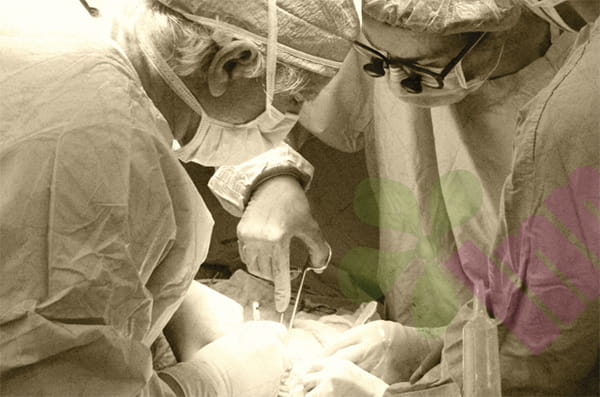





When diabetic foot ulcers extend deep into the bone or tendons, simple dressing changes are insufficient to close the wound. Doctors sometimes choose flap transfer surgery to cover the defective area. The surgery successfully closes the wound, but the patient's biggest concern then arises: can the foot still bear weight, to what extent can it recover, and will walking abrade the flap? The answer to this question depends on several key factors, including the type of flap, the area covered, the degree of sensory preservation in the foot, and the adherence to the postoperative rehabilitation plan. Walking is not completely impossible after flap transfer, but recovery requires a strictly phased process, and some patients may need to use pressure-relieving shoes long-term to protect the transferred flap.
Why can't you bear weight and walk immediately after a skin flap transfer?
The core principle of flap surgery is to transfer a piece of tissue with its own blood supply from another part of the body to cover the defect wound. The blood vessels of this tissue need to be anastomosed with the blood vessels in the recipient area using microsurgical techniques. In the early postoperative period, the blood flow at the vascular anastomosis site and within the flap is fragile. If weight-bearing is done too early, the local tissue pressure increases under pressure on the plantar flap, causing capillary collapse and cutting off the flap's blood supply, leading to ischemia and necrosis starting from the edges. For flaps not on the plantar surface, although there is no direct pressure during weight-bearing, the hemodynamic changes in the lower limbs caused by walking and the contraction of foot muscles can still exert traction on the flap, potentially affecting the stability of the vascular anastomosis area. Therefore, the early postoperative period is usually a strict non-weight-bearing period, the length of which varies depending on the surgical method and flap type, generally between two and six weeks. The specific time is determined by the surgeon based on the intraoperative situation and the recovery of the flap's blood supply. During this stage, the foot is elevated to facilitate venous return, and changes in the flap's color and temperature are monitored. Any darkening of the color or drop in temperature is a signal requiring immediate attention.
Are the load-bearing requirements the same for plantar flaps and dorsum of the foot flaps?
No, they are different. The functional requirements of the sole and dorsum of the foot differ greatly. After a plantar flap transfer, the immediate problem is weight-bearing friction. Normally, the sole skin has a thick stratum corneum and special fibrous septa to distribute pressure. However, even if the transferred flap heals well, its abrasion resistance and pressure resistance cannot reach the level of the original sole skin. Even after the non-weight-bearing period following plantar flap surgery, patients must use custom-made pressure-reducing shoes or orthotic insoles when resuming walking to redistribute foot pressure to the non-flap area. Otherwise, the junction between the flap edge and normal skin is most prone to ulceration under repeated friction. Dorsal flaps do not directly bear weight, but friction between the shoe upper and the dorsum of the foot during walking can still cause damage. Therefore, soft, loose-fitting shoe upper materials should be chosen, and the shoe lining should avoid hard seams pressing directly against the flap surface. The recovery of sensation in the flap is another factor affecting walking. Peripheral neuropathy in diabetic patients may make the recovery of sensation in the flap itself worse. Even if the flap is rubbed to the point of near breakage, the patient may not feel pain and often only discovers it when it breaks or even becomes infected. Therefore, patients with plantar flaps need to regularly check the surface of the flap in the mirror during daily activities.
Do I need to wear pressure-relieving shoes all the time after I can walk?
Pressure-relieving shoes are not an option after plantar flap surgery. The plantar area after flap transfer lacks sufficient subcutaneous fat and fascia cushioning; walking directly in regular shoes will cause the flap to experience local pressure far exceeding its tolerance. Custom-made pressure-relieving shoes work by identifying the pressure-bearing area corresponding to the flap through plantar pressure testing. This area is then made hollowed out or made of low-hardness material in the insole, transferring pressure to the surrounding healthy weight-bearing areas of the arch and heel. Some patients may think that after wearing them for a few months and the skin surface no longer shows any abnormalities, they can switch back to regular shoes. However, the deep structure and cushioning capacity of the flap will not return to the level of normal plantar tissue just because the surface heals. Prematurely abandoning pressure-relieving shoes is one of the most common causes of recurrent ulcers after plantar flap surgery. It is generally recommended to continue using pressure-relieving shoes for at least six months to one year after plantar flap surgery. Diabetic patients often require even longer use due to poor healing ability and sensory impairment. In addition to footwear, daily foot checks are essential. After washing your feet each day, check the flap area for redness, blisters, swelling, or changes in skin temperature. If any abnormalities are found, immediately reduce activity and contact your surgeon.
How should the training rhythm for walking recovery be arranged after flap transfer?
Walking recovery needs to follow a progressive process from non-weight-bearing to partial weight-bearing and then to full weight-bearing, with clear assessment points between each step. After the non-weight-bearing period, under the guidance of a rehabilitation physician or specialist nurse, begin partial weight-bearing exercises using a walking aid on the heel or the unaffected side. Each walking session should start at five minutes, once or twice a day, gradually increasing to fifteen minutes. During this stage, the main focus is on observing the flap's reaction after activity. If the flap darkens or swells after activity, it indicates that the current weight-bearing level exceeds the flap's tolerance, and it's necessary to revert to the previous stage. After full weight-bearing, choose flat surfaces for walking, avoiding starting ramp and stair training too early. Simultaneously, ankle range of motion training and calf muscle strengthening exercises are performed during rehabilitation. These two exercises help improve foot pump function and gait, but the flap area must be protected from stretching during training. Walking recovery after diabetic foot flap surgery is a gradual process with the flap's tolerance as the upper limit. The goal is not to restore the exact same walking ability as before surgery, but to achieve the best possible functional range without sacrificing flap safety. For some elderly patients and those with severe neuropathy, even if the skin flap heals well, long-term use of a wheelchair or walking aid to reduce foot load may still be a safer option. For more information on Innomed® Silicone Foam Dressing, refer to the Previous Articles. If you have customized needs, you are welcome to contact us; you wholeheartedly. At long-term medical, we transform this data by innovating and developing products that make life easier for those who need loving care.
Editor: kiki Jia


