
 English
 عربى
عربى Español
 русский
 中文简体
中文简体






What is enterostomy prolapse?
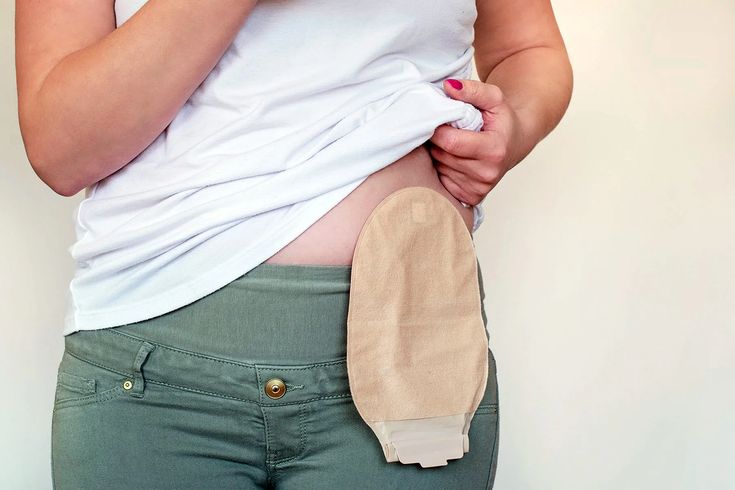
Enterostomy prolapse refers to the excessive outward protrusion of intestinal tissue from the abdominal wall opening. It typically manifests as a significant increase in stoma length, with the intestinal tract folding over or turning inside out through the stoma. Normally, the enterostomy should be flush with or slightly above the skin surface; in prolapse, the intestinal tract extends abnormally, reaching lengths of several centimeters or even tens of centimeters. This can occur in colostomies or ileostomies, but colostomy prolapse is more common. The prolapsed intestinal tissue usually remains pinkish, indicating adequate blood supply, but in severe cases, it may darken due to obstructed blood circulation. Enterostomy prolapse not only affects the wearing and sealing of the ostomy bag but can also lead to complications such as patient discomfort, intestinal obstruction, and even intestinal necrosis.
Why does enterostomy prolapse occur?
The occurrence of colostomy prolapse is related to multiple factors. Weak abdominal muscles are a major cause, especially in the elderly or those who have undergone multiple abdominal surgeries, where insufficient abdominal wall strength makes it difficult to support the intestines. Improper stoma placement, such as being located lateral to the rectus abdominis muscle without sufficient muscle support, can also easily lead to prolapse. Long-term increased intra-abdominal pressure is a significant contributing factor; chronic cough, constipation, difficulty urinating, or heavy physical labor can all increase abdominal pressure, causing the intestines to protrude outwards. Excessive obesity places greater pressure on the abdominal wall, increasing the risk of prolapse. An excessively large stoma opening provides too much space for intestinal movement, which can also cause prolapse. Certain diseases, such as ascites or tumors, can also increase intra-abdominal pressure, promoting prolapse.
How to identify enterostomy prolapse?
of prolapse is an increased stoma length, with the intestine protruding outwards from the stoma. It may retract slightly when lying down, but becomes more pronounced when standing or with increased abdominal pressure. The prolapsed intestine is usually cylindrical or spherical, with visible normal intestinal mucosal folds. Observing color changes is important; initially, the prolapsed intestine is rosy, indicating good blood supply. If the color turns dark red, purple, or even black, it may indicate circulatory problems, requiring immediate treatment. Patients may experience a feeling of heaviness or discomfort in the stoma area, especially when standing or moving. Difficulty in fitting the ostomy bag is also a common problem, as the prolapse makes it difficult for the stoma base plate to adhere properly, easily leading to leakage.
What should be done if colostomy prolapse occurs?
After colostomy prolapse occurs, the first thing to do is remain calm and avoid panic. Have the patient lie flat and rest, with a pillow under their knees to relax the abdomen; sometimes mild prolapse will retract on its own. Try gently massaging the area around the prolapsed bowel with your palm dipped in warm water or lubricant in a clockwise direction to encourage repositioning. If the bowel is of normal color and can be gently reduced, you can try pushing it back into the abdominal cavity, but the movement must be gentle and slow, avoiding excessive force. Observe for a period of time after reduction to confirm that the bowel has maintained its position. If the prolapsed portion changes color, cannot be reduced, or is accompanied by severe pain, do not force it and seek immediate medical attention. During the treatment, the patient should avoid actions that increase abdominal pressure, such as pressing on the stoma area while coughing.
How to prevent enterostomy prolapse?
Preventing stoma prolapse requires a comprehensive approach. Choosing an appropriate ostomy bag is crucial; a supportive stoma belt or abdominal binder should be used, especially for highly active patients, as this provides external support. Avoid behaviors that increase abdominal pressure, such as treating chronic coughs, maintaining regular bowel movements, and avoiding lifting heavy objects. Weight control is key; reducing abdominal pressure can lower the risk of prolapse. Perform proper abdominal muscle exercises, but avoid strenuous activities that increase intra-abdominal pressure. Regularly check the skin around the stoma and the condition of the stoma to detect early changes promptly. Choosing appropriate stoma supplies, such as a convex baseplate, may be helpful for some patients. Learn proper body mechanics; when getting up, turn to your side and use your hands for support, avoiding direct supine sit-ups.
What are the treatment options for enterostomy prolapse?
Treatment for enterostomy prolapse depends on the severity and the patient's specific condition. Mild prolapse is usually treated conservatively, including manual reduction, use of supportive stoma devices, and lifestyle modifications to reduce abdominal pressure. For recurrent or moderate prolapse, local repair surgery, such as stoma reconstruction or abdominal wall reinforcement, may be necessary. Severe prolapse or prolapse with complications may require more extensive surgical intervention, such as repositioning the stoma, abdominal wall repair, or reinforcement with synthetic materials. Non-surgical methods also include sclerotherapy to reduce prolapse, but this approach has limited application. For more information on Innomed® Ostomy Pouch, refer to the Previous Articles. If you have customized needs, you are welcome to contact us; You Wholeheartedly. At long-term medical, we transform this data by Innovating and Developing Products that Make Life easier for those who need loving care.
Editor: kiki Jia


