
 English
 عربى
عربى Español
 русский
 中文简体
中文简体






What is a skin laceration?
A skin laceration is an injury in which the epidermis separates from the dermis due to shearing or frictional forces, forming a flap or completely detaching from the skin. These wounds are common in the elderly, infants, and people with fragile skin, and often occur on bony prominences such as the elbows, knees, front of the lower legs, and backs of the hands. Skin lacerations are generally classified into two types: intact flaps, where the skin is torn but still connected to the body; and complete detachment, where the skin completely detaches from the body, forming a defect. These wounds often have irregular edges, may not bleed much but are very painful, and are prone to healing problems due to impaired blood supply. Because of their unique mechanism, the treatment of skin lacerations requires extra care to preserve the viability of the skin flap.
Why is skin more prone to tearing?
The susceptibility to skin lacerations is closely related to skin structure and health. With age, skin aging leads to thinning of the epidermis, reduction of dermal collagen, and degeneration of elastic fibers. These changes make the skin more fragile, and even minor friction can cause tears. Photoaging caused by prolonged sun exposure weakens the skin barrier function. Certain medical conditions, such as long-term use of corticosteroids, malnutrition (especially protein and vitamin C deficiencies), chronic kidney disease, or diabetes, can all affect skin health and its repair capabilities. Dry skin, lacking sufficient oil protection, is also more prone to damage. External factors such as friction from bed sheets or clothing, excessive stretching during care, and accidental scratches are common triggers.
How to provide initial treatment for skin lacerations?
Upon discovering a skin laceration, appropriate first aid measures should be taken immediately. First, assess the wound, observing whether the skin flap is intact, whether blood supply is adequate, and whether there is any contamination or foreign body. Gently rinse the wound with saline or clean water to remove surface debris, being careful not to use too strong a flow of water to avoid further tissue damage. If the skin flap is still attached to the body and is pink, try to reposition it as much as possible, avoiding arbitrary trimming or tearing. Gently apply pressure to stop the bleeding and cover with sterile gauze for protection. Do not use irritating disinfectants such as iodine or alcohol to directly contact the wound, as this may damage the delicate skin tissue. If the skin flap has completely detached, wrap it with sterile gauze moistened with saline and transport it to the hospital with the patient. The doctor may perform replantation depending on the situation.
What are some professional methods for handling this?
Medical professionals treat skin lacerations according to specific principles. The first step is thorough debridement, rinsing the wound thoroughly with saline solution to remove all foreign objects and contaminants, while preserving as much viable tissue as possible. Depending on the flap and wound location, doctors may choose from several closure methods: for small, well-vascularized tears, medical adhesive or sutureless tape may be used; for larger or deeper tears, meticulous suturing may be necessary, taking care to avoid overly tight suturing that could impair blood supply to the flap; for wounds with significant tissue loss, advanced dressings may be used to promote healing. Special attention is paid to the flap's orientation to ensure it aligns with the skin's natural texture and minimize scarring after healing. If the flap's blood supply is questionable, closure may be delayed, and the patient observed for 24-48 hours before deciding on a final treatment plan.
How to choose and use appropriate dressings?
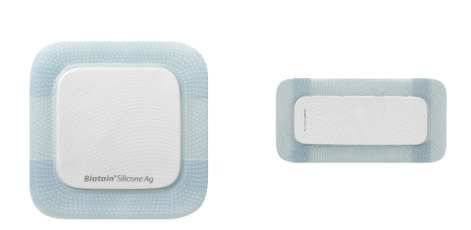
Choosing the right dressing is crucial for the healing of skin lacerations. For superficial lacerations with little exudate, thin film dressings or thin hydrocolloid dressings can be used. These maintain a moist environment, promote epithelial migration, and are less likely to damage new tissue during dressing changes. For wounds with a small amount of exudate, foam dressings or alginate dressings can absorb exudate while maintaining adequate moisture. If the skin flap has poor blood supply or is at risk of necrosis, silver-containing dressings can prevent infection. Regardless of the type of dressing chosen, products that are too sticky should be avoided to prevent secondary damage during dressing changes. Dressings with silicone borders can be used, or a skin protectant film can be applied to the surrounding skin before applying the dressing. The dressing should extend at least 2 cm beyond the wound edge to ensure complete coverage.
What should be paid attention to in daily care?
Daily care for skin lacerations requires meticulous attention and patience. Keep the wound clean and dry, but avoid excessive dryness that could hinder healing. Change dressings regularly, observe the wound for changes, and watch for signs of infection such as redness, swelling, increased oozing, or unusual odor. Protect the surrounding skin with a gentle skin cleanser, avoiding products containing alcohol or fragrances. Strengthen nutritional support, ensuring adequate intake of protein, vitamin C, and zinc, as these nutrients are crucial for skin repair. Avoid pressure or friction on the wound area, adjust your sleeping position, and take precautions during activity. If the wound is near a joint, appropriate activity restriction may be necessary, but moderate activity should be performed under the guidance of a doctor to prevent joint stiffness.
How can we prevent skin lacerations from recurring?
Preventing skin lacerations requires comprehensive management. Strengthening skin care is key; use a gentle moisturizer daily, especially after bathing when skin is still damp, to lock in moisture. Wear soft, loose-fitting cotton clothing and avoid direct contact between rough fabrics and the skin. Make age-friendly modifications to the home environment, removing sharp furniture edges, using non-slip mats, and ensuring adequate lighting. Use proper techniques when changing positions or transferring individuals to avoid dragging the skin. Use lifting devices or transfer boards to assist those with mobility impairments. Maintain a balanced diet and adequate hydration to improve skin health. For high-risk individuals, protective dressings or silicone pads can be used as cushioning over bony prominences. Regularly examine the skin, especially vulnerable areas, to detect and treat dry or fragile areas early.
In what situations should you seek immediate medical attention?
Seek professional medical help in the following situations: Excessive bleeding that cannot be controlled by direct pressure; complete detachment of skin flaps or large-area defects; wounds extending into subcutaneous tissue or even muscle; severely contaminated wounds containing foreign objects such as dirt or glass; signs of infection such as increasing redness and swelling, purulent discharge, and fever; wounds located in important functional or aesthetic areas such as the face or hands; patients with underlying conditions that affect healing, such as diabetes or weakened immune systems; and wounds showing no obvious signs of healing within two weeks. Timely professional treatment not only promotes better wound healing but also reduces complications and scarring. For more information on Innomed® Silicone Foam Dressing , refer to the Previous Articles. If you have customized needs, you are welcome to contact us; You Wholeheartedly. At long-term medical, we transform this data by Innovating and Developing Products that Make Life easier for those who need loving care.
Editor: kiki Jia


