
 English
 عربى
عربى Español
 русский
 中文简体
中文简体





What is radiation-induced skin damage?
Radiation-induced skin injury refers to the local inflammatory reaction and damage caused by radiation penetrating the skin and subcutaneous tissue during radiotherapy in cancer patients. This is not a simple burn or infection, but rather the result of high-energy radiation directly damaging skin cell DNA and microvessels. The degree of damage depends primarily on the total radiation dose, single dose, irradiated area, type of radiation, and individual skin sensitivity. It typically appears gradually 2-4 weeks after the start of treatment and may peak about a week after the end of treatment. The pathological basis is the inhibition of basal cell proliferation and impaired local microcirculation, leading to severe impairment of repair function.
What are the typical manifestations of radiation-induced skin damage?
Radiation-induced skin damage exhibits a clear dynamic staging process. Initially, it typically presents as dry, scaly skin and hair loss in the irradiated area, accompanied by varying degrees of erythema, resembling sunburn, with a warm sensation and itching upon touch. As the radiation dose accumulates, the damage progresses to the moist peeling stage, characterized by the formation and rupture of epidermal blisters, exposing a bright red, moist dermis, often with pale yellow serous exudate. This stage is marked by significant pain and a high susceptibility to secondary bacterial or fungal infections. The most severe stage may involve skin ulcers extending deep into the dermis and even subcutaneous tissue, with necrosis of the basal layer and extremely slow healing. These manifestations are strictly confined to the irradiated field, and well-defined borders are a characteristic feature.
How to effectively prevent radiation-induced skin damage?
Prevention is the primary strategy for managing radiation-induced skin damage. During radiotherapy, choose loose, soft, pure cotton clothing to avoid friction on the irradiated area. When washing, use only warm water and a mild, non-irritating, fragrance-free soap, gently patting dry rather than rubbing. Strictly avoid using any skin care products, perfumes, or antiperspirants that may contain alcohol, metallic ingredients, or irritating chemicals on the irradiated area. In daily life, absolutely avoid sun exposure and extreme temperature stimuli, such as hot water bottles, ice packs, or direct exposure to hair dryers. Communicate fully with the radiotherapy nurses before treatment and apply a professional protective spray or specific ointment according to the treatment plan. Maintaining a balanced diet, especially ensuring adequate intake of high-quality protein and vitamins, helps improve skin tolerance.
How should one care for themselves after developing radiation dermatitis?
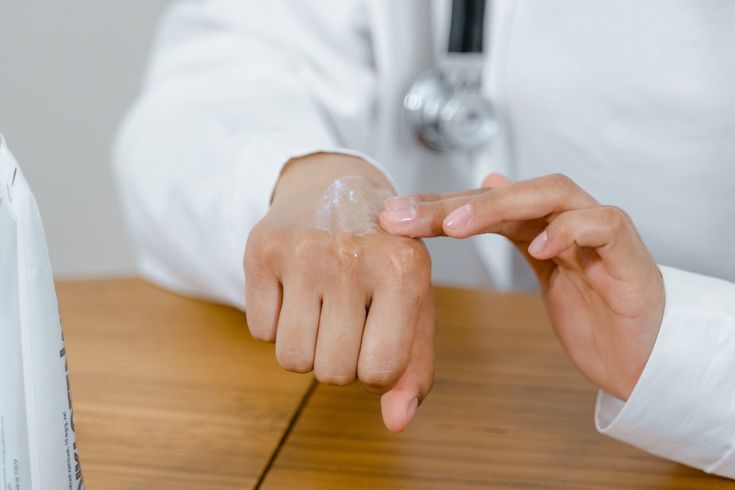
Once radiation dermatitis develops, graded care is crucial. For first-degree lesions, characterized only by dryness, erythema, and desquamation, the focus is on moisturizing and soothing. Apply a specialized moisturizer recommended by the radiation oncology department, such as a hypoallergenic product containing hyaluronic acid, aloe vera, or oat extract, several times daily. Wear soft clothing and avoid scratching. For second-degree lesions, characterized by moist desquamation, the core of care is preventing infection and promoting epithelial regeneration. Under the guidance of healthcare professionals, cover the wound with sterile, non-adhesive dressings, such as soft silicone dressings, hydrocolloid dressings, or silver-containing dressings. Clean daily with saline solution, gently removing loose epidermis while preserving unseparated epidermis. If there is significant exudate, a highly absorbent foam dressing can be used. For significant pain, use pain medication or topical lidocaine gel as prescribed by your doctor.
How to treat severe radiation ulcers?
For deep ulcers or persistent third-degree wounds, intervention by a professional wound therapist or physician is necessary. The primary principle is aseptic debridement, gradually and in stages removing necrotic tissue, while carefully protecting the surrounding delicate skin and newly formed granulation tissue. Depending on the wound condition, advanced functional dressings are often chosen, such as alginate dressings to manage exudate, hydrogel dressings to provide a moist environment and promote autolytic debridement, and silver-containing dressings to control bioburden. If infection is present, wound secretions should be cultured, and targeted antibiotics should be administered. In recent years, some adjunctive therapies have shown potential, such as low-energy laser therapy, growth factor application, and negative pressure wound therapy, which can stimulate microcirculation and granulation tissue growth. Nutritional support is crucial at this stage, ensuring adequate intake of protein, vitamins A and C, and zinc.
What are the characteristics of the healing process of radiation-induced skin injuries?
The healing process of radiation-induced skin damage is exceptionally slow and fragile. Due to persistent damage to the local microvascular network and skin stem cells, blood supply and cell regeneration capacity in this area remain chronically low. Even when the epidermis heals, the new skin is not of normal structure, often appearing thin, atrophic, lacking elasticity, with pigmentation or hypopigmentation, and reduced subcutaneous fat tissue. The skin barrier function in this area is permanently weakened, making it more sensitive to external stimuli and prone to dryness, itching, and recurrent ulceration. Therefore, long-term skin care after radiotherapy is just as important as acute care, requiring lifelong gentle cleansing, enhanced moisturizing, and strict sun protection.
In what situations should you seek immediate medical attention?
If the following warning signs appear, patients should not attempt to treat the condition themselves but should immediately contact their radiation oncologist or go to the hospital: Sudden worsening of pain in the irradiated area, with a rapid expansion of the affected area; the appearance of yellow or green purulent discharge, sometimes accompanied by a foul odor; the appearance of a bright red, diffuse erythema exceeding 2 cm in diameter around the wound, or a palpable fluctuation under the skin; the patient developing systemic infection symptoms such as fever and chills; no improvement in the wound after one week of routine care, or even worsening and enlarging; or the appearance of new ulcers, nodules, or changes in skin texture in the original irradiated area months or years after radiation therapy, raising concerns about potential long-term radiation damage or tumor recurrence.
Radiation-induced skin injury is a foreseeable and common challenge in cancer treatment. However, through scientific prevention, timely tiered care, and active doctor-patient cooperation, its severity can be effectively controlled, and patients' quality of life can be maintained. Patients and their families should proactively learn relevant knowledge, maintain close communication with the medical team, and consider skin care an indispensable part of the entire radiotherapy plan. For more information on Innomed® Medical Silicone Tape , refer to the Previous Articles. If you have customized needs, you are welcome to contact us; You Wholeheartedly. At long-term medical, we transform this data by Innovating and Developing Products that Make Life easier for those who need loving care.
Editor: kiki Jia


