
 English
 عربى
عربى Español
 русский
 中文简体
中文简体




What is skin aging?
Skin failure is a clinical concept referring to the progressive and irreversible decline in the structure and function of the skin due to a variety of intrinsic factors, ultimately resulting in the loss of its basic barrier protection, immune defense, thermoregulation, and repair and regeneration capabilities. This condition is not a single disease, but rather the result of the combined effects of multiple chronic diseases, microcirculatory disorders, immune abnormalities, severe malnutrition, and other complex factors. Unlike ordinary wounds or dermatitis, skin failure represents a systemic functional collapse of the skin, the body's largest organ, often accompanied by chronic wounds that are difficult to heal or systemic skin dysfunction. Understanding this concept helps us to better understand the severe skin problems experienced by some critically ill or debilitated patients.
How does skin aging occur?
The core mechanism of skin deterioration is an overall imbalance in the skin system caused by multiple impacts. From an anatomical perspective, normal skin relies on the precise coordination of the epidermis, dermis, subcutaneous tissue, and appendages to maintain its function. During skin deterioration, the stratum corneum of the epidermis thins, significantly weakening its physical barrier function, making it easier for moisture to be lost and for external irritants and pathogens to invade. Collagen and elastin fibers in the dermis break and degrade, leading to loss of skin elasticity, thinning, and increased susceptibility to damage. The subcutaneous fat layer atrophies, losing its cushioning function and affecting thermoregulation and energy reserves. More importantly, the accompanying microvascular endothelial damage results in insufficient local tissue blood perfusion, obstructed oxygen and nutrient delivery, and accumulation of metabolic waste. Simultaneously, immune cell function is suppressed, reducing the skin's local immune defense capabilities. These changes collectively make the skin extremely fragile; even slight friction or pressure can cause damage, and the repair mechanism is almost paralyzed after damage, resulting in chronically non-healing wounds.
Which groups of people are prone to skin deterioration?
Skin deterioration is most common in people with severe underlying diseases or in a state of extreme frailty. Patients with end-stage chronic diseases are at high risk, such as those with heart failure, kidney failure, advanced cancer, or end-stage chronic obstructive pulmonary disease, as their systemic deterioration can affect the skin. Patients with severe malnutrition, especially those with long-term protein and micronutrient deficiencies, experience insufficient synthesis of skin structural proteins. Patients who are bedridden for extended periods and have severe sensory impairments, such as those with late-stage dementia or spinal cord injuries, experience amplified effects of local pressure, shear forces, and friction on their fragile skin. Furthermore, very elderly individuals, whose skin naturally thins, dries, and loses elasticity with age, are more prone to rapidly developing skin deterioration when exposed to acute illnesses.
What are the typical signs of skin deterioration?
The clinical presentation of skin deterioration is a dynamic and progressive process. Early symptoms may only include dry, pale skin, decreased temperature, and significantly reduced elasticity; even a light pinch may leave a mark. As it progresses, the skin becomes thin and translucent, like parchment, with subcutaneous blood vessels clearly visible, and is prone to unexplained purpura or hematomas. The most typical feature is the appearance of unexplained skin lacerations; even without obvious trauma, linear or star-shaped tears may spontaneously appear on the skin. Pressure injuries develop rapidly, not only at bony prominences but also in previously considered low-risk areas, and the depth of the injury progresses rapidly, easily reaching deep tissues. The resulting ulcers have a pale base, with extremely slow or complete granulation tissue growth, and respond poorly to conventional wound care. Patients often experience severe pain, but sometimes this pain response may be masked by overall exhaustion.
How to deal with and manage skin aging?
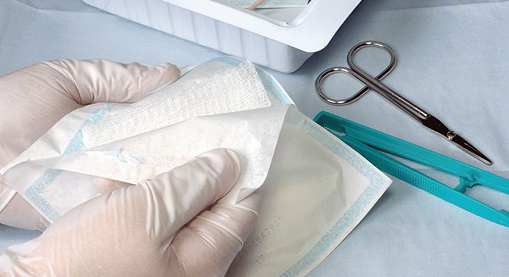
In the face of skin deterioration, treatment should shift from wound healing to protecting remaining skin function, preventing new damage, alleviating symptoms, and improving quality of life. Management must adopt a comprehensive supportive strategy. Systemic support is the cornerstone, including optimizing nutritional status (where medically permissible), correcting anemia and hypoproteinemia, managing pain, and improving circulation as much as possible. Skin protection requires extremely meticulous care, using mild, soap-free cleansers and frequent application of alcohol- and fragrance-free moisturizers to repair the skin barrier. All care movements must be gentle, avoiding any dragging or friction, and using professional transport tools and positioning support equipment. For existing wounds, extremely gentle, non-invasive dressings should be chosen, such as soft silicone contact layers and non-adhesive dressings, to avoid secondary damage during dressing changes. Pressure redistribution is crucial, requiring the use of high-performance pressure-relieving mattresses and cushions, and the development of individualized turning plans. Simultaneously, providing psychological support to patients and their families, helping them understand the disease process and adjust their expectations, is also an integral part of holistic care.
For more information on Innomed®Silicone Foam Dressing , refer to the Previous Articles. If you have customized needs, you are welcome to contact us; You Wholeheartedly. At long-term medical, we transform this data by Innovating and Developing Products that Make Life easier for those who need loving care.
Editor: kiki Jia


