
 English
 عربى
عربى Español
 русский
 中文简体
中文简体






Can children also suffer from stress injuries?
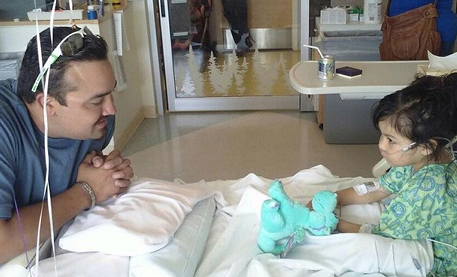
Many people mistakenly believe that pressure injuries, commonly known as pressure sores or bedsores, only occur in elderly people who are bedridden for extended periods. In reality, children, especially those with serious illnesses requiring specialized medical care, are also at risk of pressure injuries. Because children have delicate skin, thinner subcutaneous fat, and different body proportions than adults, coupled with their limited ability to express discomfort, pressure injuries can develop more quickly and are more easily overlooked. Once these injuries occur, they not only increase the child's suffering and risk of infection, prolong hospital stays, but also place an additional burden of care and financial strain on the family. Therefore, systematic and proactive risk assessments for high-risk children are crucial.
Which children belong to the high-risk group?
Identifying high-risk children is the first step in prevention. Children requiring special attention include: those who are bedridden or have severely limited mobility due to severe trauma, major surgery, or neurological disorders; children requiring continuous medical devices, such as ventilator masks, casts or braces, nasogastric tubes, or nasal cannulas, which exert continuous pressure and friction on the skin; children with sensory impairments, such as those with spinal cord injuries, comas, or those using sedatives, who cannot perceive pain or discomfort or adjust their position independently; and children with malnutrition, such as those with low weight, anemia, or hypoproteinemia, whose skin's resilience and repair capabilities are significantly weakened. Furthermore, children whose skin is already moist, such as those with urinary or fecal incontinence, excessive sweating, or wounds with oozing fluid, have impaired skin barrier function and are more susceptible to injury.
How to conduct effective risk assessments for children?
For children, assessment scales used for adults cannot be simply applied. Currently, the internationally recommended approach is to use assessment tools specifically designed for children, with the Braden Q scale being the most commonly used. This scale assesses seven dimensions: sensory abilities, skin moisture, mobility, locomotion, nutritional status, friction and shear forces, and pressure associated with medical devices. Each dimension has specific scoring criteria; a lower total score indicates a higher risk of pressure injury. Assessments should be conducted regularly by trained nurses or physicians, especially upon admission, changes in condition, post-surgery, or transfer to the ICU. The assessment process involves more than just scoring; it requires clinical observation, such as carefully examining the skin color, temperature, and texture at bony prominences and areas of contact with medical devices.
What is the core of preventative measures?
Preventive measures must be individualized and revolve around three core aspects: relieving pressure, reducing friction, and maintaining skin health. Regular turning is the cornerstone of relieving persistent pressure. For bedridden children, a turning plan should be developed based on their risk level, typically changing their position every two hours. Soft pillows and positioning pads can be used to distribute pressure over a larger surface area. Choosing and using appropriate support surfaces is crucial, such as high-quality foam mattresses and alternating pressure air mattresses, which can effectively reduce pressure on bony prominences. When moving or transporting a child, lift their body rather than drag them to minimize friction and shear forces that could damage deeper skin tissues. Keeping the skin clean and dry is a key aspect of daily care. Use mild cleansers and gently pat dry after washing. For incontinent children, clean promptly and apply skin protectants. Ensure adequate nutritional support by working with a nutritionist to guarantee the child receives sufficient protein, calories, vitamins, and micronutrients.
How can pressure injuries related to medical devices be prevented?
This is a unique challenge for children, especially those with severe illnesses. Prevention hinges on proper selection, correct placement, and close monitoring. Choose medical devices that are most suitable for the child's size, shape, and material; for example, choose softer, better-fitting ventilator masks or nasal cannulas. Apply prophylactic dressings, such as thin foam dressings or transparent film dressings, as an extra layer of cushioning at the sites where the device contacts the skin. At least once a day, thoroughly examine the covered skin when removing the device (ensuring safety) or adjusting its position, checking for pressure marks, redness, or breakage. Change the device's anchor point or support as regularly as possible to avoid prolonged pressure on the same area. Also, ensure that the medical device's tubing and leads are not trapped under the child's body.
What role can parents play in prevention?
Parents are an indispensable part of the prevention team both during and after hospitalization. Healthcare professionals should guide parents in recognizing early signs such as persistent redness, elevated skin temperature, or blisters. Parents should be taught proper care techniques, including how to safely assist the child in turning over, how to avoid friction when holding the child, and how to examine the entire body's skin. Parents should be encouraged to participate in developing a care plan and to promptly report any discomfort or skin changes in their child. After the child returns home, parents need to continue implementing preventative measures, creating a safe home environment, such as providing suitable mattresses and cushions, and maintaining good skin care habits. Regular follow-ups and communication with the healthcare team help manage the ongoing risks.
For more information on Innomed®Hydrocolloid Dressing Nasal Cannula Fixation , refer to the Previous Articles. If you have customized needs, you are welcome to contact us; You Wholeheartedly. At long-term medical, we transform this data by Innovating and Developing Products that Make Life easier for those who need loving care.
Editor: kiki Jia


