
 English
 عربى
عربى Español
 русский
 中文简体
中文简体






What is incontinence-related dermatitis?
Incontinence-associated dermatitis (IAD) is an irritant contact dermatitis caused by prolonged or repeated exposure of the skin to urine and feces. It primarily occurs in areas of direct contact and maceration with incontinence, such as the perineum, buttocks, and inner thighs. This problem is very common in elderly people who are bedridden for extended periods, critically ill patients, or adults with neurological impairment. However, it is not simply a case of moist skin, but a complex skin condition involving multiple factors such as impaired skin barrier function, chemical irritation, and microbial infection. Accurate identification and management of IAD are crucial for alleviating patient suffering and preventing secondary infections and pressure injuries.
How does incontinence-associated dermatitis occur?
The initial stage involves damage to the skin barrier. The moisture in urine and feces causes overhydration and softening of the stratum corneum, weakening its physical barrier function. Simultaneously, urea in urine is broken down by bacteria to produce ammonia, raising the skin's surface pH and further damaging its acidic protective film. Digestive enzymes in feces, especially proteases and lipases, can directly digest and damage the proteins and lipids on the skin's surface. These factors collectively lead to impaired skin integrity. Next comes chemical irritation and inflammatory responses. Damaged skin is directly exposed to irritating chemicals in urine and feces, causing localized erythema, burning sensation, and pain. The third step is microbial invasion and infection. Damaged skin is more susceptible to bacterial and fungal colonization, especially Candida infections, which are very common, leading to an expansion of the lesions, the appearance of satellite papules and pustules, complicating the situation.
How to identify incontinence-related dermatitis?
The most typical early sign is the appearance of poorly defined pink or red patches on the skin, usually occurring on prominent areas such as the perineum, perianal region, buttocks, groin, and inner thighs. Patients will complain of burning, itching, or pain in the affected area. As the condition worsens, the erythema deepens in color, expands in area, and the skin surface may develop shiny maceration, swelling, and even small blisters, epidermal peeling, and superficial erosions. If a fungal infection is present, scattered small red papules or pustules, known as satellite lesions, are often seen around the erythema. It is important to differentiate this from pressure injuries (pressure ulcers), which typically occur on bony prominences, have clearer borders, and may present as full-thickness skin damage, while incontinence-associated dermatitis is more widespread, mostly located in skin folds and contact areas, and is characterized primarily by erythema and epidermal damage.
How to effectively prevent incontinence-associated dermatitis?
The primary principle is prompt cleaning. In case of incontinence, immediately cleanse with a mild, pH-balanced skin cleanser and a soft cotton cloth. Be extremely gentle, using a patting motion rather than vigorous rubbing to avoid mechanical friction damage. After cleaning, gently pat dry with a soft towel; do not rub back and forth. The most crucial step is the routine use of a skin protectant. After each cleaning and drying, apply a layer of skin protectant, such as a cream containing petrolatum or simethicone, to high-risk areas. These form a hydrophobic film on the skin's surface, effectively isolating it from the irritation of urine and feces. Simultaneously, choose highly absorbent incontinence care products, such as adult diapers or incontinence pads, and ensure timely changes to keep the skin dry. For bedridden patients, it is also necessary to change their position regularly to avoid prolonged exposure to moisture and pressure.
How should one properly care for dermatitis after it occurs?
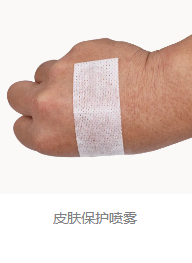
Once dermatitis develops, care measures need to be upgraded and adjusted. Cleaning should be more cautious; consider using no-rinse skin cleansing foams to reduce physical irritation to broken skin. For skin with maceration and erosion, after cleaning, gently spray ostomy powder or a non-irritating absorbent powder onto the moist area to absorb excess exudate, followed by applying a skin protectant or using a skin protective film spray to form a protective layer. Depending on the presentation of the lesions, topical medicated preparations may be necessary. If the lesions are primarily erythematous and erosive, a short-term application of a mild corticosteroid ointment can quickly control inflammation. If typical satellite papules are present or fungal infection is suspected, an antifungal ointment such as clotrimazole or miconazole should be used. When there is exudate at the lesion site or suspected bacterial infection, consider using an antibacterial ointment such as mupirocin ointment, or covering with a silver-containing dressing. All medications should be used under the guidance of a physician or wound care professional.
In what situations should you seek professional medical help?
If home or basic care measures are ineffective, seek medical attention promptly. If skin erythema and lesions do not improve or continue to worsen after a week of standard care; if the lesions rapidly expand, with numerous blisters, deep erosions, or ulcers appear; if obvious signs of infection emerge, such as local purulent discharge, fever, or systemic infection symptoms such as fever and chills; if the pain is severe, significantly affecting the patient's sitting, lying down, sleep, and mood; or if other complex conditions are present, such as pre-existing diabetes, peripheral vascular disease, or immune system disorders, these conditions suggest the need for more specialized wound assessment, systematic drug treatment, or intervention by a multidisciplinary team.
For more information on Innomed®Skin Protective Spray , refer to the Previous Articles. If you have customized needs, you are welcome to contact us; You Wholeheartedly. At long-term medical, we transform this data by Innovating and Developing Products that Make Life easier for those who need loving care.
Editor: kiki Jia


