
 English
 عربى
عربى Español
 русский
 中文简体
中文简体






What is a boil?
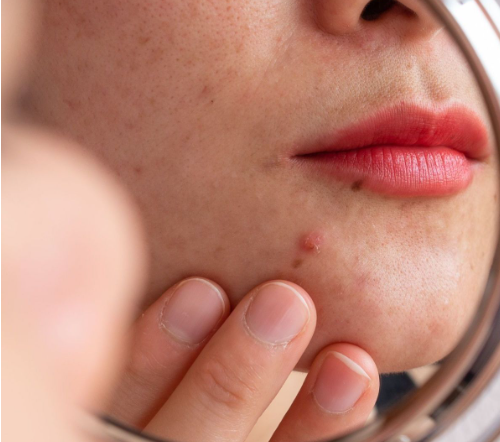
A boil, medically known as folliculitis or furuncle, is an acute bacterial infection of the hair follicle and surrounding tissue. The face, especially the area around the nose, lips, and jawline, is more prone to this condition and carries a higher risk due to the dense concentration of hair follicles, vigorous sebaceous gland secretion, and rich blood supply. The most common causative agent is Staphylococcus aureus. Initially, it presents as a small, firm, red papule at the opening of the hair follicle, accompanied by pain or tenderness. It then rapidly develops into a round nodule with a yellow pustule in the center, with increasing pain, and the surrounding skin may become red, swollen, and hot. If not treated properly, especially in the danger triangle of the face, the infection can spread intracranially via blood vessels, leading to serious complications.
Why should you be especially careful with boils on your face?
The face, especially the danger triangle formed by the root of the nose and the corners of the mouth, has a unique venous structure lacking valves to prevent backflow of blood. Squeezing a boil in this area can force pus or infectious material containing large amounts of bacteria into the blood vessels, causing the infection to flow upstream and enter the cavernous sinus in the brain, leading to life-threatening complications such as cavernous sinus thrombosis, meningitis, or even sepsis. Therefore, the core principle in treating facial boils is to strictly avoid squeezing and emphasize early, gentle intervention.
What should be done when it is discovered early?
When a boil has just formed, that is, when there is only redness, swelling, and hardening without a visible pustule, the goal of treatment is to control the infection and promote the resolution of inflammation. Apply warm, clean compresses several times a day using a damp towel or gauze for 15-20 minutes each time, at a temperature comfortable for the skin. Warm compresses help dilate local blood vessels, promote blood circulation, and enhance the aggregation of immune cells to the infected area, potentially helping small foci of infection to resolve on their own. After applying warm compresses, apply a topical antibiotic ointment, such as mupirocin ointment or fusidic acid cream, as prescribed by your doctor, covering an area slightly larger than the red and swollen area. During this stage, it is essential to keep the affected area clean, using a gentle facial cleanser and avoiding the use of oily cosmetics to cover it. Rest and ensure adequate hydration are also important.
What should I do if a pustule appears?
When a distinct yellowish-white pustule appears in the center of a boil, it indicates that the infection has localized and formed a pus cavity. At this point, it is strictly forbidden to prick it with a needle or squeeze it with your hands. The correct approach is to continue applying gentle, warm compresses, which helps accelerate the maturation of the pus and encourages the head to rupture and drain naturally. Sterile medical gauze and adhesive tape can be purchased at a pharmacy. After applying warm compresses and disinfecting, loosely cover the boil with the sterile gauze to absorb any small amount of pus that may seep out and prevent external contamination. If the boil is large, extremely painful, or shows no signs of rupture after several days of care, seek medical attention promptly. A doctor will perform incision and drainage under strict sterile and disinfectant procedures to completely drain the pus; this is the most effective way to relieve pain and accelerate healing. Self-treatment can easily lead to the spread of infection and scarring.
How to care for a boil after it has ruptured or been cut open?
Whether the wound ruptures naturally or is surgically drained, proper wound care is crucial for healing and scar prevention. Initially, there may be a small amount of purulent or bloody oozing; gently pat it dry with a sterile cotton swab or gauze, avoiding vigorous rubbing. Use the prescribed antibacterial ointment or healing dressing as directed by your doctor. Most importantly, keep the wound clean and well-ventilated. After applying the ointment, gently cover it with a small adhesive bandage or sterile gauze, but do not seal it too tightly. Change the dressing 1-2 times daily, observing the wound before each change. Once the pus has drained and the wound has turned into clean, red granulation tissue, continue applying antibiotic ointment and begin using anti-scarring products such as silicone gel to reduce scarring. During this stage, avoid contact with water, and be careful to avoid contact when washing your face.
How to prevent recurring boils on the face?
The key to prevention lies in correcting triggering factors and maintaining healthy skin. Pay attention to facial cleansing, but avoid over-cleansing or using harsh cleansers to prevent damaging the skin barrier. For oily skin, choose skincare products with a light texture. Avoid frequently touching your face with your hands, especially unwashed hands. When shaving, ensure the razor is clean, use shaving cream, shave in the direction of hair growth, and use a soothing product afterward. Dietarily, reduce your intake of high-sugar, high-fat, and spicy foods, and eat more fruits and vegetables. Maintain a regular sleep schedule and avoid staying up late and excessive stress, as these factors can affect immunity. If severe boils repeatedly occur in the same area or multiple locations, consult a doctor to rule out underlying systemic diseases such as diabetes or a weakened immune system. For more information on Innomed® Acne Plaster , refer to the Previous Articles. If you have customized needs, you are welcome to contact us; You Wholeheartedly. At long-term medical, we transform this data by Innovating and Developing Products that Make Life easier for those who need loving care.
Editor: kiki Jia


