
 English
 عربى
عربى Español
 русский
 中文简体
中文简体






Why should splinter injuries not be ignored?
Splinter injuries are common minor accidents in daily life, but they should never be taken lightly. Splinters often carry a large number of bacteria, especially those found on rotten wood, such as tetanus bacteria. If these bacteria penetrate deep into the subcutaneous tissue, they can cause serious infections. Compared to metal splinters, splinters are porous and more prone to breaking, making removal more difficult. If not handled properly, the remaining tiny fragments can cause chronic inflammation within the skin, leading to recurring redness, swelling, and pain, and even the formation of local granulomas or persistent infections. Therefore, proper and timely treatment of splinter injuries is a crucial first step in preventing subsequent complications.
How can you determine if a splinter is easy to remove yourself?
Before attempting to remove the splinter, calmly assess the wound. If most of the splinter is exposed above the skin, superficially located, and intact without any signs of breakage, you can attempt to treat it cautiously at home. Conversely, if any of the following conditions occur, self-treatment is not recommended, and you should seek immediate medical attention: the splinter is completely embedded in the skin and the end is not visible to the naked eye; the splinter broke off during the attempt to remove it, with some part remaining inside; the splinter is deeply embedded, especially in sensitive areas such as joints, under nails, or the face; the splinter is made of unclean material, such as from rusty wood, manure piles, or rotten wood; the injured person has diabetes, a weakened immune system, or there are obvious signs of infection around the wound, such as redness, swelling, heat, pain, and pus discharge
What is the correct way to remove a splinter?
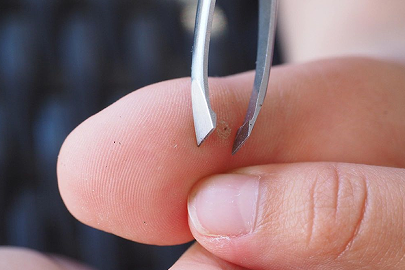
For splinters that can be removed at home, proper technique is crucial. First, thoroughly wash your hands and the skin around the wound with soap and running water. Prepare sterilized tools, such as pointed tweezers or a sewing needle, which can be disinfected by wiping with medical alcohol wipes or boiling for a few minutes. If the splinter is partially exposed, firmly grasp the exposed part with the tweezers and pull it out smoothly and slowly at the same angle as the splinter's entry. Never pull it out forcefully from the side or the opposite direction, as this can easily cause the splinter to break. If the splinter is fully embedded but located in the epidermis, you can gently pry open the outermost layer of skin with the tip of a sterilized needle to expose one end of the splinter before removing it with the tweezers. The entire process is best performed in a well-lit environment. After removal, immediately rinse the wound again with soap and running water.
How should you care for the wound after removing the splinter?
After successfully removing the splinter, firmly squeeze from the periphery towards the center of the wound to expel a small amount of blood. This helps remove any remaining tiny debris and bacteria. Then, thoroughly rinse the wound with running water or saline solution. After rinsing, pat dry with a clean cotton swab or gauze. Next, disinfect the wound and surrounding skin with iodine solution or medical alcohol, applying it in a circular motion from the center of the wound outwards. After disinfection, apply a thin layer of antibiotic ointment, such as mupirocin ointment, to prevent bacterial infection. Finally, cover the wound with sterile gauze or a bandage, keeping the area clean and dry. It is recommended to change the dressing daily and observe the wound until it heals.
How do I determine if I need a tetanus vaccine?
Tetanus is a serious and potentially fatal infection caused by Clostridium tetani, a bacterium widely found in soil, dust, and animal feces, and easily contaminated with wood. Therefore, splinters are high-risk wounds for tetanus infection. Whether a tetanus shot or booster is needed depends primarily on two factors: the degree of contamination of the wound itself and the time since the last tetanus vaccination. If the splinter came from an environment potentially contaminated with soil or feces, or if the wound is deep or contains necrotic tissue, it is considered a high-risk wound. If the injured person has not been vaccinated against tetanus within the past 5 years, or if their vaccination history is unclear, doctors usually recommend an immediate tetanus shot or immunoglobulin. This is an important preventative measure and should not be ignored.
What signs indicate a possible infection or residual infection?
Even after removing the splinter, the wound should be closely monitored for several days. Signs of infection to be alert for include: local redness, swelling, heat, and pain that worsens after 24-48 hours instead of improving; yellow or green pus discharge from the wound, or an unpleasant odor; red, centripetal lines around the wound, which may be a sign of lymphangitis; and systemic symptoms such as fever, chills, or malaise. Furthermore, persistent tenderness upon pressure, a feeling of a foreign body in the wound, or recurring small abscesses after healing strongly suggest the possibility of a tiny splinter fragment remaining. If any of these symptoms occur, seek immediate medical attention for professional treatment, such as wound exploration and debridement, and, if necessary, X-rays to locate deeper non-metallic residue.
For more information on Innomed®Silver Ion Dressing Foam, Refer to the Previous Articles. If you have customized needs, you are welcome to contact us; You Wholeheartedly. At longterm medical, we transform this data by Innovating and Developing Products that Make Life easier for those who need loving care.
Editor: kiki Jia


