
 English
 عربى
عربى Español
 русский
 中文简体
中文简体






What is a sinus tract wound?
A sinus tract is an abnormal, pathological, blind tube that runs from the body surface into deep tissues or organs, usually with only one external opening. Unlike a regular wound, its formation is often associated with deep infection, foreign body residue, incomplete removal of necrotic tissue, or specific diseases (such as Crohn's disease). A persistent source of infection may exist within the sinus tract, causing the wound to heal slowly and resulting in recurring discharge from the external opening. Therefore, the core goal of sinus tract care is not simply to close the external opening, but to thoroughly address the underlying causes, ensure adequate drainage, control infection, and promote the growth of healthy granulation tissue from the inside out. This is a process that requires patience and expertise.
Step1: assessment:
Before initiating any home care, a thorough evaluation of the sinus tract by a doctor or wound therapist is essential. This step is crucial, as self-treatment carries extremely high risks. Professionals will use visual inspection, palpation, and imaging techniques such as sterile probes or ultrasound to determine the sinus tract's direction, depth, presence of branches, presence of foreign objects at the base, or communication with internal organs. They will record the location and size of the sinus tract opening, the condition of the surrounding skin, and the characteristics of any discharge (color, amount, odor). Only with a clear understanding of the sinus tract's overall condition can a safe and effective care plan be developed. Never attempt to plug or close the opening yourself, even if it is small, as this can lead to infection buildup and worsen the condition.
Step2: cleaning:
The foundation of sinus tract care is maintaining unobstructed drainage and internal cleanliness. Preparation includes: thorough handwashing, and preparing sterile gloves, sterile swabs, a sterile syringe (usually 20ml or larger), a blunt-tipped irrigation needle, and saline solution or a doctor-recommended irrigation solution. During the procedure, wearing gloves, first clean the skin around the external opening of the sinus tract with a saline-soaked swab, making circular motions from the outside in. Then, attach a blunt-tipped needle to the syringe filled with irrigation solution and gently insert the needle into the external opening of the sinus tract, but do not force it to the bottom. Slowly push the syringe plunger to allow the irrigation solution to flow into the sinus tract under gentle pressure, observing whether the fluid flows back from the external opening naturally. Repeat the irrigation until the returning fluid becomes clear. This step effectively dilutes and flushes out pus, necrotic tissue fragments, and bacteria from the sinus tract.
Step 3: Select the dressing :
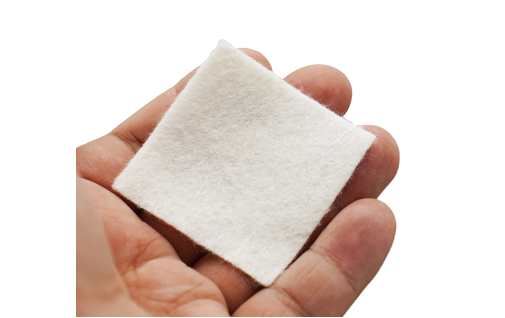
After rinsing, the sinus tract needs to be filled with a suitable dressing to keep it open, provide a scaffold for granulation tissue to grow upwards from the base, and absorb any continuously generated exudate. The choice of dressing should be based on the depth and amount of exudate in the sinus tract. For sinus tracts with high exudate, alginate packing strips can be used, as they have high absorbency and can form a gel to maintain a moist environment. During the procedure, use sterile forceps to pick up the dressing and loosely fill it into the sinus tract, being careful not to pack it too tightly; space must be left for granulation tissue growth and drainage. The dressing should be filled slightly below the skin surface and should not completely fill the external opening.
Step 4 : Fixing
After filling the sinus tract, an outer dressing is needed for coverage and protection. The choice of outer dressing depends on the amount of exudate. If there is a lot of exudate, a highly absorbent foam dressing can be used to cover the filling dressing. If there is little exudate, a sterile gauze pad is sufficient. Finally, secure it properly with breathable, hypoallergenic tape or bandage. The entire dressing should be firmly wrapped, but not too tight, to avoid affecting local blood circulation or causing discomfort. The characteristics of the removed dressing, such as color, odor, and amount of exudate, should be recorded; these are important information for assessing healing progress.
Fifth step : Observation
Sinus tract care is a dynamic process that requires close observation. Positive signs include: a gradual decrease in the amount of discharge, a change in color from purulent to serous (clear or pale yellow), and the disappearance of odor; the sinus tract depth gradually decreasing upon exploration; and the redness and swelling around the external opening subsiding, with reduced pain. Warning signs include: a sudden increase in discharge, thickening of the discharge, a greenish color, or a worsening of the odor; the appearance of new redness, swelling, severe pain, or fever; rapid saturation of the packing dressing with copious amounts of pus after insertion; and the appearance of new branches or cavities in the sinus tract instead of decreasing in depth. If any of these conditions occur, home care must be discontinued, and a doctor must be contacted immediately.
For more information on Innomed®Silver Ion Dressing Foam, Refer to the Previous Articles. If you have customized needs, you are welcome to contact us; You Wholeheartedly. At longterm medical, we transform this data by Innovating and Developing Products that Make Life easier for those who need loving care.
Editor: kiki Jia


