
 English
 عربى
عربى Español
 русский
 中文简体
中文简体






After a pet undergoes surgery, the quality of home care directly affects the speed and outcome of wound healing. Besides preventing licking and biting and restricting activity, choosing appropriate wound care materials is equally crucial. Among these, the application of functional wound dressings, which proactively create a favorable healing environment, represents a significant advancement in modern pet post-operative care.
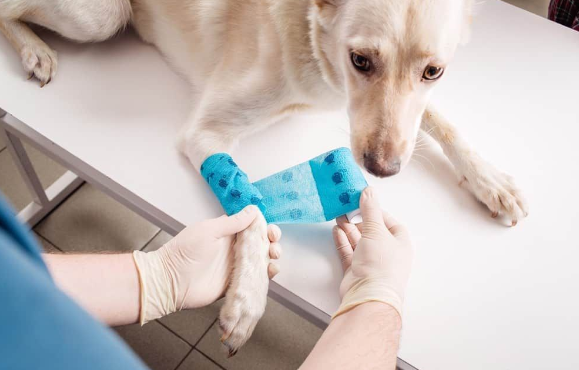
The core challenges and needs of postoperative wound care :
Surgical wounds differ from ordinary scratches; they are closed wounds with multiple layers of sutures. The core requirements are maintaining cleanliness, preventing infection, managing small amounts of tissue fluid exudation, and providing a stable healing environment for the multi-layered sutures under the skin. Pets cannot express discomfort, and their daily activities such as lying down and walking put pressure and friction on the wound; therefore, external physical protection is crucial.
Why functional wound dressings are superior to traditional methods
Traditional wound care may simply involve covering the wound with gauze, but gauze lacks moisture retention and tends to stick to newly formed tissue after drying, causing pain and secondary damage when changing it. Functional dressings, on the other hand, are materials specifically designed for wound healing, and their core advantage lies in their ability to dynamically adapt to the characteristics of the wound.
Choose the type of dressing based on the stage of exudation.
In the initial postoperative period (approximately 1-3 days), there may be a small amount of serum or blood seepage from the wound. At this time, thin foam dressings or postoperative edged dressings are suitable. These absorb small amounts of exudate, keeping the wound moderately moist, and their soft padding cushions external pressure, reducing pain.
If there is very little oozing and you prefer a more discreet and aesthetically pleasing treatment, a transparent film dressing is a good choice. It acts like a breathable skin, completely isolating the wound from external water and bacteria, allowing parents to directly observe the wound healing process without the need for frequent changes.
During the mid-to-late healing stage (approximately 4-14 days), the primary task is to protect the newly formed epithelium . At this time, a hydrocolloid dressing can be used. It forms a protective gel layer, providing an ideal environment for cell migration while simultaneously isolating the skin from external contamination.
Key points for the use and replacement of dressings
Before use, ensure the skin around the wound is clean and dry. The dressing should completely cover the wound and extend at least 2 cm beyond the suture line. After application, smooth it with your hand to ensure the edges adhere tightly to the skin.
The frequency of dressing changes is not necessarily better the more often. If there is no seepage, curling of the dressing, or odor, it can be changed every 2-3 days. Frequent tearing can disrupt the healing microenvironment. When changing the dressing, peel it off slowly in the direction of the hair growth. If it sticks, moisten it with saline solution before removing it.
Must be used in conjunction with an Elizabethan collar
No matter how advanced the dressing is, your pet must wear a suitable Elizabethan collar or protective clothing at all times. This is the only reliable way to prevent licking and biting and ensure the dressing is not damaged.
Closely monitored early warning signals
Check the wound at least twice a day. A normal healing process involves smooth, aligned wound edges, gradual reduction of slight redness and swelling, and no abnormal discharge. Warning signs that require immediate veterinary attention include: dressings soaked with copious yellow or green exudate; an unusual odor emanating from the wound; increased redness and swelling around the sutures, and elevated temperature; and unusual pain or lethargy in the pet.
Suture removal and aftercare
Sutures are typically removed 10-14 days post-surgery and must be performed by a veterinarian. After suture removal, the wound is closed but still undergoing internal reinforcement. It is recommended to continue using a dressing for 1-2 weeks and gradually increase activity levels, avoiding jumping and strenuous running.
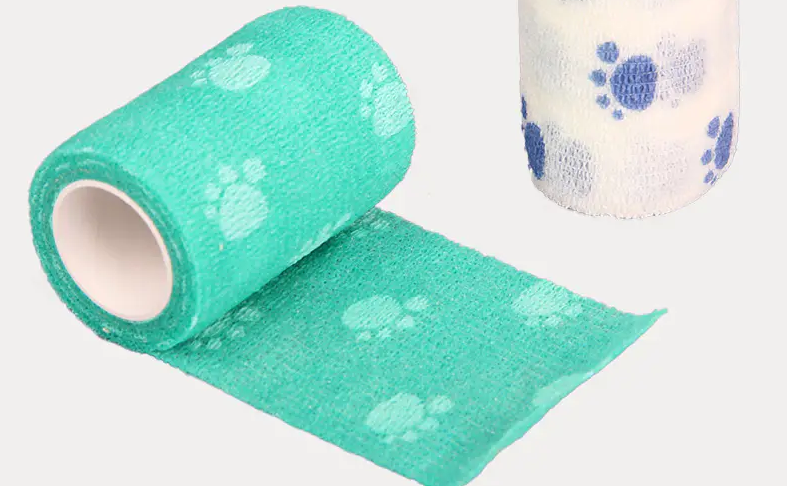
The core value of functional wound dressings lies in transforming passive covering into proactive management. By providing cushioning, maintaining moisture balance, and isolating pets from contamination, they create a safe healing environment for the vulnerable period after surgery. Combined with strict restriction of activity and observation, they maximize surgical success and help your beloved pet smoothly and comfortably navigate the recovery period.For more information on Innomed®Elastic Bandage For Pet, Refer to the Previous Articles. If you have customized needs, you are welcome to contact us; You Wholeheartedly. At longterm medical, we transform this data by Innovating and Developing Products that Make Life easier for those who need loving care.
Editor: kiki Jia


