 English
 عربى
عربى Español
 русский
 中文简体
中文简体







What should I do if the stitches crack after removal?
f the wound reopens after suture removal, medically termed incision dehiscence, there are two types. One is a superficial tear between the epidermis and dermis, resulting in a smal...
1、Special viscous formula, safe and reliable
Due to the sρecial adhesive formulation, it is characterized by safe and reliable special formulation of the hydrocolloid skin barrier, has the good initial and lasting adhesive ability, and is friendly to skin as it contains no sensitization and stimulation, but resistant to acid, alkali (PH3-12), and various digestive enzymes. It can be pasted for 5-7 days if used correctly.
2、Odor obstruction
It can perfectly obstruct the odor and has a special fragrance with high tear strength in the longitudinal and transverse direction.
3、High efficiency activated carbon filter
The high efficiency filter made of activated carbon in special process can effectively prevent odor escaping from pouches.
4、Soft and compact two-piece ring
The soft and compact two-piece ring can embedded firmly and tightly but is easy to open.
5、Connection type (patented design).
The ring (patented design) connected the barrier with film to keep the ring at the same level and not easy to fall off.
6、Smooth and washable
The sρecial water-repellent nonwoven feels smoothness and can be cleaned Up.
7、Cleaning vent (patented design)
It is easy to keeρ the pouch clean using the cleaning vent (patented design).
8、Velcro design
This velcro design for ρouchs makes the close tight and firm, but the ρouchs are still easy to oρen and be discharged.
Clinically, according to the different lesions and surgical sites, stoma can be divided into:
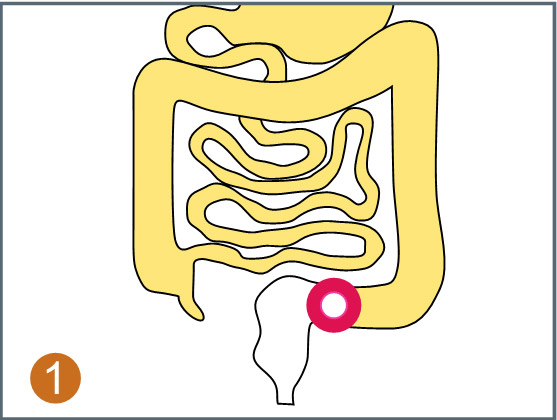
1. Colostomy
With 1- 1.5 cm higher than the abdominal wall and a diameter about 3 - 5 cm, the colostomy is usually located at left hypogastrium, and is a permanent stoma for the colon or sigmoid. The feces excreted from here is usually shaped.
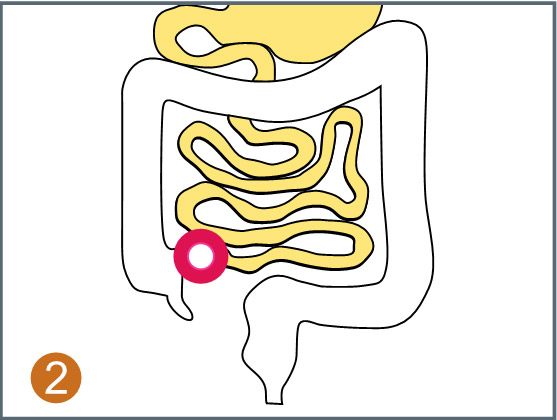
2. Ileostomy
With 1.5- 2.5 cm higher than the abdominal wall and a diameter about 2- 2.5 cm, the ileostomy is usually located at the right hypogastrium, and is the opening of the distal ileum in the abdominal wall. The feces excreted from here is usually liquid and rich in digestive enzymes causing strong thrill to the surrounding skin.
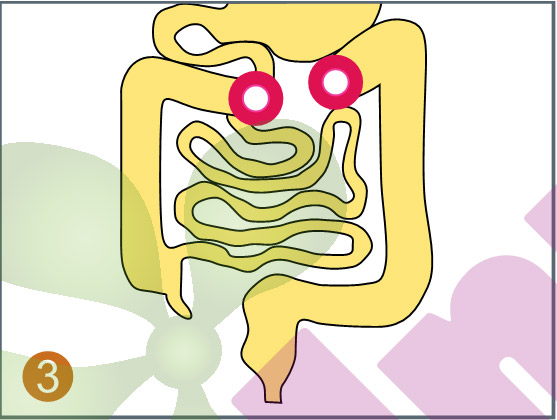
3. Temporary Stoma
The stoma is located in transverse colon segment, that is, the epigastrium, and is double-barrel or loop stoma with large appearance. The proximal stoma excretes loose stool, while the distal stoma excretes only a small amount of intestinal mucus. Temporary stoma plays the role of shunt and decompression, which can be closed when the diseases of the lower segment of the intestinal heal.
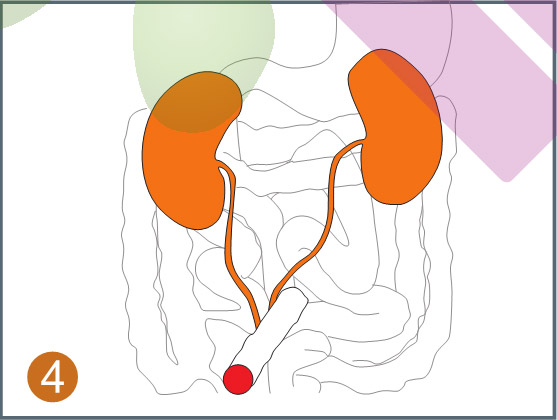
4. Urostomy
The urostomy is usually located at the right hypogastrium, but sometimes can be determined by the doctor according to the actual situation of surgery. Use a segment of the free ileum to replace the bladder. With 2-3 cm higher than abdominal wall and a diameter of about 2 - 2.5 cm, the stoma is located at abdominal wall. After surgery, urine is discharged through this stoma.
 |
 |
 |
 |
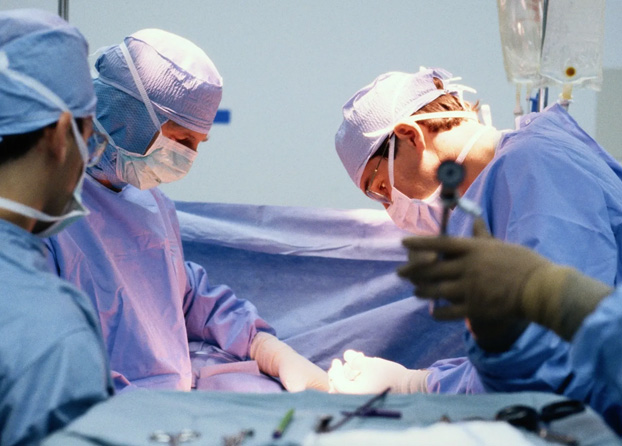
Our solutions start with a need. Patients and healthcare professionals inspire us to design medical solutions for wound management, surgery and pressure ulcer prevention. We want to enhance performance at every point of care – from the operating room to the home.
f the wound reopens after suture removal, medically termed incision dehiscence, there are two types. One is a superficial tear between the epidermis and dermis, resulting in a smal...
Bandaging is neither about being as tight as possible nor as loose as possible. The tightness directly determines whether the dressing can be secured, whether exudate can be contro...
Why does a wound that looks clean never heal? Some wounds appear red and healthy during dressing changes, with minimal exudate and no obvious pus, yet the area doesn't shrink for ...
Postoperative wound pain is mostly normal, but normal doesn't mean you have to endure it, nor does it mean all pain is nothing to worry about. Surgery involves cutting the skin, su...
In the first few minutes after a burn, the treatment directly determines the depth of the wound and the difficulty of subsequent recovery. Many people's first reaction is to apply ...
After being bitten by a cat or dog, many people's first reaction is to apply iodine, put on a bandage, or rush to the hospital. But the most important first step is actually rinsin...
A brown or dark mark left after a wound heals is medically known as post-inflammatory hyperpigmentation. It's not a scar, nor is it due to incomplete cleaning. Rather, it's a color...
Many people only think about intervention when the scar becomes noticeably raised, red, and itchy, by which time the optimal window for intervention has already passed. The timing ...

Longterm medical is a world-leading custom colostomy bags manufacturers that equips healthcare professionals to achieve the best patient, clinical and economic outcomes.
Add:No. 277, Shuangshan Road, Deqing County, Huzhou
City, Zhejiang Province, China
Tel:0086 15157187579
Copyright © Zhejiang Longterm Medical Technology Co., Ltd All Rights Reserved.

