
 English
 عربى
 Español
 русский
 中文简体






Contact with campfires, stoves, or hot water while camping outdoors can cause minor burns. Knowing the correct on-site treatment methods can effectively reduce damage, prevent infection, and promote healing. In the wilderness where medical resources are limited, taking appropriate measures as soon as possible is especially important.
How to determine the severity of burns?
First-degree burns only affect the epidermis, causing redness, dryness, and significant pain, but without blisters. Second-degree burns affect the dermis, presenting as redness, swelling, pain, and clear blisters, with a moist wound. Third-degree burns affect the entire thickness of the skin, potentially appearing white or charred black, with diminished or absent sensation. Outdoor camping commonly results in mild first-degree burns and small-area second-degree burns. If the burn area exceeds the size of a palm, or involves the face, hands, feet, joints, or other sensitive areas, seek immediate professional medical help.
What is the first step in on-site first aid?
Immediately move away from heat sources and ensure a safe environment. Rinse the wound with running cool water for 15-20 minutes. The water temperature should be room temperature; avoid using ice water to prevent further tissue damage. Carefully remove clothing and jewelry from the wound, but do not forcibly tear off any stuck fabric. Gently cover the wound with clean gauze or cotton cloth to prevent contamination. You can take oral painkillers to relieve pain, but do not apply any ointments.
How to treat existing blisters?
For intact blisters, their integrity should be preserved as much as possible, as the blister skin provides a natural protective barrier. If the blister is located in an area prone to friction and has high tension, puncture and drainage may be considered after disinfection. First, disinfect the blister and surrounding skin with an iodine swab. Use a needle tip sterilized by heat or alcohol to puncture a small hole at the edge of the blister. Gently press with sterile gauze to allow the tissue fluid to drain. Leave the blister skin covering the wound. Apply burn ointment and cover with a sterile dressing.
Which common handling methods should be avoided?
Do not apply toothpaste, soy sauce, butter, or similar substances to the wound, as these may worsen the injury and lead to infection. Do not cover the wound directly with cotton or other sticky materials. Avoid puncturing any blisters, especially small ones. Do not forcibly tear off broken skin. Do not touch the wound with dirty hands. Do not soak the wound in water for extended periods.
How to choose the right wound dressing?
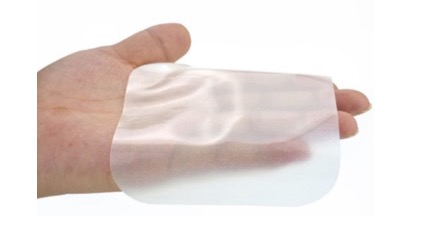
Hydrocolloid dressings are suitable for first-degree burns and minor second-degree burns, maintaining a moist environment to promote healing. Silicone dressings are gentle on new skin and are less likely to cause secondary damage during changes. Foam dressings have a strong ability to absorb exudate and are suitable for second-degree burns with significant exudate. Antibacterial dressings, such as silver-containing dressings, are suitable for wounds at risk of infection. Film dressings can be used to protect healed wounds. In outdoor conditions where resources are limited, clean plastic wrap can be used for temporary protection.
In what situations should you seek immediate medical attention?
Burns covering more than one percent of the body surface area, roughly the size of a palm. Burns occur in children, the elderly, or patients with chronic illnesses. They may affect specific areas such as the face, hands, feet, and perineum. Third-degree burns present, with the skin appearing waxy white or charred black and loss of sensation. Burns may be accompanied by inhalation injuries, such as singed nasal hairs and hoarseness. The wound may show signs of severe infection, such as purulent discharge, foul odor, and enlarging surrounding redness and swelling.
How to prevent infection and promote healing?
Clean the wound daily with saline or clean drinking water. Change dressings regularly, usually once a day, depending on the amount of exudate. Apply antibiotic ointment such as mupirocin to prevent infection. Eat vitamin C and protein-rich foods to promote healing. Avoid pressure or friction on the wound. Protect new skin from direct sunlight. Observe the healing process; under normal circumstances, first-degree burns heal in about 3-6 days, while second-degree burns require 1-3 weeks.
What alternatives are available for outdoor environments?
When specialized medical supplies are unavailable, boiled and cooled water can be used instead of saline solution to clean the wound. A clean handkerchief or towel can replace sterile gauze. Plastic wrap can be used as a temporary dressing to protect the wound. Plastic bags can be made into simple waterproof protective covers. Spring water can be used for initial cooling and rinsing, but treated water should still be used for subsequent cleaning.
For more information on Innomed®Hydrogel Dressing Tubular, Refer to the Previous Articles. If you have customized needs, you are welcome to contact us; You Wholeheartedly. At longterm medical, we transform this data by Innovating and Developing Products that Make Life easier for those who need loving care.
Editor: kiki Jia


