
 English
 عربى
عربى Español
 русский
 中文简体
中文简体






f the wound reopens after suture removal, medically termed incision dehiscence, there are two types. One is a superficial tear between the epidermis and dermis, resulting in a small gap on the wound surface, possibly accompanied by minor bleeding or oozing, while the deeper fascia and muscles remain intact. The other is a full-thickness tear, where the skin, subcutaneous fat, and even the fascia layer separate; in severe cases, abdominal or thoracic cavities may be exposed. The treatment and urgency levels for these two types are completely different. The first thing to do is not to press back the wound or apply ointment, but to first assess the depth and extent of the tear.
Does the wound reopening after the stitches are removed mean it hasn't healed properly?
Suture removal only indicates initial apposition of the incision surface; it does not mean that the deeper tissues have reached sufficient strength. In the early postoperative period, the tensile strength of the incision relies primarily on the adhesion of sutures and fibrin; collagen remodeling requires weeks or even months. Premature suture removal, excessive incision tension, postoperative coughing or straining during bowel movements, lifting heavy objects too early, local infection, hematoma, fat liquefaction, malnutrition, poorly controlled blood sugar in diabetes, and long-term use of glucocorticoids can all cause the incision to dehisce before it has fully healed. The abdominal and joint areas have higher tension and a higher risk of dehiscence. The first one to two weeks after suture removal are the peak window for dehiscence; sudden increases in activity during this period are most likely to cause problems.
How can you tell if it's just a superficial crack or a deep crack?
Superficial lacerations present as thin sutures along the incision line, with separated skin edges but a pink or red base. There are no deep cavities, minimal exudate, and no noticeable fluctuation upon pressure. Deep lacerations reveal subcutaneous yellow fatty tissue, dark red muscle, or white fascia. The laceration is wider and may involve more bleeding and exudate, with pain and a feeling of emptiness upon pressure. Full-thickness abdominal lacerations may be accompanied by sudden, severe pain, with dressings soaked in pale red fluid, and even visible intestines or the greater omentum. If a deep laceration is present, do not attempt to pack or reposition the wound yourself. Cover with sterile gauze and seek immediate medical attention. Even with only a small superficial laceration, without infection or deep exposure, it is recommended to contact your surgeon or wound care specialist for evaluation before attempting self-diagnosis.
What should you do first after it cracks?
Immediately stop activity and keep the wound immobile. Gently cover the tear with sterile gauze or clean cotton cloth. Do not press firmly, and do not apply iodine, alcohol, hydrogen peroxide, powder, or toothpaste. Do not attempt to pinch the torn skin back together or try to pull it closed with tape; improper closure may seal bacteria deeper. If there is slight bleeding, apply gentle pressure with gauze for a few minutes. If bleeding does not stop or there is significant oozing, continue covering and seek medical attention as soon as possible. Elevate the affected area; if the abdomen is torn, lie flat with your knees bent to reduce abdominal wall tension. Contact your surgeon or go to the emergency room, bringing your discharge summary and medication list.
In what situations do you need to go to the hospital immediately?
Full-thickness lacerations, exposure of fat fascia or internal organs, persistent bleeding, rapid widening of the laceration, worsening of surrounding redness, swelling, heat, and pain, purulent exudate, foul odor, fever and chills, abdominal pain and distension, nausea, and vomiting all require emergency treatment. Diabetic patients experiencing a sudden rise in blood sugar, elderly patients experiencing a decline in mental state, and immunosuppressed patients with wound dehiscence without significant pain should also seek medical attention immediately. Deep lacerations may require re-sutures, drainage, anti-infection treatment, or even surgical exploration. Delay can lead to the spread of infection, incisional hernia, and internal organ damage.
Can I handle this myself at home?
Only very superficial epidermal tears, confirmed by a doctor to be deep and intact, can be treated at home under guidance. Rinse with saline solution, cover with a non-adhesive foam dressing or silicone dressing, keep the surrounding skin dry, minimize activity, and have regular follow-up appointments as prescribed. Do not frequently remove the dressing to check, and do not repeatedly irrigate with disinfectant. If there is no improvement after two or three days or the tear enlarges, seek immediate medical attention. Deep tears and infected tears cannot be treated at home.
How to prevent it from cracking again?
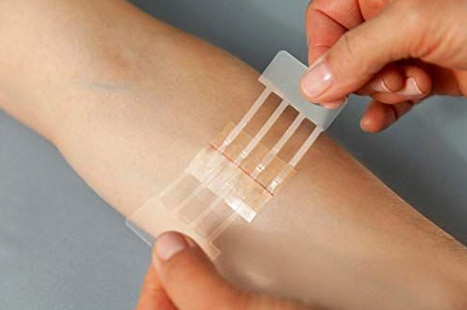
After suture removal, continue to reduce tension, wear an abdominal binder, and avoid significant movement of joints. Press the incision with your palm when coughing or sneezing. Avoid lifting heavy objects, strenuous exercise, and prolonged standing. Maintain regular bowel movements and avoid straining during defecation. Ensure adequate intake of protein, vitamin C, and zinc, and control blood sugar. Attend follow-up appointments on time so your doctor can assess whether the suture removal time is appropriate. Address any redness, swelling, oozing, or increased pain at the incision site as soon as possible; do not wait until it ruptures. Suture rupture is a serious matter; first determine the depth, then decide whether to seek emergency medical attention or have an outpatient evaluation. Any deep rupture or signs of infection should not be observed at home. For more information on Innomed® Wound Skin Closure , refer to the Previous Articles. If you have customized needs, you are welcome to contact us; You Wholeheartedly. At longterm medical, we transform this data by innovating and developing products that make life easier for those who need loving care.
Editor: kiki Jia


