
 English
 عربى
عربى Español
 русский
 中文简体
中文简体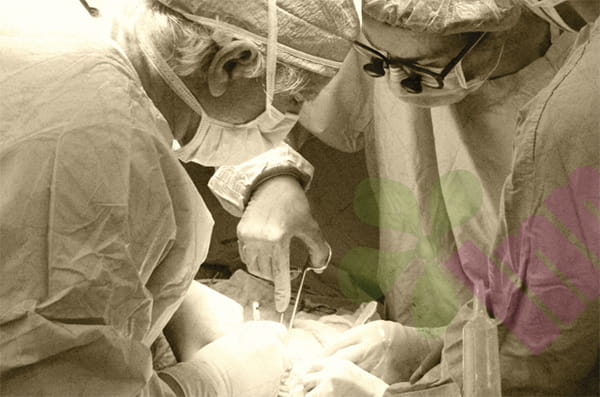






Wound suppuration is essentially an inflammatory response of local tissue to invading bacteria. Pus is a mixture of enzymes released by neutrophils after phagocytizing bacteria and the breakdown products of necrotic tissue. When yellowish-white or yellowish-green fluid is visible to the naked eye oozing from a wound, or seeping out from the sutures when pressed, many people's first reaction is to squeeze it out with their fingers or cotton swabs, hoping that the wound will heal quickly after the pus is drained. This operation is actually quite risky, and cases of infection spreading due to self-squeezing are not uncommon in clinical practice.
Why shouldn't you squeeze a festering wound with your hands?
The surface of the fingers carries far more types and quantities of bacteria than the original flora in the wound. Direct contact can introduce new strains, turning what might have been a single infection into a mixed infection, increasing the difficulty of selecting subsequent antibiotics. The direction of pressure applied by squeezing is difficult to control, and pus may not drain from the wound surface as expected, but may instead spread deeper along the subcutaneous tissue spaces or lymphatic vessels. Squeezing is especially contraindicated in purulent infections of the facial danger triangle, where veins lack valves; squeezing can cause bacteria in the pus to flow back into the cranium, leading to serious complications such as cavernous sinus thrombosis. In cases where a capsular abscess has already formed, simple squeezing cannot break down the septa or remove necrotic tissue. The bacterial biofilm within the abscess cavity is largely unresponsive to squeezing; even after a small amount of fluid drains from the surface, the abscess cavity remains, and inflammation quickly re-accumulates.
What is the standard procedure for wound cleaning and drainage?
When treating a suppurating wound, doctors first disinfect the surrounding normal skin. Then, they choose the incision location based on the depth of the abscess, placing the incision at the lowest or weakest point of the abscess cavity to ensure unobstructed drainage. After incision, the abscess cavity is rinsed with saline solution, and necrotic tissue and foreign bodies are removed from the cavity wall using sterile instruments if necessary. For deep abscess cavities or wounds with long drainage paths, drainage strips or tubes are placed to provide a continuous drainage channel for newly generated exudate, rather than draining it all at once. After debridement, the wound is generally not sutured and remains open, allowing the base to gradually heal and close from the depths through regular dressing changes. The entire process involves technical details such as assessing the extent of the abscess cavity, locating the incision, and placing drainage materials; self-squeezing cannot achieve the required surgical precision.
What symptoms indicate that squeezing has caused adverse consequences and requires immediate medical attention?
If the swelling and redness significantly expand within hours of compression, exceeding the original boundary by more than two centimeters, it indicates that the infection has spread to surrounding normal tissue. Increased wound exudate after compression, changing color from yellow to yellowish-green or bloody, suggests deep tissue damage or new bacterial colonization. Changes in local pain from throbbing to persistent stabbing or radiating pain suggest that the inflammation may have affected the deep fascia or nerve endings. Systemic symptoms, such as a body temperature exceeding 38 degrees Celsius or chills after compression, indicate that bacteria may have entered the bloodstream. Any of these changes indicates that self-treatment has altered the infection process and requires a comprehensive evaluation at a hospital.
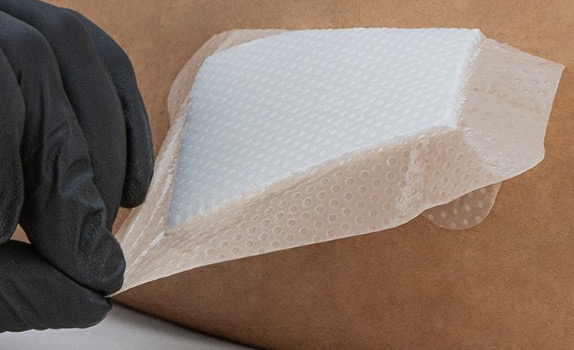
The choice of dressing after debridement directly affects the healing process. Silicone gel foam dressings are a new type of wound covering material, with a silicone gel contact layer and a polyurethane foam backing. The silicone gel layer is characterized by its non-adhesion to the moist wound bed, preventing the tearing off of newly formed granulation tissue and epidermal cells during dressing changes, thus reducing secondary damage and pain associated with dressing changes. The foam layer has a high absorbency, accommodating the continuous exudate after wound debridement and locking the exudate within the foam, preventing it from soaking the healthy skin around the wound. Simultaneously, the foam structure provides a certain degree of cushioning, reducing mechanical irritation to the wound from external friction. For open wounds after suppurative debridement, using silicone gel foam dressings during the stage when infection is controlled and exudate gradually decreases can maintain a moist healing environment, ensuring that epithelial cell migration is not interrupted by frequent dressing changes while maintaining cleanliness. However, it's important to note that these dressings do not have antibacterial properties. In the early stages of wound cleaning, when there is a large amount of pus or clear necrotic tissue, antibacterial gauze or silver-containing dressings should be used first to control infection. Once the exudate becomes serous, consider switching to silicone gel foam dressings. The specific frequency of dressing changes and the timing of dressing transitions should be determined by the physician based on the condition of the wound bed. Patients should not purchase and use dressings on their own, thus skipping regular medical evaluations. For more information on Innomed®Silicone Foam Dressing, refer to the Previous Articles. If you have customized needs, you are welcome to contact us; You Wholeheartedly. At long-term medical, we transform this data by innovating and developing products that make life easier for those who need loving care.
Editor: kiki Jia


