
 English
 عربى
عربى Español
 русский
 中文简体
中文简体






The unusual odor emanating from a wound is often one of the most direct and unbearable painful experiences for patients. This odor is not merely an olfactory irritation, but a concentrated manifestation of a series of complex physiological and psychological problems. Clinically, although pain and exudation are meticulously recorded and managed, this symptom, which severely impacts quality of life and the treatment experience, is often unintentionally overlooked by medical staff and rarely receives systematic evaluation and intervention. This leaves patients to bear immense psychological stress alone.
How exactly does the odor from a wound develop?
Wound odor is not caused by a single factor; it is usually the result of multiple factors working together in the unique environment of a wound. The most important and direct cause is infection by specific bacteria. When a wound contains a large amount of necrotic tissue, anaerobic bacteria (such as Bacteroides and Clostridium) and certain aerobic bacteria (such as Pseudomonas and Proteus) proliferate. In the process of decomposing tissue components such as proteins and fats, these bacteria produce volatile metabolites, such as cadaverine, putrescine, indole, and sulfides, which are the source of the pungent odor. Biofilms commonly found in chronic wounds act like a protective fortress of bacterial communities, continuously releasing odor molecules, making the odor difficult to eliminate. In addition, the liquefaction and decomposition of necrotic tissue itself, as well as the chemical reaction between certain exudates and dressings, can also produce unpleasant odors. The odor itself often indicates that the wound is in a pathological state of infection or stagnation in healing.
Why is it said that the harm caused by odors far exceeds the harm caused by smell?
The destructive power of odor is multifaceted and profound. Physiologically, strong smells can trigger nausea, vomiting, and loss of appetite, leading to insufficient nutrient intake and further weakening the body's repair capabilities. Psychologically, odor is a persistent source of psychological torment. Patients may experience intense shame, low self-esteem, and anxiety, fearing rejection and consequently isolating themselves from society, refusing visits from family and friends, and even avoiding necessary outdoor activities and social interactions, severely impacting their mental health and quality of life. Therapeutically, odor can cause patients to fear and resist dressing changes, reducing treatment adherence. It is also a significant factor affecting the patience of family members and caregivers. This comprehensive impact makes odor management a priority issue in holistic wound care.
How to scientifically assess wound odor?
Simply describing it as "having a smell" is far from sufficient. It's best to describe the odor (is it fishy, putrid, or fecal?), assess its intensity (how far away it can be smelled), and its persistence and variation. Some medical facilities sometimes use simple odor intensity scales, such as from 0 (no odor) to 4 (smellable from outside the room), to quantify the odor. More importantly, the assessment must be closely integrated with the condition of the wound bed. Observe and record the color (yellow, gray, black), texture (sludge, eschar), amount, and distribution of necrotic tissue. Record the amount, color, and texture of exudate. Because odor is almost always associated with necrotic tissue and significant exudate, assessing the odor itself is an important window into assessing wound infection and cleanliness.
What are the core strategies for controlling and eliminating odors?
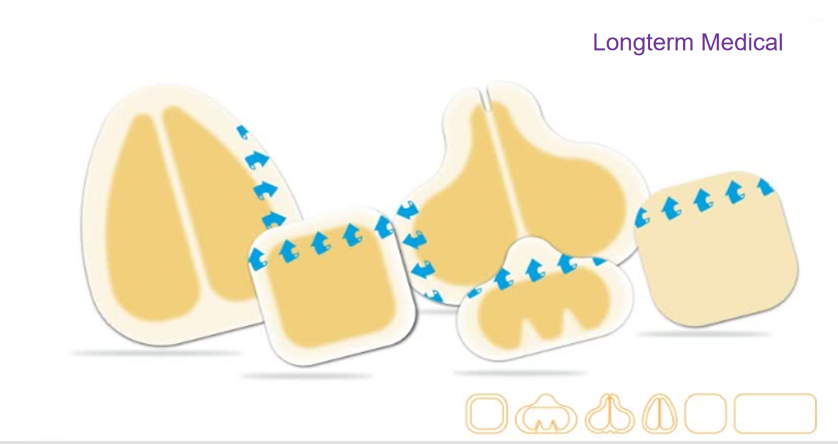
Addressing wound odor cannot be achieved by simply spraying air fresheners or perfumes; this only treats the symptoms, not the root cause, and may even irritate the wound. A comprehensive strategy must be implemented, addressing the underlying cause. The primary and most fundamental measure is thorough wound debridement. Professional medical personnel should safely remove necrotic tissue using methods such as surgical debridement, autolytic debridement, or mechanical debridement. This is a crucial step in eliminating a breeding ground for bacteria and cutting off the source of the odor. Controlling infection is paramount. Depending on the wound condition, systemic antibiotics or topical dressings containing antibacterial ingredients, such as silver-containing dressings, iodine-containing dressings, or medical honey dressings, may be necessary; these effectively reduce bacterial load. Choose appropriate functional wound dressings. For example, dressings containing activated charcoal can effectively absorb and lock in odor molecules; highly absorbent foam dressings or alginate dressings can manage large amounts of exudate, keeping the wound relatively dry and reducing bacterial growth. Ensure adequate drainage. For cavities or deep wounds, appropriate dressings must be used to ensure adequate drainage of exudate, preventing it from accumulating deep within the wound and fermenting to produce an odor. Keep the area clean. Regularly rinse the wound with saline solution or a professional wound cleaning solution, and change soiled dressings promptly.
For more information on Innomed®Silver Ion Dressing Foam, Refer to the Previous Articles. If you have customized needs, you are welcome to contact us; You Wholeheartedly. At longterm medical, we transform this data by Innovating and Developing Products that Make Life easier for those who need loving care.
Editor: kiki Jia


