
 English
 عربى
عربى Español
 русский
 中文简体
中文简体






Why is it important to collect wound swabs?
Collecting wound swab samples is a crucial first step in diagnosing wound infections and guiding antibiotic use. A properly collected sample, through microbial culture and drug sensitivity testing, accurately reflects the main pathogens within the wound, helping doctors develop precise and effective anti-infection treatment plans. Conversely, improper collection methods can easily lead to contamination by resident bacteria on the wound surface or surrounding skin, resulting in a laboratory report showing multiple bacteria, making it difficult to identify the true culprit and potentially misleading treatment. Therefore, mastering correct collection techniques is just as important as the subsequent laboratory analysis itself; it serves as a bridge connecting clinical practice and laboratory testing, ensuring the reliability of results.
What preparations need to be made before data collection?
First, prepare the environment and materials. Ensure the operating environment is clean and well-lit. Prepare sterile swab tubes (containing preservation solution), sterile cotton swabs, sterile gloves, masks, and caps. If necessary, prepare sterile saline solution and sterile gauze. Second, prepare the wound. This is a crucial yet often overlooked step. Do not use any disinfectants (such as iodine, alcohol) or antibiotic ointments to clean the wound before collection, as these chemicals can kill or inhibit bacteria, leading to false negative cultures. The correct procedure is to gently scrub or rinse the wound surface with sterile saline solution and sterile gauze to remove loose necrotic tissue fragments, residual medication, and excess exudate. This step aims to remove surface contaminants and colonizing bacteria, exposing any potentially deep-seated infections, but avoid excessive scrubbing that could cause bleeding.
What are the specific steps for standardized data collection?
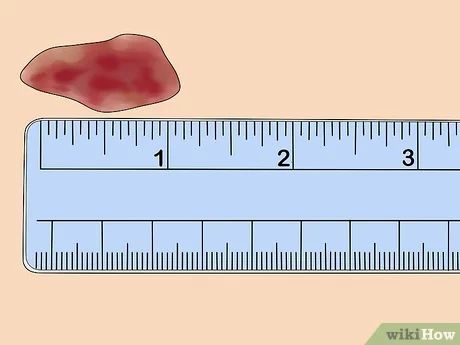
Once the wound is properly prepared, the core sampling procedure can begin. Strict aseptic technique must be followed throughout the process. The operator must wear a mask, cap, and sterile gloves. When removing the sterile swab from the packaging, hands should only touch the end of the swab handle, avoiding the sampling tip with cotton fibers. Slightly moisten the swab tip with sterile saline (this step can be omitted if the preservative solution in the swab tube is sufficiently moist), which helps adsorb microorganisms. Next comes the crucial sampling: firmly press and rotate the swab tip, applying it to the most representative infected area of the wound (e.g., the area with the most pus, the most obvious inflammation, deep necrotic tissue, or the base of a sinus tract). To ensure a sufficient amount of bacteria is collected, use the swab tip to repeatedly apply the sample at least five times in a zigzag or rotating motion over an area of approximately 1 square centimeter, ensuring the swab tip fully contacts the wound tissue fluid. If the wound is deep or contains sinuses, the swab should be inserted as deeply as possible for sampling, but care must be taken to avoid patient discomfort or tissue damage.
How to properly process and submit samples after collection?
After sample collection, the processing method directly affects the accuracy of subsequent testing. Immediately place the swab head into a sterile test tube containing a dedicated transport medium. Break or rotate the swab handle to disconnect it, ensuring the end with the cotton fibers is completely immersed in the preservation solution, then tighten the cap. Clearly and accurately label the test tube with patient information, sampling site, sampling date and time, and preliminary clinical diagnosis. Complete the full test request form. Most importantly, send the sample for testing as soon as possible. Samples should arrive at the laboratory within 2 hours of collection. If there is a delay, the specimen should be stored at room temperature (usually 15-25 degrees Celsius). Do not refrigerate or freeze, as improper temperatures can kill some temperature-sensitive bacteria (such as Haemophilus influenzae). Delayed delivery will reduce bacterial activity and affect the positive culture rate.
For more information on Innomed®Silver Ion Dressing Foam, Refer to the Previous Articles. If you have customized needs, you are welcome to contact us; You Wholeheartedly. At longterm medical, we transform this data by Innovating and Developing Products that Make Life easier for those who need loving care.
Editor: kiki Jia


