
 English
 عربى
عربى Español
 русский
 中文简体
中文简体






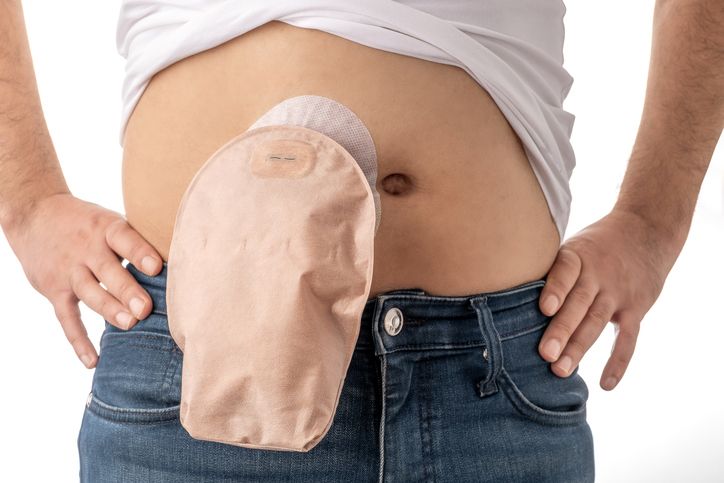
Stoma prolapse is a complication that can occur after stoma surgery, referring to an excessive folding or eversion of a segment of intestinal mucosa or the entire intestinal wall through the stoma, significantly exceeding the normal length. This condition is relatively common in ileostomies and transverse colostomies. The prolapsed intestine appears as a thickened, elongated "bowel," and its color is usually a healthy pink or red, but may be accompanied by edema. Stoma prolapse not only affects appearance but can also cause functional problems and emergencies, requiring proper identification and timely management by patients and caregivers.
The risks of enterostomy prolapse?
Identifying stoma prolapse requires observing changes in the stoma's shape and length. Normally, an ileostomy protrudes about 1-2 cm from the abdominal skin, and a colostomy about 0.5-1 cm. When prolapse occurs, an extra segment of intestine will be observed protruding from the stoma, sometimes several centimeters or even tens of centimeters in length. This prolapsed segment may retract somewhat when the patient is lying down, but it becomes more noticeable when standing, coughing, or when abdominal pressure increases. The prolapse itself may not be painful, but it often causes significant abdominal distension, discomfort, and a feeling of a foreign body in the abdomen.
First, it affects excretory function. The prolapsed intestine may make it difficult for the stoma bag to fit properly, causing leakage or hindering the discharge of excrement. Second, it poses a risk of tissue damage. The prolapsed intestinal mucosa is exposed to friction for a long time, which can easily lead to edema, erosion, bleeding, and even ischemic necrosis. The most serious situation is incarceration or strangulation, where the prolapsed intestine gets stuck at the stoma root and cannot be reduced, resulting in obstruction of blood supply. If the prolapsed intestine turns dark purple or black, accompanied by severe pain and cessation of gas and defecation, it is an emergency sign of strangulated intestinal obstruction, requiring immediate medical attention.
What emergency and routine care should be taken when prolapse is discovered?
Once stoma prolapse is detected, it is crucial to remain calm. First, try to have the patient lie flat and relax their abdomen; some mild, early-stage prolapses may retract spontaneously. Do not panic, and never attempt to forcefully push the bowel back into the abdominal cavity, as improper handling may cause injury or incarceration.
The correct emergency procedure is manual reduction. The operator should wash their hands thoroughly, and the patient should lie supine with knees bent. Soak a clean gauze or cotton pad in warm saline solution and cover the prolapsed bowel to provide lubrication and moisture protection. Then, very gently, slowly, and continuously push the prolapsed bowel back into the stoma with your fingertips. This process requires great patience and may take several minutes. Once successfully reduced, the stoma will return to near-normal size and shape. If reduction is difficult, or if the prolapsed bowel shows abnormal color or texture, stop immediately and contact a stoma therapist or go to the hospital emergency room.
For daily prevention of prolapse, choose a soft, appropriately sized stoma baseplate with a convex surface. The convex structure applies gentle pressure around the stoma, helping to push the prolapsed bowel inward and providing a better seal. A dedicated stoma abdominal binder can be used to provide gentle and even support to the abdomen , reducing prolapse caused by increased abdominal pressure from activity, coughing, etc. Avoid lifting heavy objects, straining during bowel movements, and chronic coughing, as these activities increase abdominal pressure.
How to prevent stoma prolapse from the root cause?
Preventing stoma prolapse and its recurrence requires systematic management, encompassing surgery, nursing care, and lifestyle. Optimizing surgical techniques is fundamental; surgeons will stabilize the bowel as much as possible during surgery, choose an appropriate location, and avoid an excessively large stoma opening. In the early postoperative period, medical staff will instruct patients on the proper use of an abdominal binder and educate them on avoiding activities that increase abdominal pressure.
In what situations should you seek immediate medical help?
While many mild, chronic stoma prolapses can be managed with care, home treatment must be stopped immediately and medical attention sought as soon as possible if the following warning signs appear: Attempts at manual reduction fail; the prolapsed bowel cannot be reduced. The color of the prolapsed bowel changes, becoming dark red, purple, or even black. Ulcers, ruptures, or increased bleeding appear on the surface of the prolapsed bowel. The patient experiences severe abdominal pain and distension, sometimes accompanied by nausea and vomiting. The stoma stops passing gas and stool, a sign of intestinal obstruction. The patient develops systemic infection symptoms such as fever and chills. These signs may indicate incarceration, strangulation, intestinal necrosis, or severe infection, constituting a surgical emergency requiring immediate medical evaluation. Reduction under anesthesia may be necessary, and a second surgery for stoma reconstruction or repair may be required.
For more information on Innomed® Ostomy Belt, Refer to the Previous Articles. If you have customized needs, you are welcome to contact us; You Wholeheartedly. At longterm medical, we transform this data by Innovating and Developing Products that Make Life easier for those who need loving care.
Editor: kiki Jia


