
 English
 عربى
عربى Español
 русский
 中文简体
中文简体



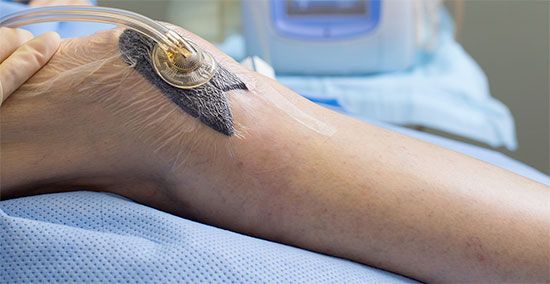
VSD (Vacuum Sealing Drainage) is a novel treatment method that uses medical foam dressings to cover or fill wounds, then seals them with a biological semi-permeable membrane and connects to a controllable negative pressure source to promote wound healing.
How does VSD technology work?
The mechanism of action of VSD (Vacuum-Assisted Surgery) technology involves a multifaceted combined effect . At its core, a piece of biocompatible medical foam material is trimmed, inserted, and completely fills the wound cavity. The entire wound area, along with the foam, is then tightly sealed with a semi-permeable membrane. Subsequently, a drainage tube is connected to a device that generates and maintains a constant negative pressure. This system produces several key therapeutic effects. The most direct is continuous mechanical drainage; the negative pressure actively and continuously draws out exudate, necrotic tissue fragments, and bacteria from the wound, keeping the wound clean and reducing the chance of bacterial growth and toxin absorption. Secondly, uniform mechanical traction promotes the convergence and narrowing of the wound edges, reduces tissue edema, increases local blood flow, and provides more oxygen and nutrients for tissue growth. Simultaneously, the sealed environment effectively isolates external bacteria, forming a physical barrier. These factors work together to significantly control infection, reduce edema, and promote rapid and healthy granulation tissue growth.
Which types of wounds are suitable for VSD technology?
VSD (Vacuum-Assisted Surgery) technology is primarily suitable for complex wounds where traditional dressing methods are ineffective, healing is slow, or carries a high risk. Typical indications include: acute soft tissue defects or avulsions from various causes, such as trauma and traffic accident injuries, where it creates favorable recipient conditions for subsequent skin grafts or flap surgeries; various chronic, non-healing ulcers, such as diabetic foot ulcers, deep pressure ulcers, and venous ulcers, where it promotes granulation tissue growth to facilitate healing or surgery; and incisions with significant dead space or hematoma risk after various surgeries, such as orthopedic or abdominal surgeries, where VSD ensures adequate drainage and prevents infection from fluid accumulation. Furthermore, VSD can also be effective for superficial second-degree to deep second-degree burns, and for fixation and drainage after certain skin grafts or flap transplants. Of course, its suitability must be rigorously assessed by an experienced physician based on the specific wound condition.
How should patients cooperate and be monitored during VSD treatment?
VSD treatment typically lasts from several days to several weeks, and good patient cooperation and observation are crucial for its success. The primary principle is to protect the integrity and airtightness of the device. Patients and their families should avoid pulling, compressing, or bending the drainage tube, and avoid sharp objects puncturing the sealing membrane. Movement should be limited to areas permitted by the doctor, avoiding excessive activity that could cause the membrane edges to curl and leak air. The negative pressure drainage device (usually a portable negative pressure bottle or electric pump) should be kept below the wound level to prevent backflow. Secondly, it's essential to learn how to observe the system's operation. Effective negative pressure will cause the foam material to collapse noticeably, adhering tightly to the wound base, with no significant fluid fluctuations under the membrane. Regularly observe the flow of fluid within the drainage tube, noting its color and volume. If the foam becomes fluffy again, fluid accumulates under the membrane, the drainage tube stops draining, or the entire system emits a continuous leak alarm, it indicates a possible leak or blockage, requiring immediate contact with healthcare professionals. Simultaneously, observe the skin around the wound for any new redness, swelling, blisters, or other adverse reactions.
What precautions should be taken after treatment?
Once treatment goals are achieved (such as fresh, healthy granulation tissue, wound shrinkage, and infection control), the doctor will schedule the removal of the VSD device. Removal is usually painless. Afterward, the wound will proceed to the next stage of treatment or care. If the wound has shrunk and flattened, a simple secondary suture may be performed to directly close the wound. If the wound is large but the granulation tissue is fresh, skin grafting or flap transfer may be scheduled to cover the wound. For some chronic ulcers, routine advanced dressing changes may be used to continue promoting healing. Regardless of the subsequent approach, wound care after VSD removal remains crucial, requiring continued protection of newly formed tissue, prevention of infection, and strict adherence to the doctor's instructions for subsequent treatment.
For more information on Innomed®Negative Pressure Dressing , Refer to the Previous Articles. If you have customized needs, you are welcome to contact us; You Wholeheartedly. At longterm medical, we transform this data by Innovating and Developing Products that Make Life easier for those who need loving care.
Editor: kiki Jia


