
 English
 عربى
عربى Español
 русский
 中文简体
中文简体





Skin damage caused by the adhesive force of glue. This condition is relatively common in both clinical and home care, especially in populations with unique skin structures such as children and the elderly. Their epidermis and dermis are not as tightly connected as in adults, making them more susceptible to epidermal peeling when pulled. Elderly skin becomes thinner, drier, and less elastic due to aging, with a decreased skin barrier function and reduced collagen and elastin fibers, significantly reducing the skin's tolerance to external forces.
Why does incorrect removal cause skin damage?
Incorrect removal methods, especially rapid, vertical tearing, are a direct cause of skin damage. The adhesive is tightly bonded to the stratum corneum of the skin through physical action. When the dressing is quickly ripped off, two main destructive forces are generated: a shear force, where the adhesive slides relative to the skin surface, directly abrading the keratinocytes of the epidermis; and a vertical traction force, which attempts to forcibly separate the epidermis from the basal layer. These forces often have more severe consequences on the delicate skin of children and the fragile skin of the elderly than on healthy adult skin.
What preparations should be made before removing the dressing?
Adequate preparation is fundamental to successful removal and preventing injury. The operator should first thoroughly wash their hands. Then, assess the dressing application site, paying particular attention to skin folds in infants and young children, or areas of thin skin in the elderly (such as the back of the hand and inner forearm). It is recommended to have auxiliary items ready, preferably a medical adhesive remover, which effectively dissolves adhesive and is gentle on the skin. If unavailable, the edges of the dressing can be moistened with warm saline gauze. For children, consider using hypoallergenic adhesive removal wipes designed for children. Also, prepare clean cotton swabs, gauze, and small items to soothe the child. Briefly explain the procedure to the patient or family to gain their cooperation; this is especially important for children and conscious elderly individuals to prevent accidental tearing due to sudden movements.
Step-by-step explanation of the correct removal method:
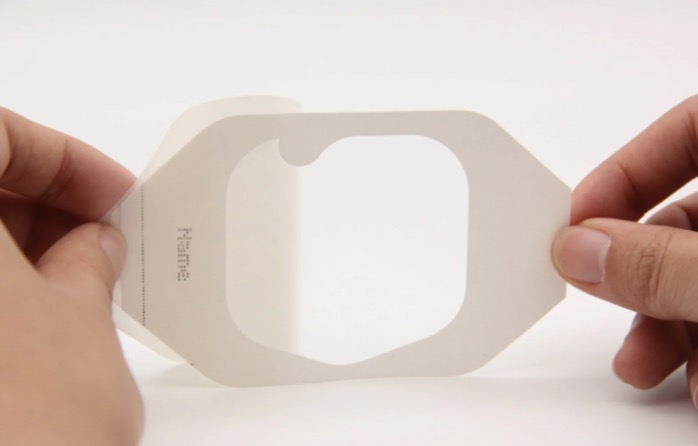
The correct removal technique is not a single-angle pull, but a continuous, precise operation using two angles. The operator uses one hand to apply a counter-stressing, stable tension to the skin on the opposite side of the dressing to stabilize the skin and reduce movement during removal. With the thumb and forefinger of the other hand, pinch a corner or edge of the dressing, completely parallel to the skin surface (0-degree angle), and very slowly peel off a small section (about 1-2 cm) of the dressing edge. The key to this action is "parallel" and "slow," aiming to separate the adhesive from the skin gradually with minimal vertical tension, rather than resisting it. The second step is a 180-degree removal. Once the edge is successfully loosened, pinch the peeled portion and fold it back towards yourself, so that the peeled dressing is close to its own back, at which point the angle between the dressing and the skin is close to 180 degrees. Continue to remove the entire dressing smoothly and steadily along this folded direction. Throughout the process, the other hand should always be positioned in front of the removal direction to maintain tension on the skin and provide resistance. This technique maximizes the conversion of vertical traction force into a gentler separation force parallel to the skin.
How to choose dressings to prevent injury?
Prevention is better than cure. When choosing dressings, hypoallergenic, gentle adhesive products should be considered for children and the elderly. For situations requiring frequent dressing changes or where the skin is already damaged, wound dressings or tapes with a silicone gel contact layer can be used. The advantage of silicone gel dressings is that their contact layer has non-stick properties, greatly reducing adhesion to newly formed epithelial tissue. They produce almost no pulling pain during removal and also protect the surrounding healthy skin, making them one of the ideal choices for preventing medical adhesive-related skin injuries.
For more information on Innomed®Medical Silicone Tape, Refer to the Previous Articles. If you have customized needs, you are welcome to contact us; You Wholeheartedly. At longterm medical, we transform this data by Innovating and Developing Products that Make Life easier for those who need loving care.
Editor: kiki Jia


