
 English
 عربى
عربى Español
 русский
 中文简体
中文简体






How can I relieve itching under a dressing on a wound ?
Itching is a common phenomenon during wound healing, but persistent itching not only causes discomfort but can also prompt scratching, which can damage new tissue, introduce infection, or worsen scarring. Understanding the causes of itching and taking targeted measures can effectively alleviate this problem.
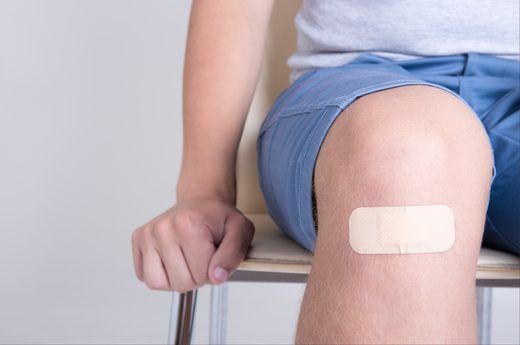
Why does the wound under the dressing itch?
Itching primarily occurs during the proliferative and remodeling phases of wound healing. At this time, nerve endings are regenerating and are abnormally sensitive to stimuli. The synthesis and remodeling of new collagen releases inflammatory mediators such as histamine, directly triggering itching. A dry wound bed or adhered dressings can cause mechanical irritation during changes. Certain dressing adhesives or materials may cause contact dermatitis. The warm and moist environment of the wound site can also be a contributing factor. Furthermore, psychological anxiety and excessive focus can amplify the sensation of itching.
How to choose the right functional wound dressing ?
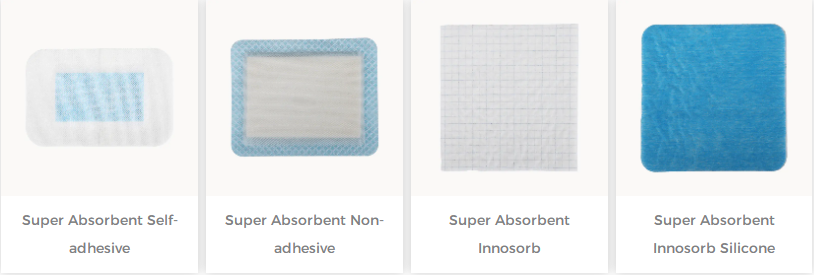
Dressing selection is the first line of defense against itching. Hydrocolloid dressings maintain a constant moist environment in the wound, preventing dryness, crusting, and irritation of nerve endings; their occlusive nature reduces contact with external allergens. Foam dressings are soft and form a gel after absorbing exudate, preventing adhesion to newly formed epithelium and reducing pain and itching during dressing changes. Dressings with silicone contact layers greatly reduce adhesion to granulation tissue. For patients known to be allergic, hypoallergenic adhesive dressings or dressings without adhesive edges can be used in conjunction with bandages for fixation. Avoid using dry gauze to directly cover the wound, as it easily adheres to the wound surface.
How to use self-adhesive elastic bandages correctly ?
Self-adhesive elastic bandages not only secure dressings but also provide physical relief from itching. The even, gentle pressure applied to the surrounding skin can interfere with the transmission of itch signals, producing a "press-to-relieve" effect. When bandaging, apply moderate pressure from the distal end to the proximal end, ensuring that blood circulation is not impaired. The breathability of the bandage is crucial; choose a mesh or breathable material to avoid excessive heat and moisture buildup, as a hot and humid environment can exacerbate itching. For limb wounds, using a figure-eight bandage provides more stable fixation and reduces micro-friction between the dressing and the wound.
Daily care and behavioral intervention
Keep the skin around the wound clean and moisturized. Use a gentle cleanser, and after washing, apply a fragrance-free moisturizer to maintain the skin barrier and reduce itching caused by dryness. Cold compresses are an effective way to relieve acute itching. Apply an ice pack wrapped in a towel to the outside of the dressing for 5-10 minutes to constrict blood vessels and reduce nerve sensitivity. Distract yourself from the itching by listening to music or reading. Oral antihistamines may be taken for a short period under the guidance of a doctor. Avoid foods that may worsen inflammation and itching, such as spicy foods and excessive alcohol.
Abnormal situations that need to be guarded against
While mild itching is a sign of healing, certain situations warrant attention and medical attention: itching accompanied by allergic reactions such as rashes or blisters; intense, unbearable itching affecting sleep and daily life; increased redness and swelling, increased oozing, odor, or pain in the wound indicating infection; persistent itching and stunted wound healing. These may indicate dressing allergies, infection, or other complications.
By scientifically selecting functional dressings, using self-adhesive elastic bandages appropriately, and combining them with proper daily care, itching during the healing process can be significantly relieved. The key is to create a moist, stable, and low-irritation local healing environment and break the vicious cycle of itching and scratching. If self-treatment is ineffective, consult a healthcare professional promptly to rule out other potential causes. For more information on Innomed® Silicon Foam Dressing Bordered, refer to the Previous Articles. If you have customized needs, you are welcome to contact us; You Wholeheartedly. At long-term medical, we transform this data by Innovating and Developing Products that Make Life easier for those who need loving care.
Editor: kiki Jia


