
 English
 عربى
عربى Español
 русский
 中文简体
中文简体






Wounds come in a wide variety of types, including minor abrasions, postoperative incisions, diabetic foot ulcers, and pressure sores. The amount of exudate, risk of infection, and healing time vary depending on the wound. Traditional general-purpose dressings like gauze and adhesive bandages are insufficient to meet the personalized care needs of various wounds, often leading to slow healing and frequent infections. As a core product for targeted care, how can functional wound dressings be precisely adapted to different wound types to provide customized care solutions?
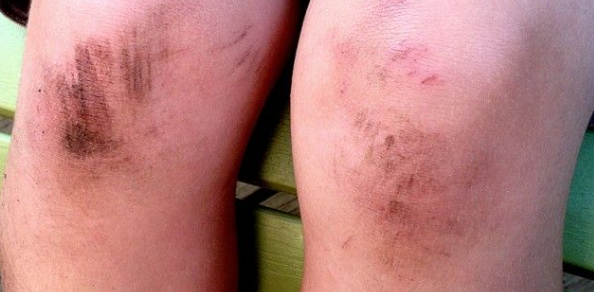
Superficial minor wounds :
For superficial, minor wounds such as everyday abrasions and scratches, which are shallow with minimal exudate, the primary need is to protect the wound surface, prevent bacterial invasion, and reduce external friction. Hydrocolloid dressings and film dressings are ideal choices for these types of wounds. Hydrocolloid dressings absorb a small amount of exudate, creating a gentle, moist healing environment, preventing secondary damage caused by dryness and scab formation. They also adhere firmly, are breathable, and do not interfere with daily activities. Film dressings, on the other hand, are thin and transparent, allowing clear observation of wound healing while effectively blocking dust and bacteria. They are suitable for superficial wounds with intact skin and minimal exudate. Frequent changes are unnecessary; generally, changing them every 3-5 days is sufficient, reducing the inconvenience of dressing changes and providing a stable environment for wound healing.
Wounds with significant exudation :
Postoperative incisions, moderate to severe pressure ulcers, and burn wounds often have significant exudate. If this exudate is not promptly removed, the wound will become damp and hot, fostering bacterial growth and infection, and hindering granulation tissue growth. For these high-exudate wounds, absorbent foam dressings and alginate dressings play a crucial role. Foam dressings are made of high-molecular-weight materials with a three-dimensional mesh structure that allows them to absorb 10-20 times their own weight, quickly locking in large amounts of exudate and keeping the wound surface dry and clean. Simultaneously, their soft and elastic properties conform to the body's curves, reducing pulling during movement and preventing sticking to the wound during dressing changes, thus alleviating pain. Alginate dressings transform into a gel upon contact with exudate, not only efficiently absorbing it but also filling wound depressions and providing support for granulation tissue growth, making them particularly suitable for wounds with large exudates and cavities. The dressing change frequency for these types of dressings can be adjusted according to the exudate level, generally changing them every 1-2 days to prevent overflow and maintain the effectiveness of care.
Infection risk wounds :
Diabetic foot ulcers, chronic wounds that fail to heal for a long time, and heavily contaminated external wounds have a high risk of infection. Once infection occurs, it can lead to wound deterioration, prolonged healing time, and even more serious complications. For these types of wounds, silver ion antibacterial dressings and iodine-containing functional dressings can provide precise protection. Silver ions have a broad-spectrum bactericidal effect, rapidly killing bacteria on the wound surface, inhibiting bacterial growth, and disrupting the bacterial environment, reducing the possibility of infection recurrence. Iodine-containing dressings slowly release iodine, exerting a sustained antibacterial effect, and are less irritating to human tissue, making them suitable for wounds in the early stages of infection or at a high risk of infection. When using these dressings, it is necessary to clean and disinfect the wound to ensure full contact between the dressing and the wound surface. For infected wounds, the frequency of dressing changes can be increased according to the severity of the infection until the infection symptoms are controlled.
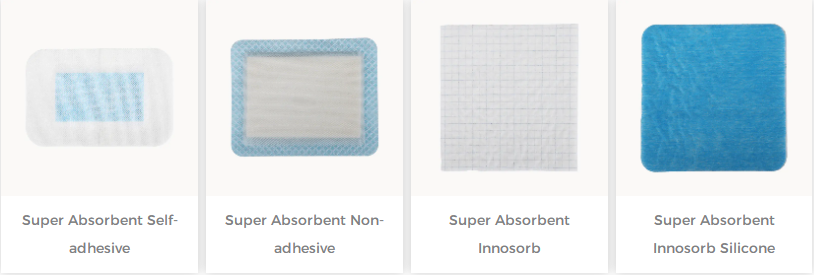
The care needs of different wounds vary greatly. Functional wound dressings, through their specialized functions and precise fit, provide scientific and effective care solutions for various wound types. Whether it's basic protection for superficial, minor wounds or targeted treatment of wounds with high exudation and high risk of infection, functional wound dressings can overcome the shortcomings of traditional dressings with their unique advantages. In actual care, simply selecting the right dressing based on factors such as wound type, exudation level, and infection risk can maximize its nursing effect and help wounds heal faster and safer. For more information on Innomed® Silicone Contact Layer , refer to the Previous Articles. If you have customized needs, you are welcome to contact us; You Wholeheartedly. At long-term medical, we transform this data by Innovating and Developing Products that Make Life easier for those who need loving care.
Editor: kiki Jia


